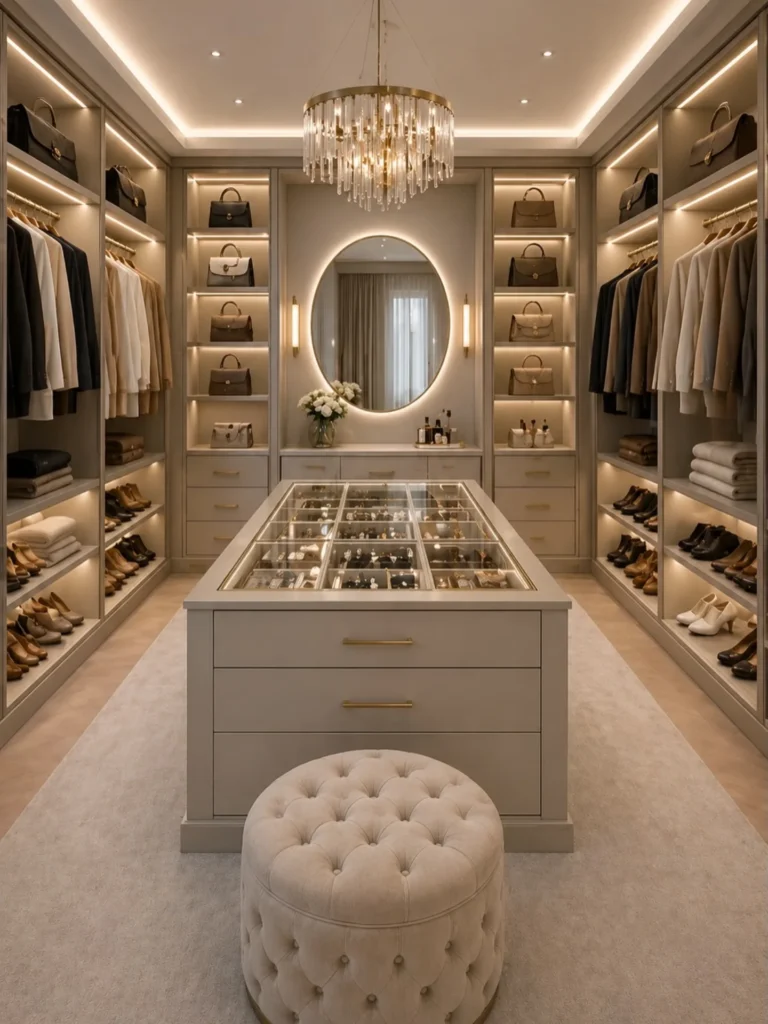
13 Smart Small Walk-In Closet Ideas That Make Every Inch Work
A small walk-in closet can feel like a luxury until clothes, shoes, and bags start competing for the same narrow strip of floor. The good news is that you do not need a costly remodel to make the space easier to use.
The best Small WalkCloset Ideas focus on movement, visibility, and simple storage habits. With a thoughtful layout and a few targeted upgrades, even a compact closet can feel calmer, brighter, and much more useful.
Here are 13 practical ways to create a closet that supports your daily routine instead of slowing it down.
1. Protect a Clear Walking Path
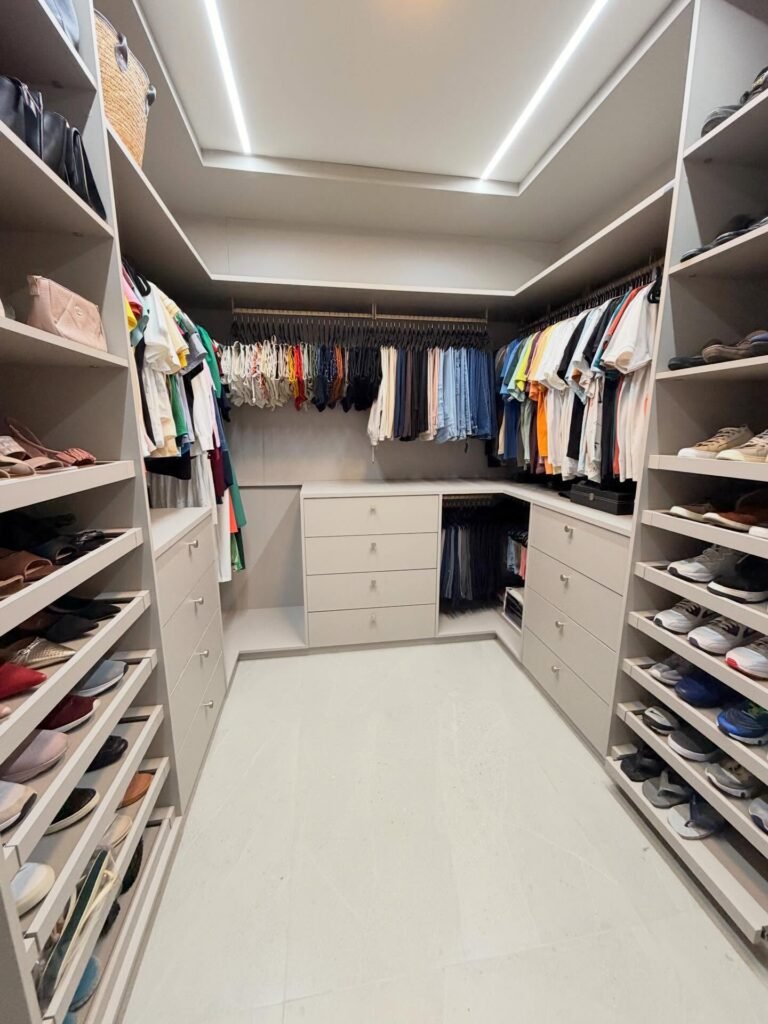
Start by treating the walkway as valuable space, not leftover space. Remove anything that forces you to step sideways, reach over piles, or move a basket before opening a drawer. A clear path makes the closet feel larger and helps you see where storage is working poorly.
Measure the narrowest part of the aisle before adding any furniture. Shallow units are usually more useful than deep pieces that hold more but make the room awkward. For more layout inspiration, browse these small walk-in closet organizing ideas.
Quick tip: Use painter’s tape to mark the depth of any planned shelving, drawers, or cabinets on the floor. Walk through the closet several times before buying anything to make sure the new storage will not make the aisle feel cramped.
RELATED: 20 Bedroom Decor Ideas for a Cozy Stylish Room
2. Arrange Clothes in Dressing Order
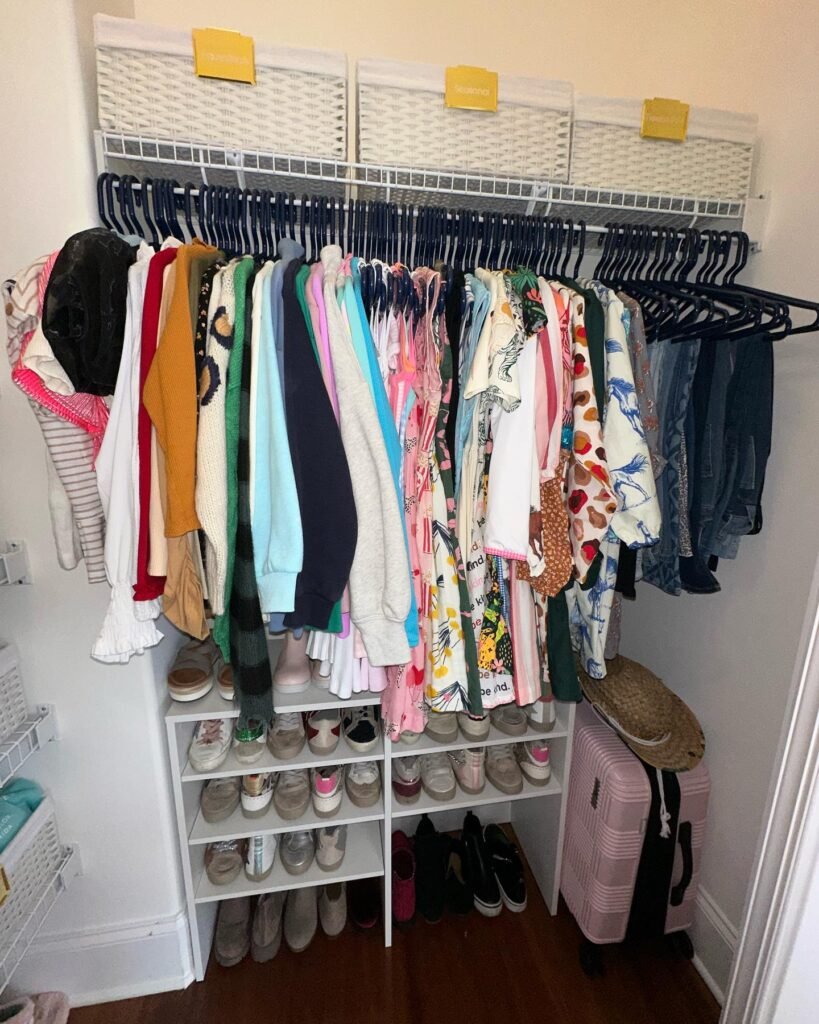
Organize the closet around the order in which you get dressed. Keep everyday tops, bottoms, undergarments, and shoes within the easiest reach. Formal clothes, special accessories, and rarely worn pieces can sit farther back or higher up.
This approach saves time because the closet follows a predictable sequence. It also reveals which categories are taking more room than they deserve. When every section has a purpose, you are less likely to drop clothing on a chair, shelf, or floor because putting it away feels inconvenient.
Practical note: Place the clothes you wear first at the beginning of the rail, followed by bottoms, layering pieces, and accessories. Keeping items in dressing order can make busy mornings faster and prevent frequently worn pieces from getting lost.
3. Replace Bulky Hangers With Slim Ones
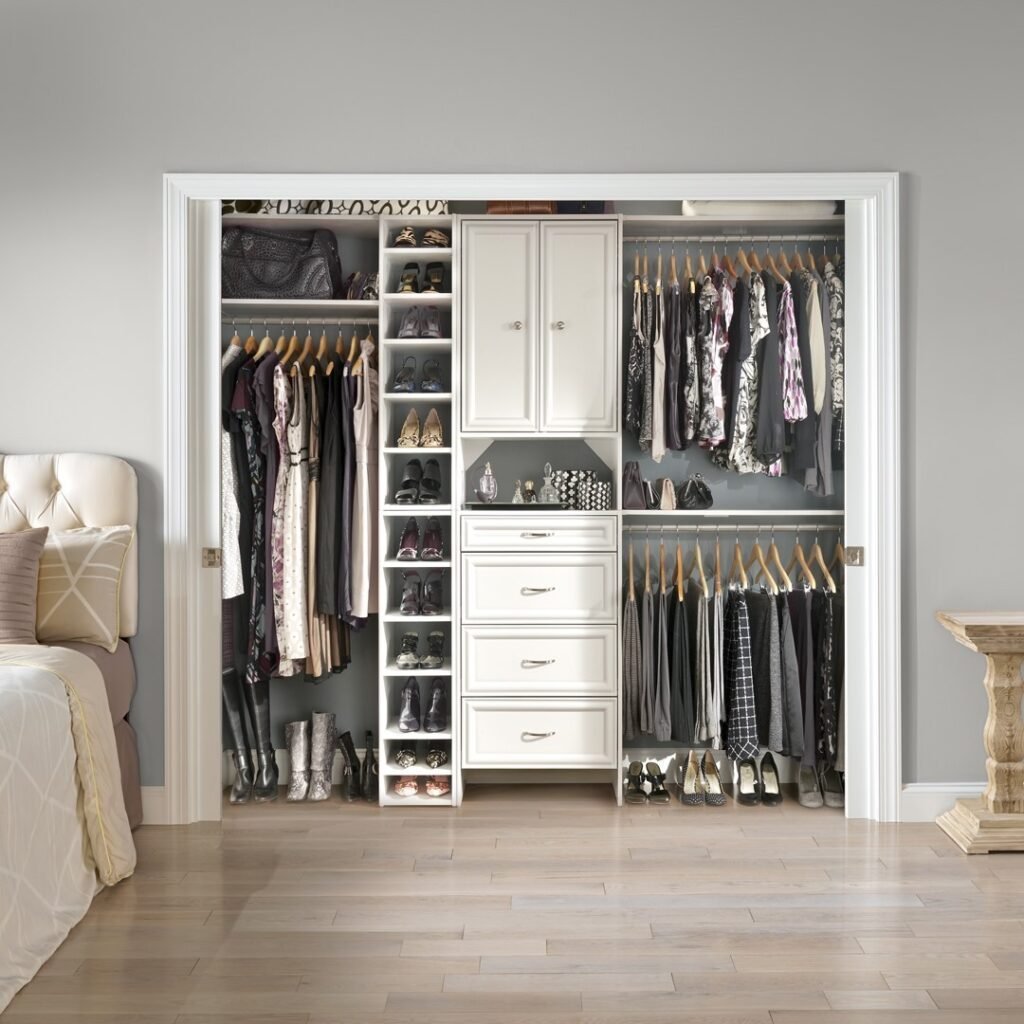
Mixed hangers create uneven spacing and make a small rail look more crowded than it is. Slim hangers reduce visual clutter and allow clothing to sit at a consistent height. Choose one style with enough grip to prevent shirts and dresses from sliding off.
Do not squeeze in every possible hanger. Leave a little breathing room so garments can move along the rail without wrinkling. This small change works especially well with other clever closet organization hacks that improve access rather than simply adding more containers.
Quick tip: Replace hangers one category at a time instead of changing the entire closet at once. Start with shirts and dresses, since these sections usually gain the most noticeable space from slim, matching hangers.
4. Add a Pull-Out Valet Rod
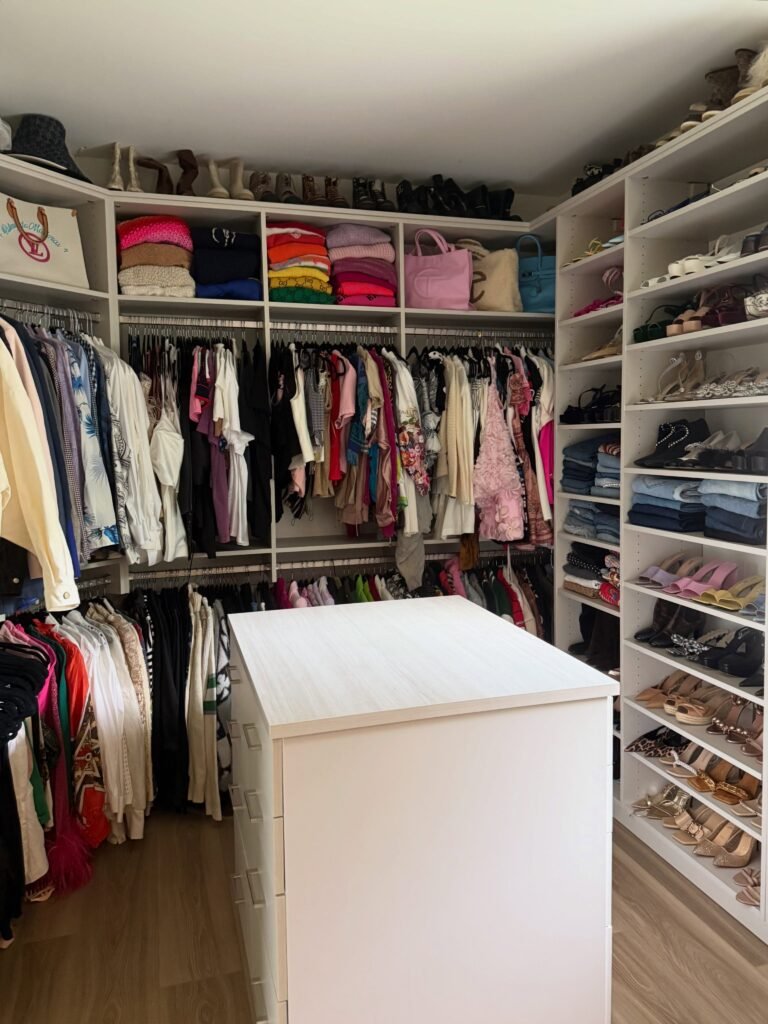
A pull-out valet rod creates a temporary landing place without using permanent floor space. Install one on the side of a cabinet or beneath a shelf, then use it for tomorrow’s outfit, freshly steamed clothes, or pieces you are comparing.
This feature is especially helpful in a narrow closet where a chair or bench would block movement. When it is not needed, the rod slides out of sight. It also keeps outfit planning from spreading across the bed, door handle, and nearby furniture.
Practical note: Use the valet rod for one purpose at a time, such as planning tomorrow’s outfit or holding freshly steamed clothing. Clearing it after use prevents it from becoming another permanent rail filled with miscellaneous garments.
5. Build a Narrow Drawer Tower
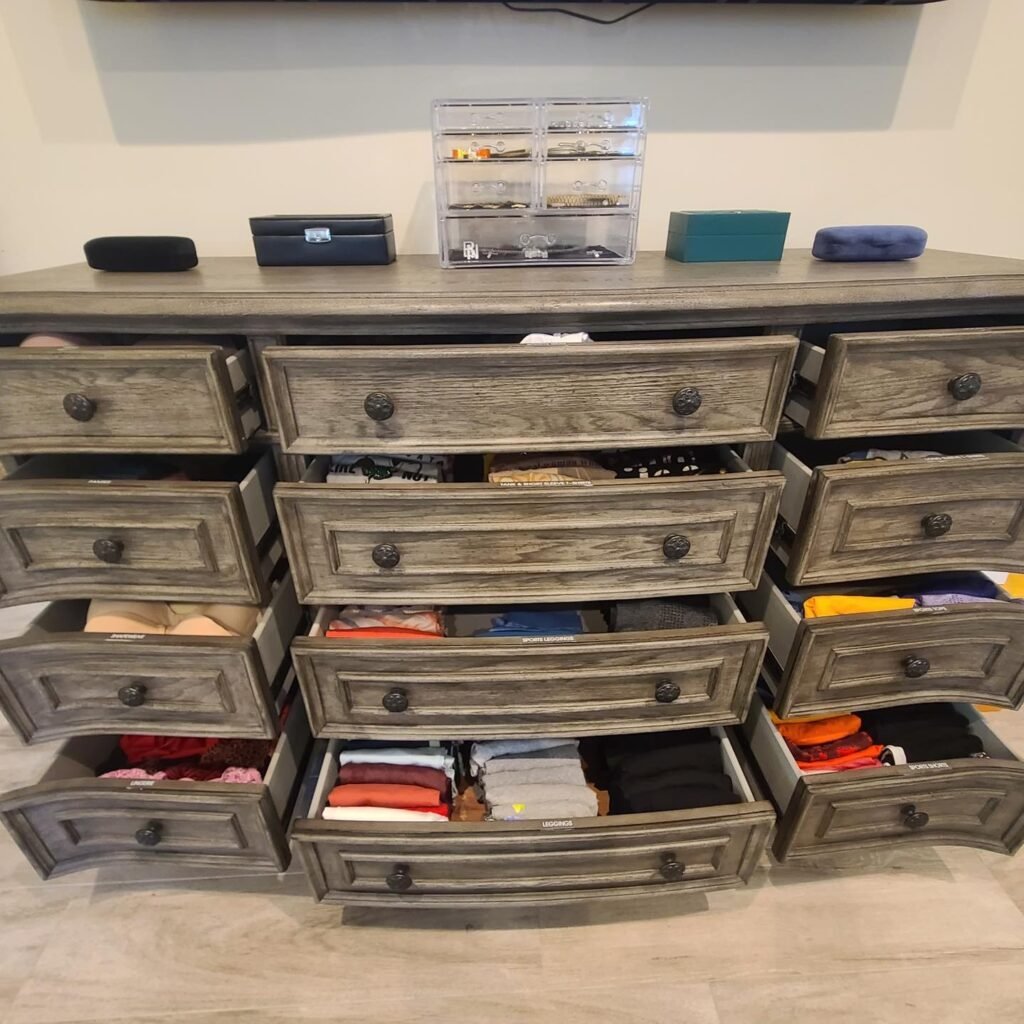
A tall, narrow drawer tower can hold folded basics while using less wall width than a standard dresser. Give each drawer a single job, such as socks, sleepwear, workout clothes, or small accessories. Shallow drawers often work better because items cannot disappear underneath deep stacks.
Place the most-used drawers between waist and shoulder height. Reserve the lowest drawers for heavier or less frequently used pieces. The tower should simplify the room, so avoid filling it with tiny compartments that are difficult to maintain.
Quick tip: Use temporary drawer dividers before purchasing permanent organizers. Test the arrangement for a week, then adjust each section according to the amount of space your socks, accessories, workout clothes, and other folded items actually require.
6. Stop Folded Stacks From Spreading
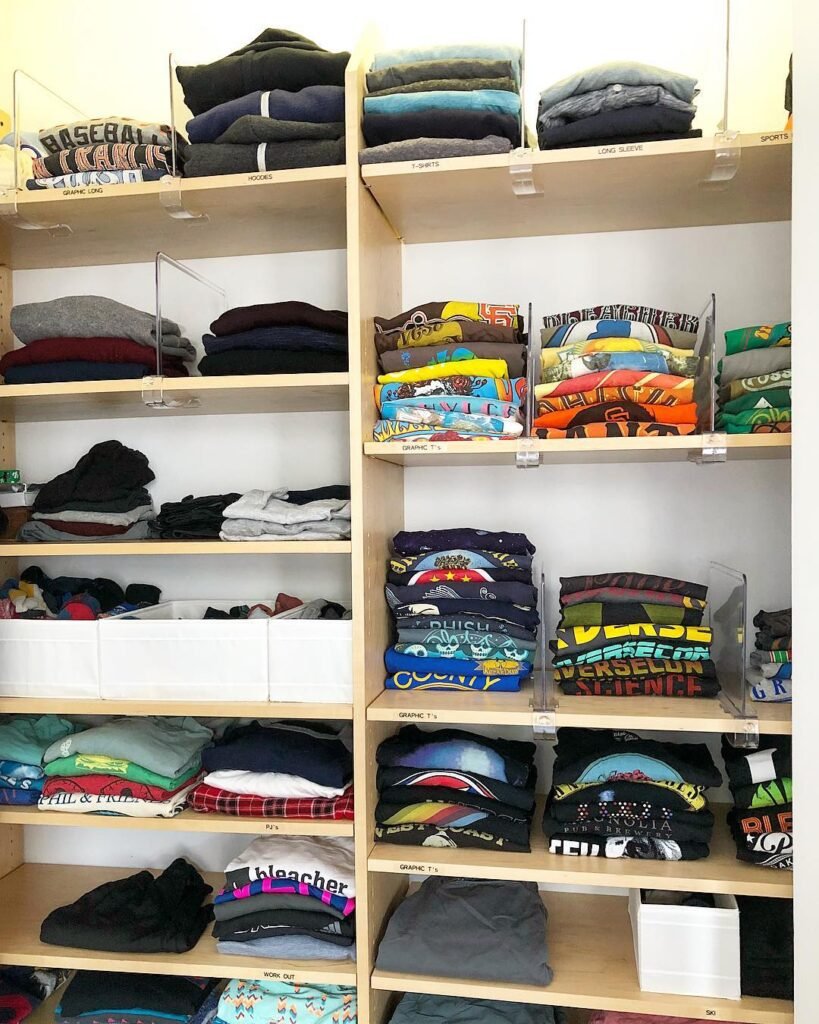
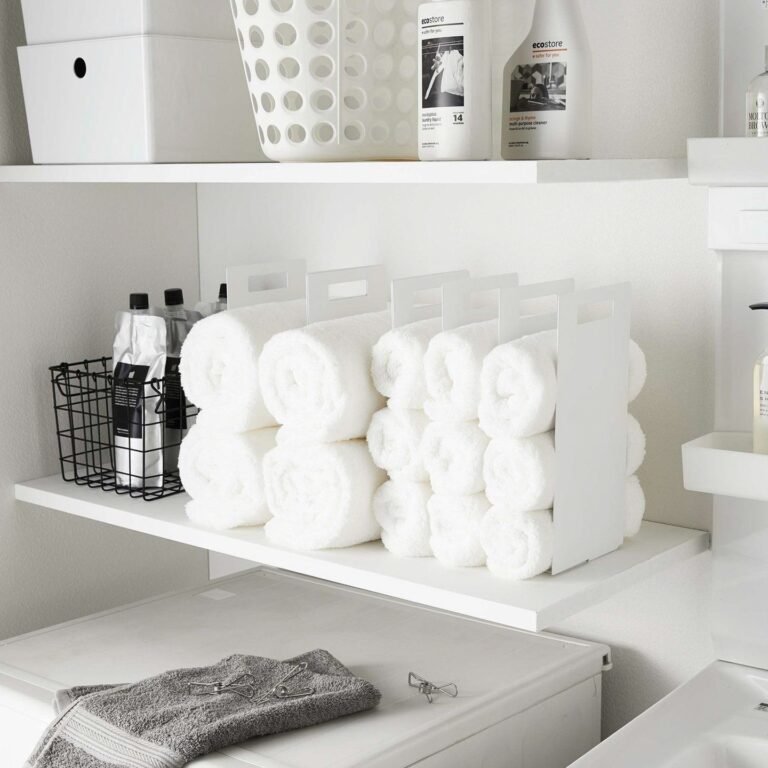
Sweaters, jeans, and knit tops often begin as neat piles and slowly lean into the next category. Shelf dividers create firm boundaries, so one stack cannot take over the entire shelf. They also make it easier to remove a single item without disturbing everything beside it.
Keep stacks short enough to handle comfortably. Three or four bulky pieces are usually easier to maintain than a tower of eight. If a category keeps overflowing, reduce the quantity or give it a second clearly defined section instead of making the pile taller.
Practical note: Keep each folded stack limited to three or four bulky items whenever possible. Shorter stacks are easier to manage and less likely to collapse when you pull out a sweater, pair of jeans, or folded top.
7. Create a Grab-and-Go Accessory Strip
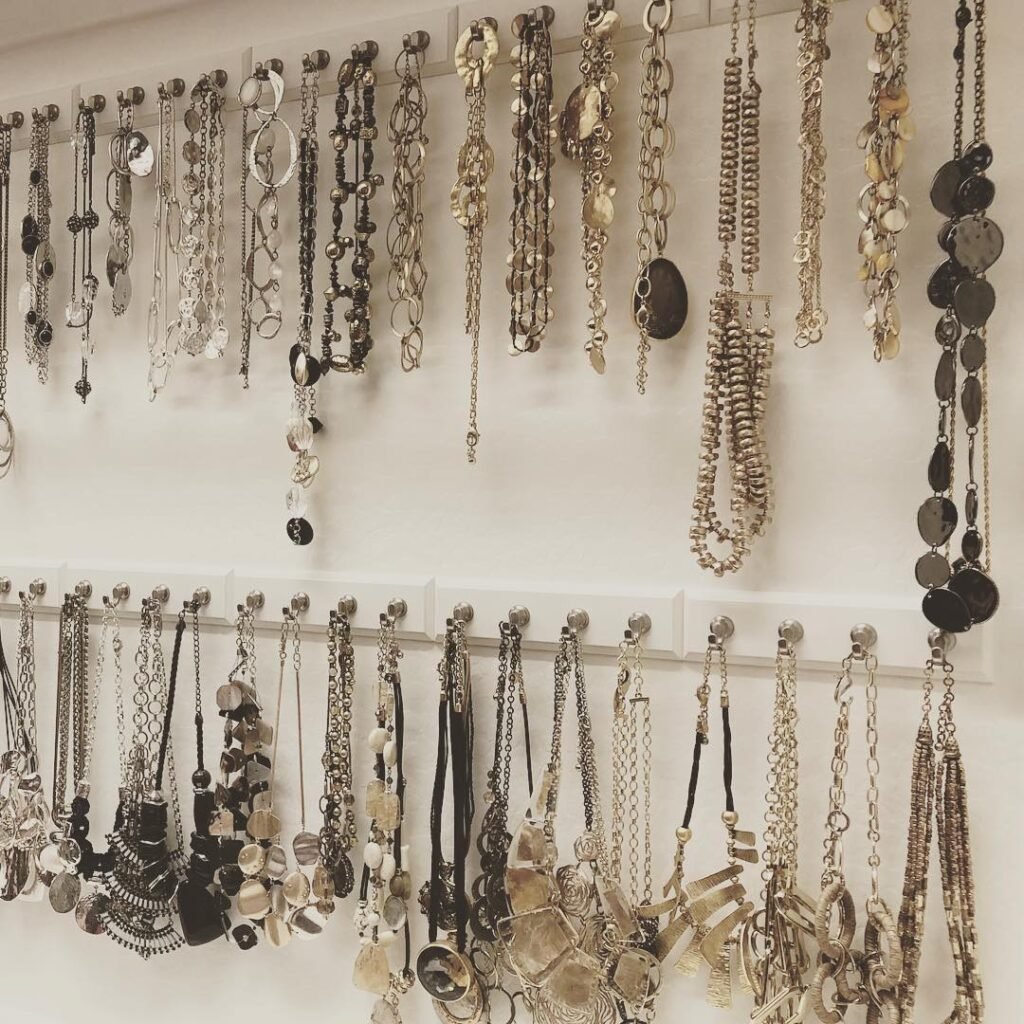
Use a narrow side panel or unused wall edge for the accessories you reach for most often. A slim rail, small pegs, or compact loops can hold belts, necklaces, lightweight scarves, and everyday bags without taking over a full shelf.
Group items by type and leave enough space to remove one without tangling the rest. This idea works well in very tight rooms because it turns a small vertical surface into useful storage. These tiny closet organizing hacks offer more ways to use overlooked gaps.
Quick tip: Store only frequently worn accessories on the open strip. Move special occasion pieces, delicate jewelry, and rarely used items into protected drawers or boxes so the display remains tidy, useful, and easy to maintain.
8. Use Toe-Kick Space for Flat Storage
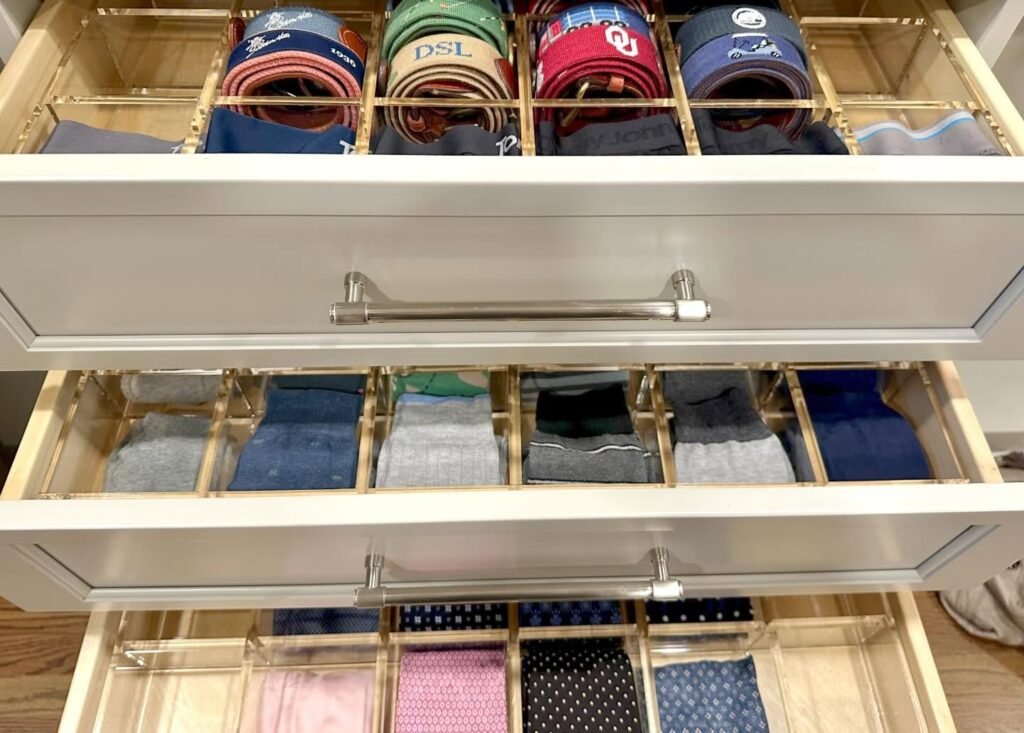
The space beneath a built-in cabinet is easy to ignore, but it can hide a shallow pull-out drawer. This low compartment is useful for flat shoes, clutches, folded tote bags, travel pouches, or spare linens that do not need daily access.
A toe-kick drawer should glide smoothly and stay flush when closed. Add a simple label inside so it does not become a forgotten catchall. Because the drawer is close to the floor, avoid storing delicate fabrics there unless the compartment is clean, dry, and fully enclosed.
Practical note: Reserve low toe-kick drawers for flat, lightweight items that you do not need every day. Travel pouches, folded tote bags, clutches, and seasonal accessories fit well without making the drawer too heavy to open.
9. Turn Corners Into Purpose-Built Zones
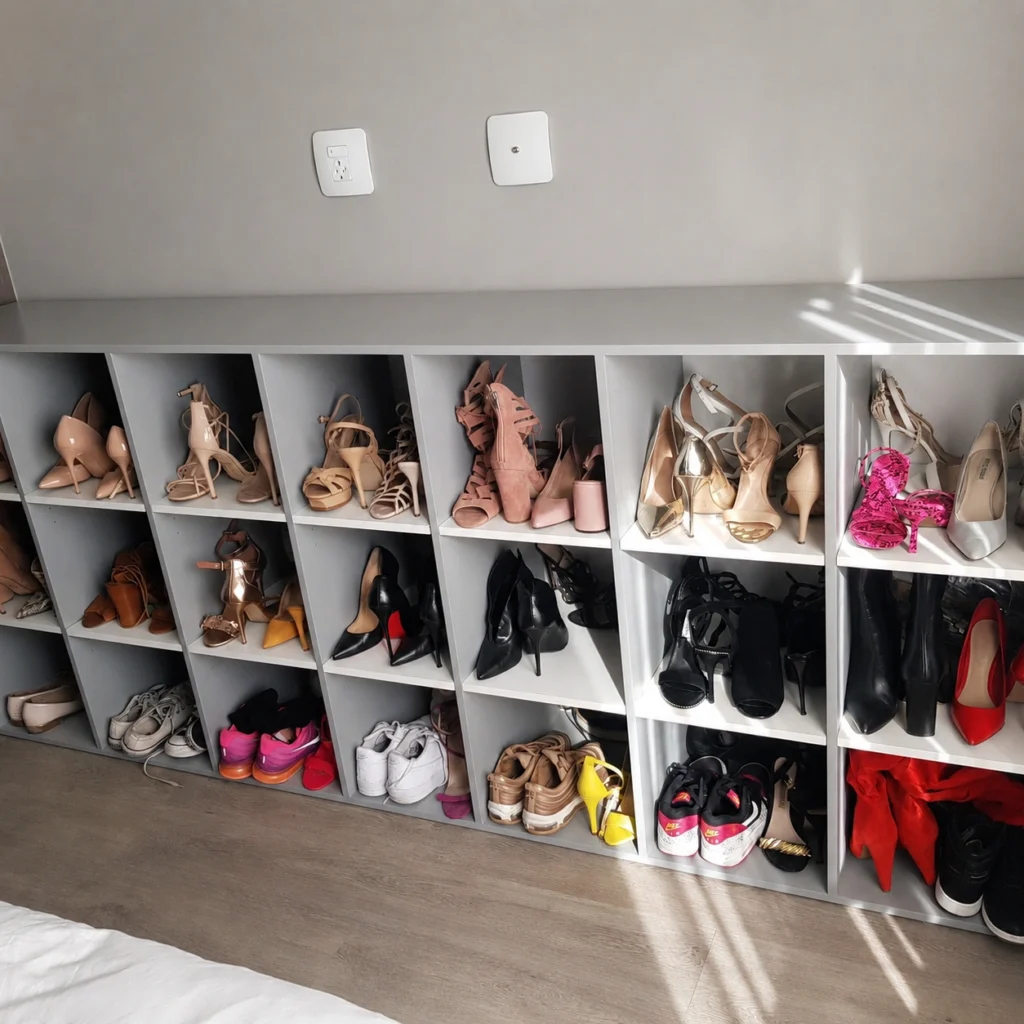
Closet corners often become crowded because two rails or shelves meet without a clear plan. Instead of forcing identical storage onto both walls, assign the corner one specific function. It could hold long garments, a rotating rack, a narrow hamper, or a vertical shoe column.
A dedicated corner zone prevents hangers from colliding and makes awkward space easier to reach. For additional ways to work with narrow surfaces, explore these space-saving closet wall storage ideas. Choose one solution that fits the corner rather than layering several small organizers together.
Quick tip: Choose one storage purpose for each difficult corner instead of combining shelves, hooks, and rails in the same spot. A single clear function makes awkward areas easier to reach and less likely to collect clutter.
10. Improve Visibility With Layered Lighting
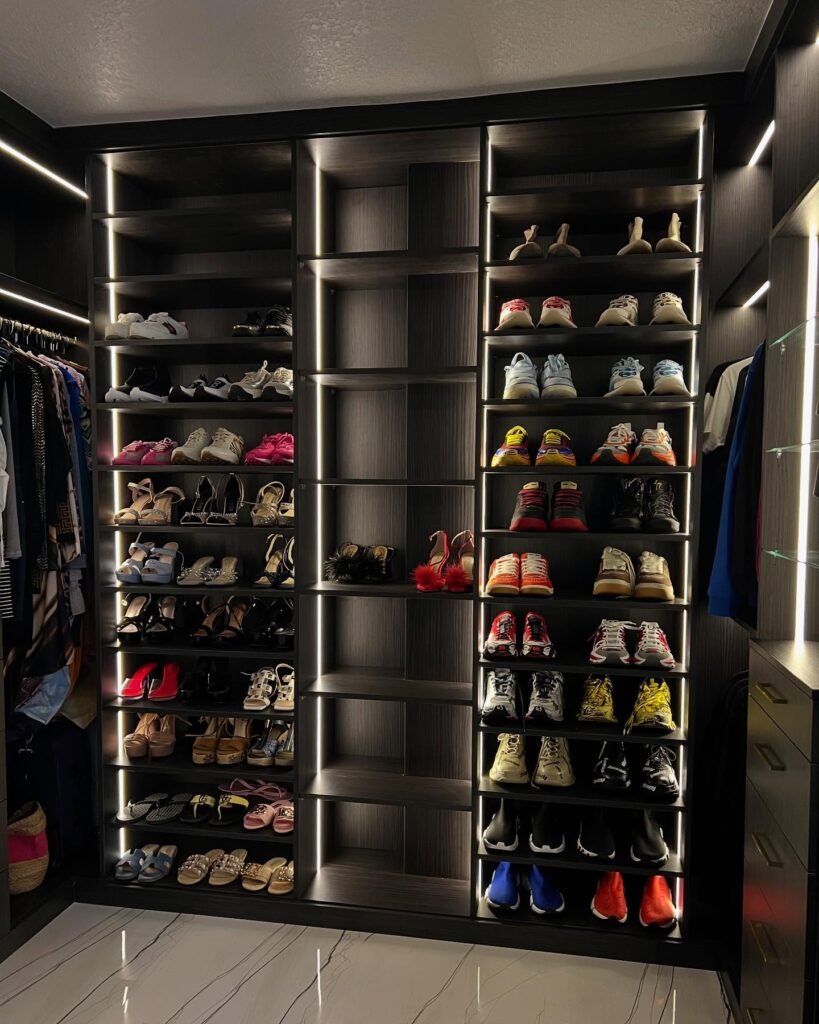
One ceiling bulb can leave shelves and dark clothing difficult to see. Combine general overhead lighting with slim LED strips under shelves or inside cabinets. Better visibility makes the closet feel more open and reduces the chance of buying duplicates because an item was hidden in shadow.
Motion-activated lights are useful when switches are awkward to reach. Choose a consistent light temperature so colors look accurate while you are getting dressed. Keep cords secured and follow the manufacturer’s installation instructions, especially around enclosed cabinetry.
Practical note: Install temporary battery-powered lights before paying for permanent electrical work. Testing several positions will show where shadows fall and help you decide whether under-shelf, cabinet, or motion-activated lighting provides the best visibility.
11. Give Outerwear Its Own Small Section
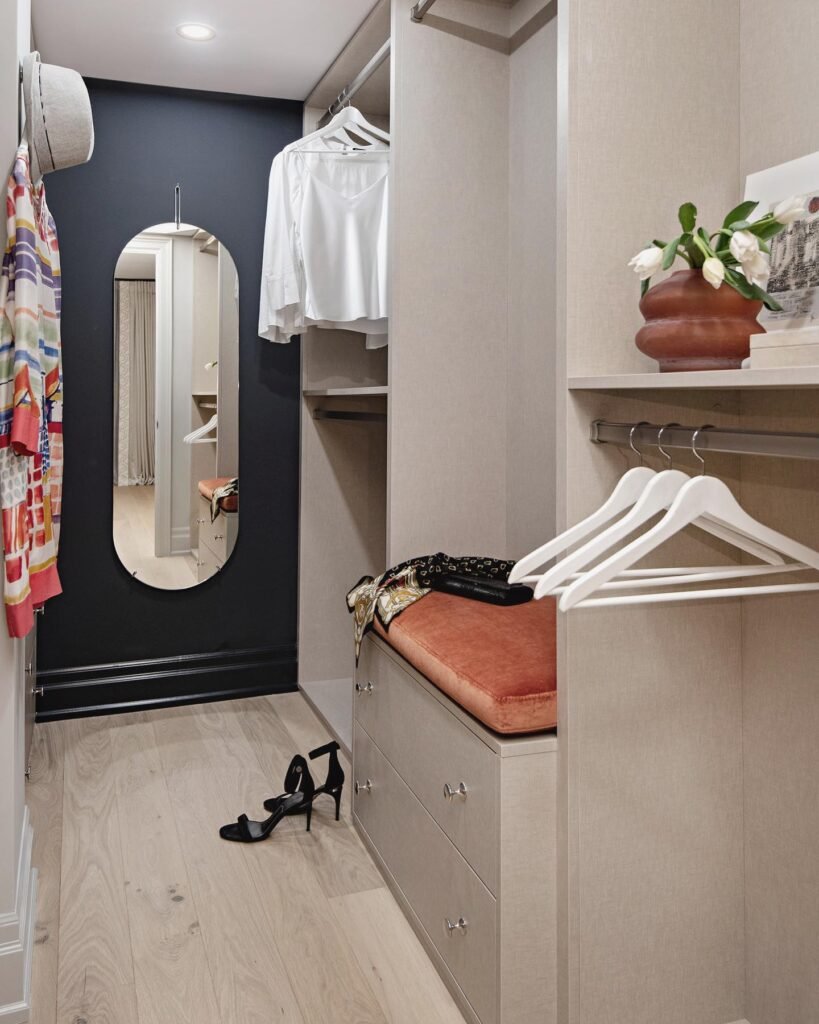
Even a walk-in closet can become overwhelmed when coats, jackets, and everyday clothing share the same rail. Set aside a short section for outerwear, then limit it to the pieces currently in season. Move heavy or off-season coats elsewhere when possible.
Use sturdy hangers and allow extra space between bulky garments. If your home has a separate entry closet, these tips on organizing a coat closet like a pro can help keep outdoor clothing from migrating back into the bedroom closet.
Quick tip: Keep only the current season’s coats and jackets in the main closet. Store off-season outerwear in garment bags, under-bed containers, or another closet so bulky pieces do not crowd the clothing you wear regularly.
12. Make a Weekly Outfit Zone
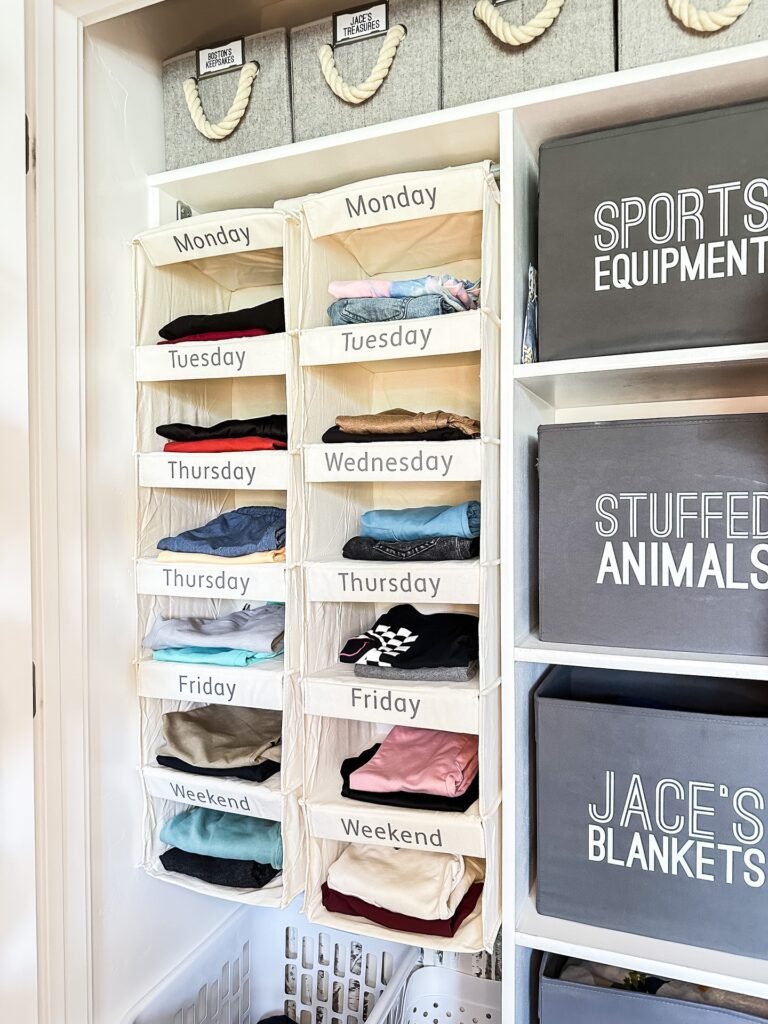
Reserve a small rail section or one shelf for several planned outfits. This gives you a place to combine clothing before busy mornings, school days, workdays, or events. It can also help you notice missing basics before laundry day.
Keep the zone intentionally small. It should hold a few complete looks, not become a second storage area for undecided clothing. At the end of the week, return unused pieces to their regular homes and reset the section. A simple routine keeps the system useful without adding another organizing chore.
Practical note: Reset the outfit zone at the end of every week. Return unused pieces to their regular places, remove empty hangers, and prepare a few new combinations so the section remains a useful planning tool rather than extra storage
13. Add a Reset Basket
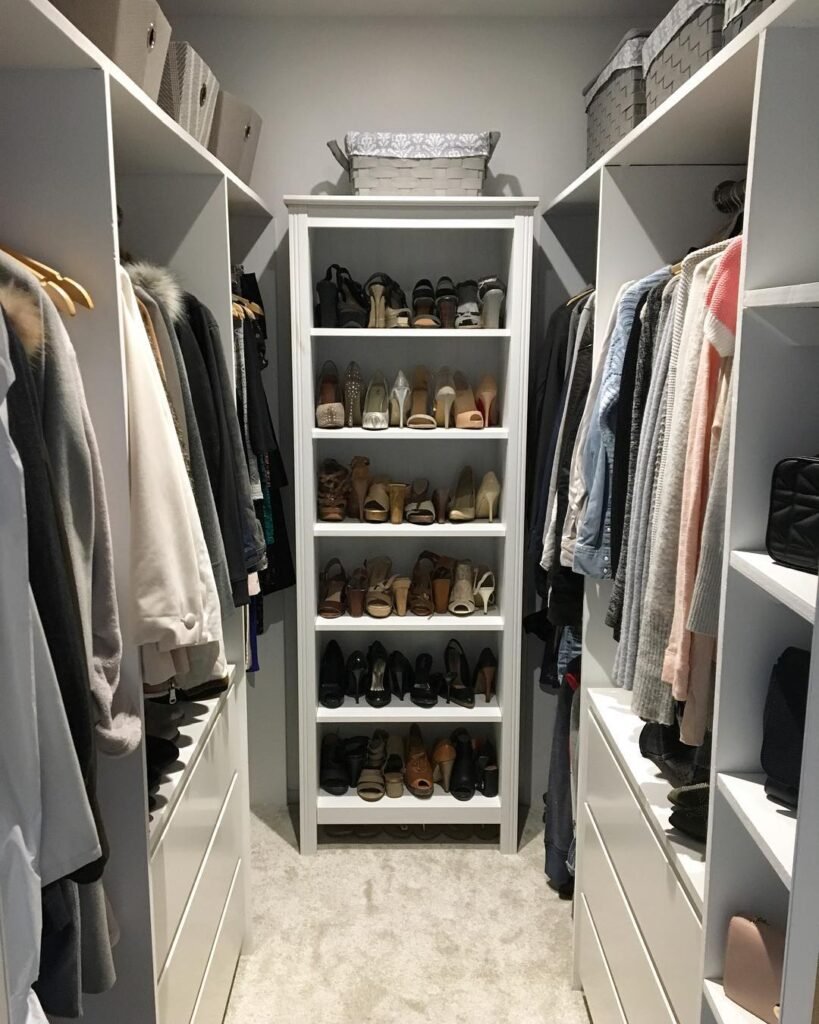
Place one medium basket near the entrance for items that need attention. Use it for clothing that needs mending, accessories that belong elsewhere, empty hangers, or pieces you are considering donating. This keeps small decisions from turning into scattered clutter.
Empty the basket on a set day each week. Repair, relocate, wash, or donate every item instead of letting the basket become permanent storage. A reset basket works because it gives temporary mess a boundary while still requiring regular follow-through.
Quick tip: Choose one day each week to empty the reset basket completely. Put misplaced items away, wash or mend clothing, and move donation pieces out of the closet so the basket never becomes a long-term clutter container.
FAQs
How can I make a small walk-in closet look bigger?
Keep the floor visible, use consistent hangers, and reduce visual clutter on open shelves. Bright, layered lighting also helps corners feel less closed in. Avoid deep furniture that narrows the walking path.
What should I remove first when organizing a small closet?
Start with items that do not belong in the closet, followed by damaged, uncomfortable, or rarely worn clothing. Set the easiest decisions aside before reviewing sentimental pieces. Clearing obvious clutter gives you room to organize everything that remains.
Are open shelves or drawers better in a small walk-in closet?
Open shelves are useful for visible, frequently used items, while drawers hide smaller pieces and reduce visual clutter. A mix of both usually works better than choosing only one storage type. Use drawers for items that tend to look messy when stacked.
How often should I reset my closet?
A quick weekly reset keeps clothing and accessories from drifting into the wrong places. A deeper seasonal review helps with rotating outerwear, checking fit, and removing pieces you no longer use. Choose a regular reset day so clutter does not have time to build.
What is the cheapest way to improve a small walk-in closet?
Begin with decluttering, matching existing hangers, and rearranging categories by frequency of use. Shelf dividers, labels, and battery-powered lights can improve function without custom cabinetry. Reuse containers you already own before buying a complete organizing system.