32 Clever Closet Organization Ideas That Make Every Inch Work
A closet can look full while wasting a surprising amount of space. The trouble is often not how much you own, but where things live and how easily they return there.
These clever closet organization ideas improve hanging space, shelves, shoes, accessories, and everyday routines.
1. Map the Closet Before Buying Anything
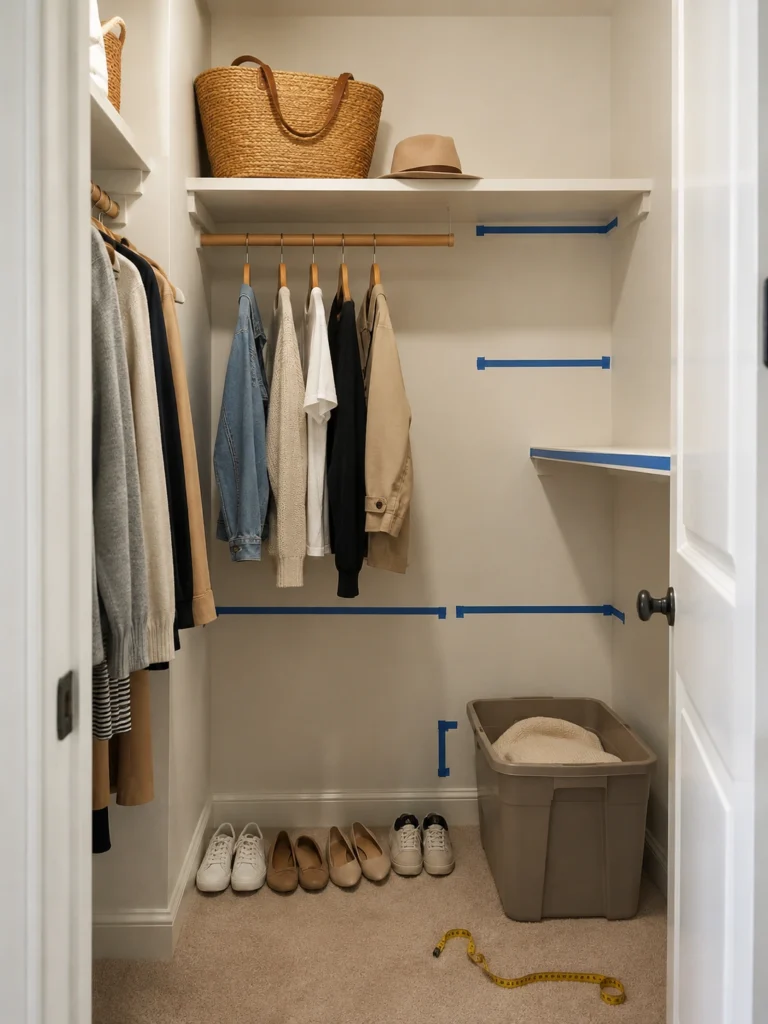
Empty one section at a time and decide what each area should hold. Give eye-level space to weekly favorites, place occasional pieces higher up, and reserve the floor for shoes or sturdy bins. A simple map stops random baskets from taking over.
Measure every shelf, gap, and rod before shopping. In compact spaces, these small walk-in closet ideas can help you spot corners that could hold narrow shelves, hooks, or a second rail.
Quick tip: Use painter’s tape to mark the width and height of possible shelves, drawers, or bins. This lets you test how much walking and hanging space remains before purchasing organizers that may be too bulky.
2. Make a Daily-Use Clothing Zone
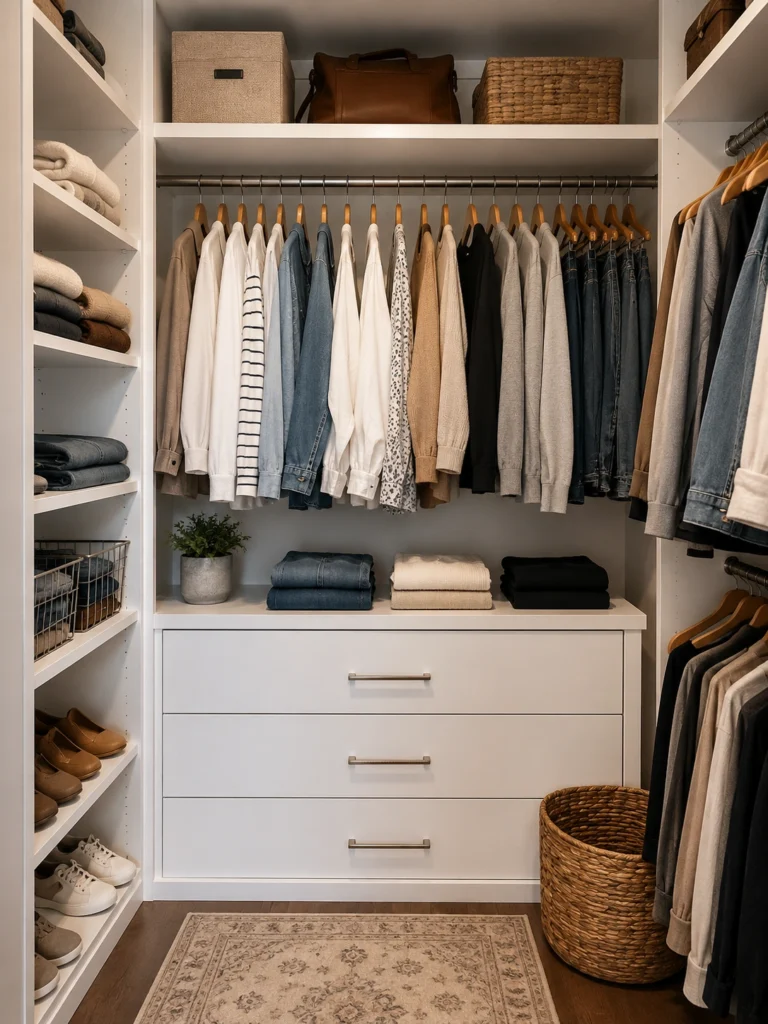
Keep the clothes you reach for most in one central section. Work tops, school outfits, favorite jeans, and everyday layers should not be scattered across several rods and shelves. Grouping them together makes mornings quicker and reduces searching.
Use one short rod section with a nearby shelf or drawer. Return these pieces first when laundry is clean. Formalwear, seasonal items, and rarely worn clothing can sit farther away without slowing down the part of the closet you use every day.
Practical note: Keep enough outfits in this section to cover one normal week. When the area becomes crowded, move less-used pieces elsewhere rather than expanding the zone and making everyday clothing harder to reach.
3. Add a Second Rail Under Short Clothes
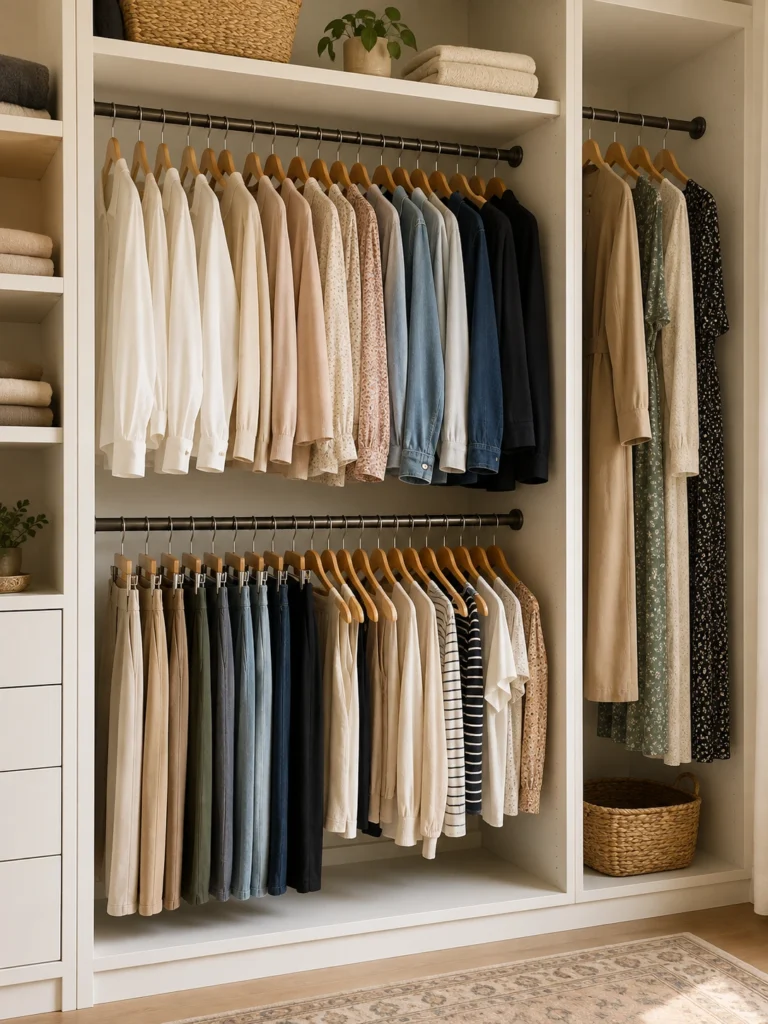
A single rod often leaves a large pocket of unused space beneath shirts and jackets. Adding a lower rail creates room for skirts, trousers, children’s clothes, or more tops. Keep long dresses and coats in a separate full-height section.
A removable rail works well for renters and changing wardrobes. These tiny closet organizing hacks offer more ways to use narrow spaces without permanent construction. Leave enough distance between rails so sleeves hang freely and clothes do not press against the lower row.
Quick tip: Before installing the lower rail, hang your longest shirt on the upper rod and measure beneath it. Leave a small gap so sleeves do not brush against the clothing or hangers below.
4. Match Shelf Spacing to Your Belongings
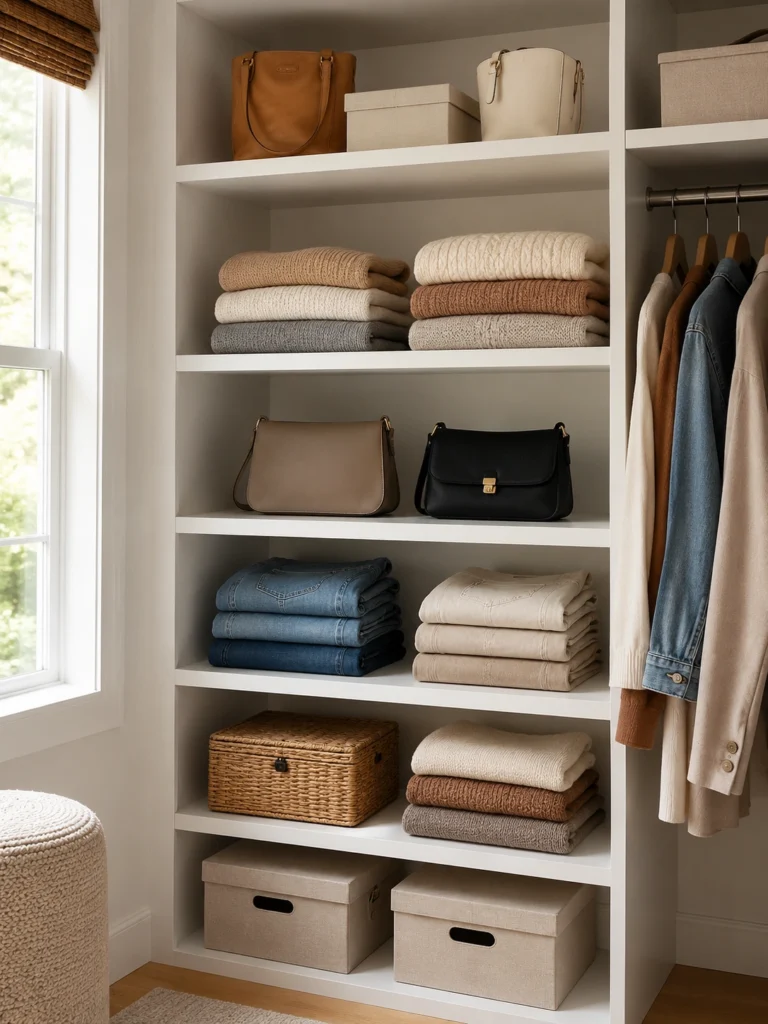
Wide gaps between shelves waste space when the items stored there are short. Adjust shelves closer together when possible, especially for folded clothes, handbags, or small boxes. Several useful shelves usually work better than two tall, half-empty ones.
Give each shelf one main category and keep stacks low. A short pile of sweaters stays neat, while a tall mixed pile collapses as soon as you pull from the middle. Shelf spacing should make items easy to remove, not simply fit the greatest possible amount.
Small checklist:
- Measure the tallest stored item.
- Add a little hand space above it.
- Keep frequently used shelves between waist and eye level.
- Avoid leaving large empty gaps that cannot hold another category.
5. Use the Side Walls, Not Just the Back
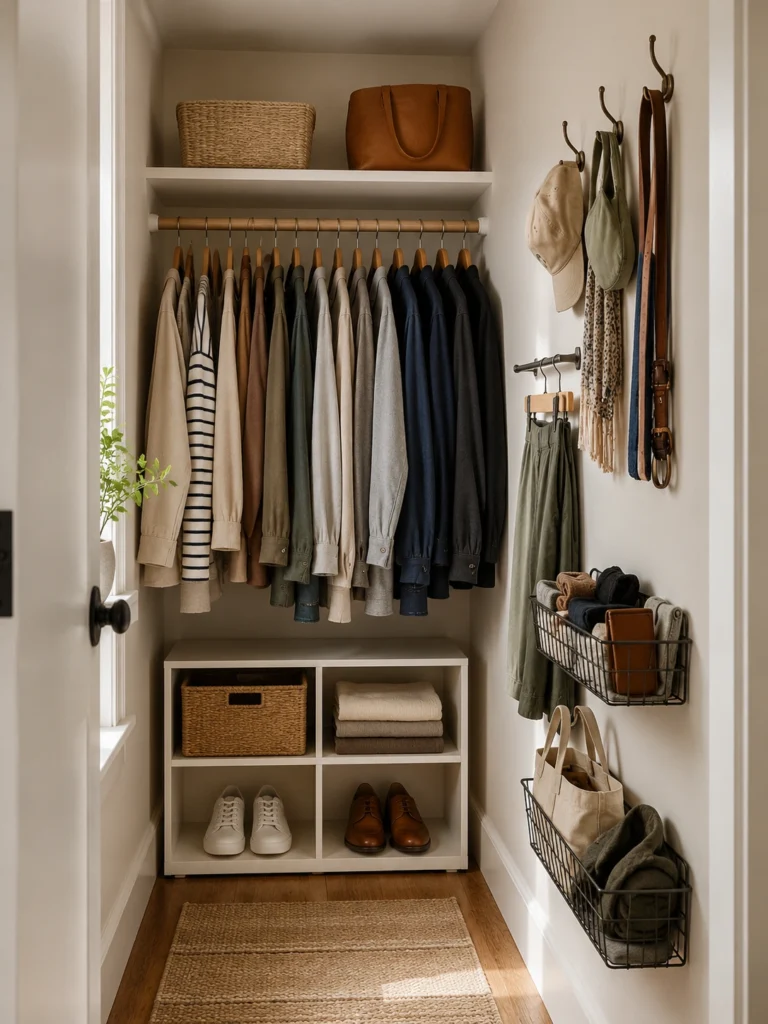
A narrow side wall can hold slim hooks, a short rail, or shallow baskets without crowding the main hanging area. Use it for scarves, belts, caps, reusable bags, or tomorrow’s outfit. Visible storage also keeps small items from disappearing into drawers.
Choose low-profile hardware so hangers can still move freely. These closet wall storage ideas show more ways to use vertical space. Test the location with removable tape first, then open the door and slide hangers around before installing anything permanent.
Quick tip: Start with removable hooks before drilling permanent holes. Use the area for a week and check whether hanging accessories catch on clothes, block the door, or make the closet feel too narrow.
6. Add One Outfit-Staging Hook
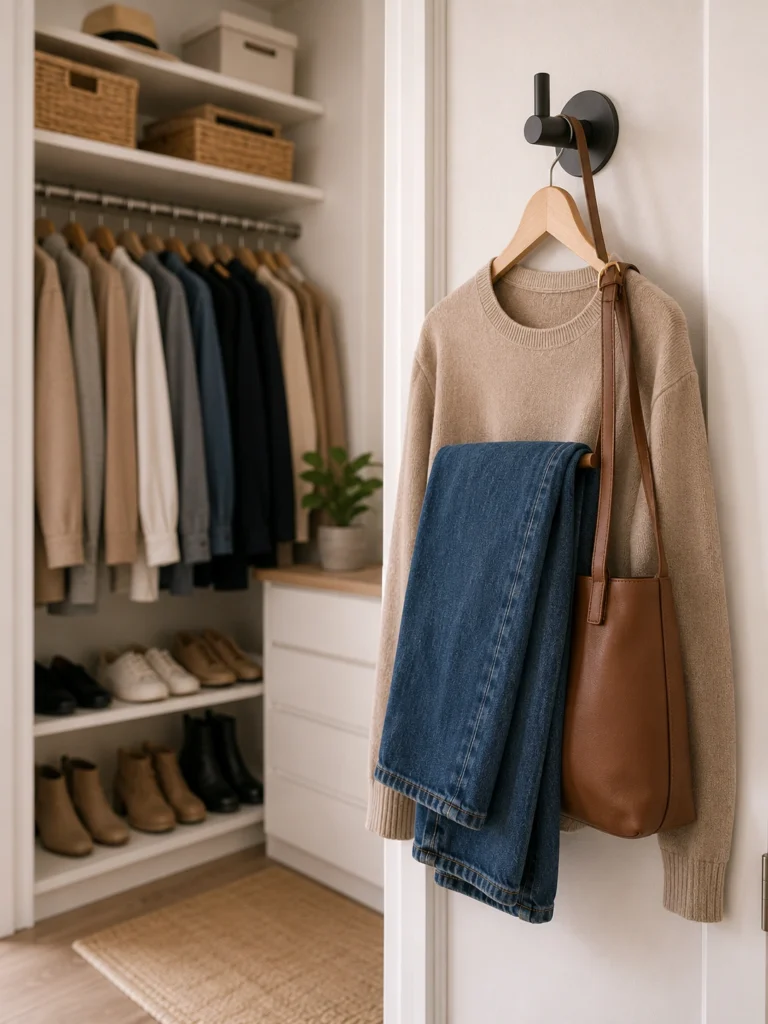
A sturdy hook outside or just inside the closet gives you a place to prepare tomorrow’s outfit. It can also hold a jacket that needs airing or one item waiting for repair. That keeps temporary clothing off chairs, knobs, and the floor.
Limit the hook to one outfit or one task. When it becomes a permanent pile, it stops helping. Clear it before choosing the next day’s clothes. This tiny rule makes the hook useful and prevents a convenient spot from turning into another clutter magnet
Practical note: Empty the hook after wearing the prepared outfit. Do not use it for clothing that needs folding, washing, or long-term storage. Giving the hook one clear purpose prevents another pile from forming.
7. Slide Low Bins Under Short Hanging Items
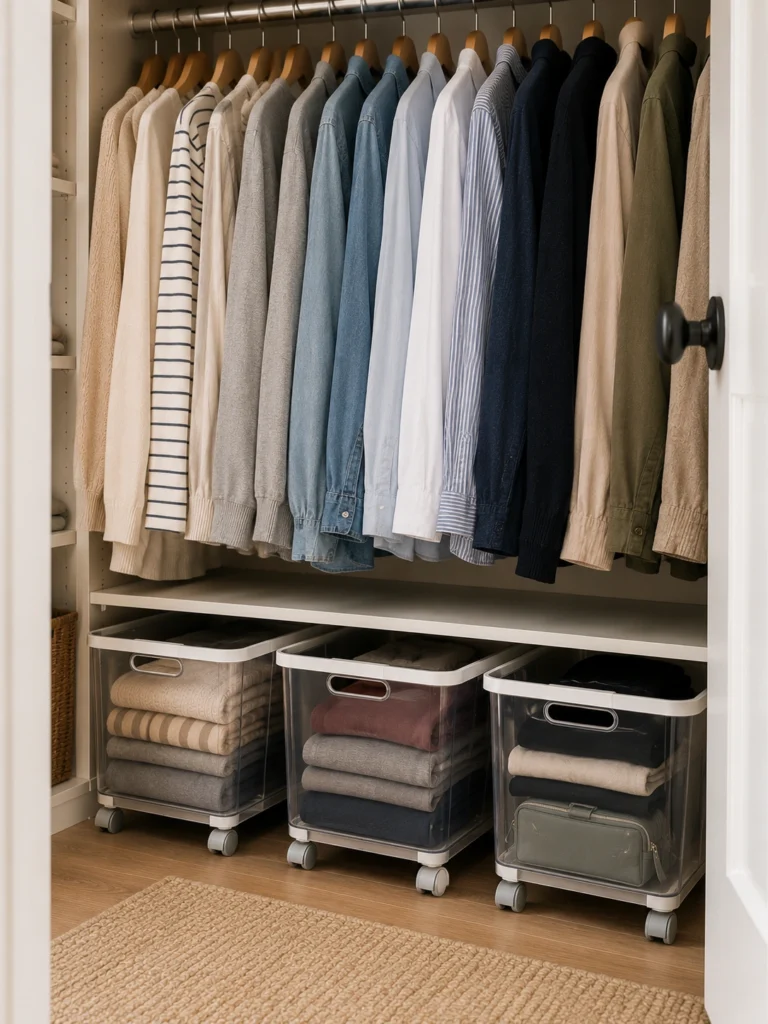
The floor beneath shirts is often too short for furniture but perfect for shallow bins. Rolling containers can hold pajamas, workout clothes, small bags, or folded linens while remaining easy to pull out for cleaning.
Choose bins that fit beneath the lowest garment, not simply beneath the rod. Leave some space above the contents so nothing catches when the bin moves. Clear fronts or simple labels make each category easy to find.
Quick tip: Choose rolling bins or containers with handles so you can reach items at the back. Avoid filling them completely because an overpacked bin becomes heavy, difficult to open, and easy to ignore.
8. Keep Shoes in One Visible Row
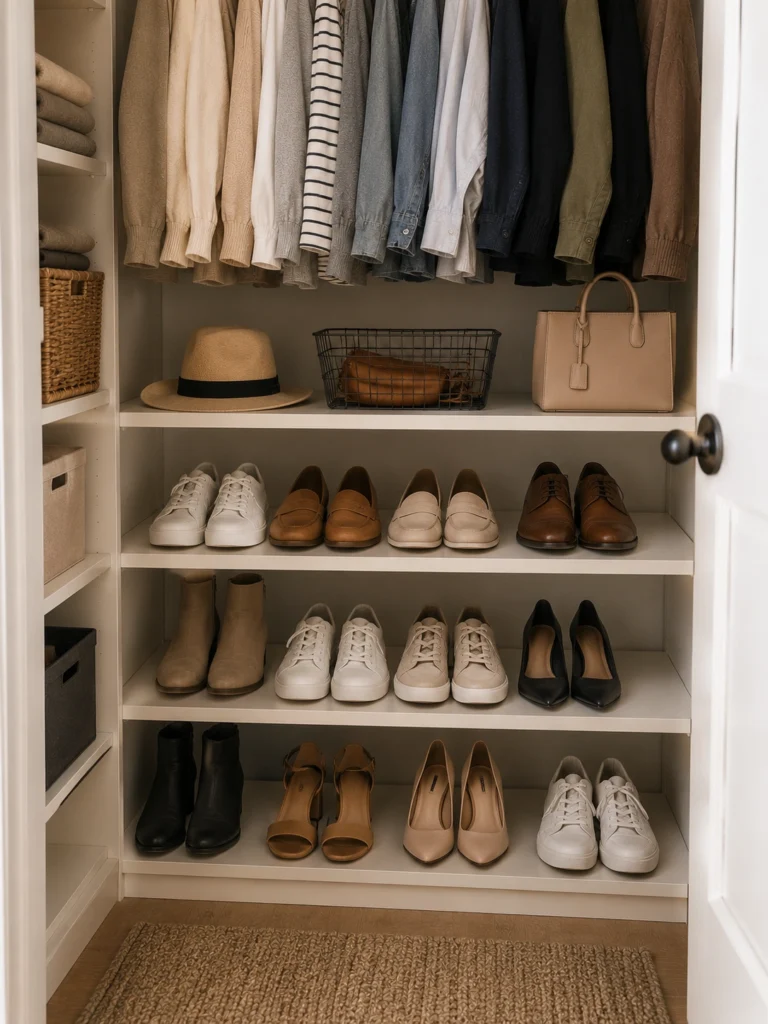
Shoes are easier to manage when every pair is visible in one row or clearly assigned cubby. Avoid deep floor piles because pairs at the back are quickly forgotten. Put everyday shoes nearest the entrance and occasional styles higher or farther to the side.
This approach also works well with the tips for organizing a coat closet like a pro. Leave one open space for the pair currently being worn. That small gap keeps the shoe area from feeling overfilled immediately.
Small rule: Follow a one-pair-in, one-pair-out approach when the shoe row is full. This protects the available space and encourages you to remove worn-out or rarely used shoes before adding new ones.
9. Store Handbags Upright
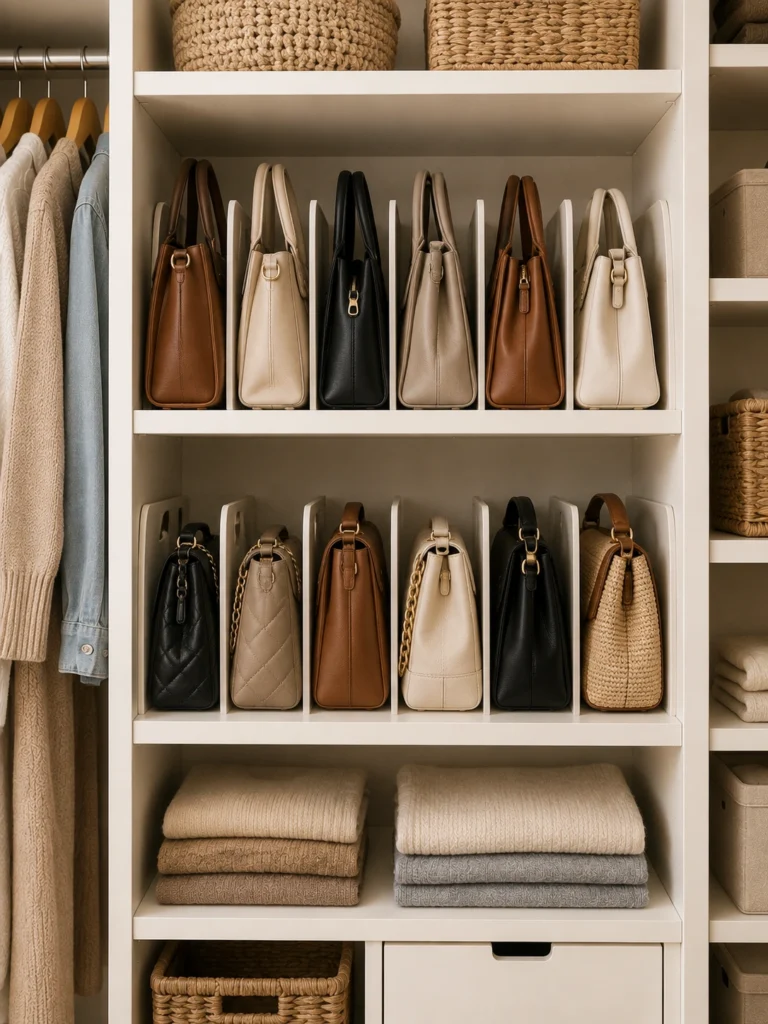
Handbags hold their shape better when they stand upright instead of being crushed in a pile. Give each bag a narrow shelf section or cubby. Use clean packing paper, folded fabric, or a soft scarf to support structured bags without adding much weight.
Tuck straps inside or lay them beside the bag so they do not snag. Reserve the easiest shelf for the two or three bags you use most. Special-event bags can sit higher, but keep them visible enough that you remember what you already own.
Quick tip: Use shelf dividers to keep soft handbags from leaning into one another. Avoid hanging heavy bags by their straps for long periods because the weight may stretch or weaken the handles.
10. Organize Accessories by Function
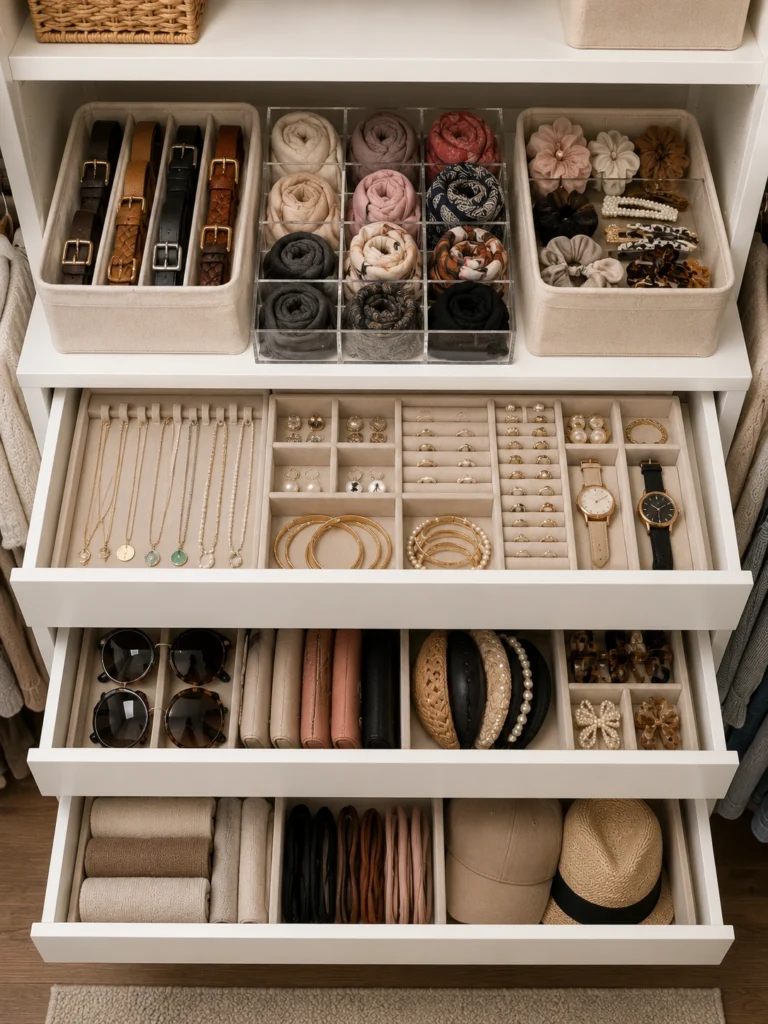
Group small accessories by type rather than mixing everything in one drawer. Keep belts together, scarves together, jewelry together, and hair accessories together. Sorting only by color can look attractive, but it often slows down the search for the right item.
Choose storage that suits the shape of each category. Necklaces need hooks, rolled belts need compartments, and earrings need shallow sections. Leave a little empty room for new pieces. That buffer prevents one purchase from overflowing the whole system and creating another unsorted pile.
Practical note: Keep your most-used accessories at eye level and special-event pieces higher up. This makes daily choices faster while protecting delicate jewelry, formal belts, and occasional scarves from unnecessary handling.
11. Label Seasonal Storage With a Return Month
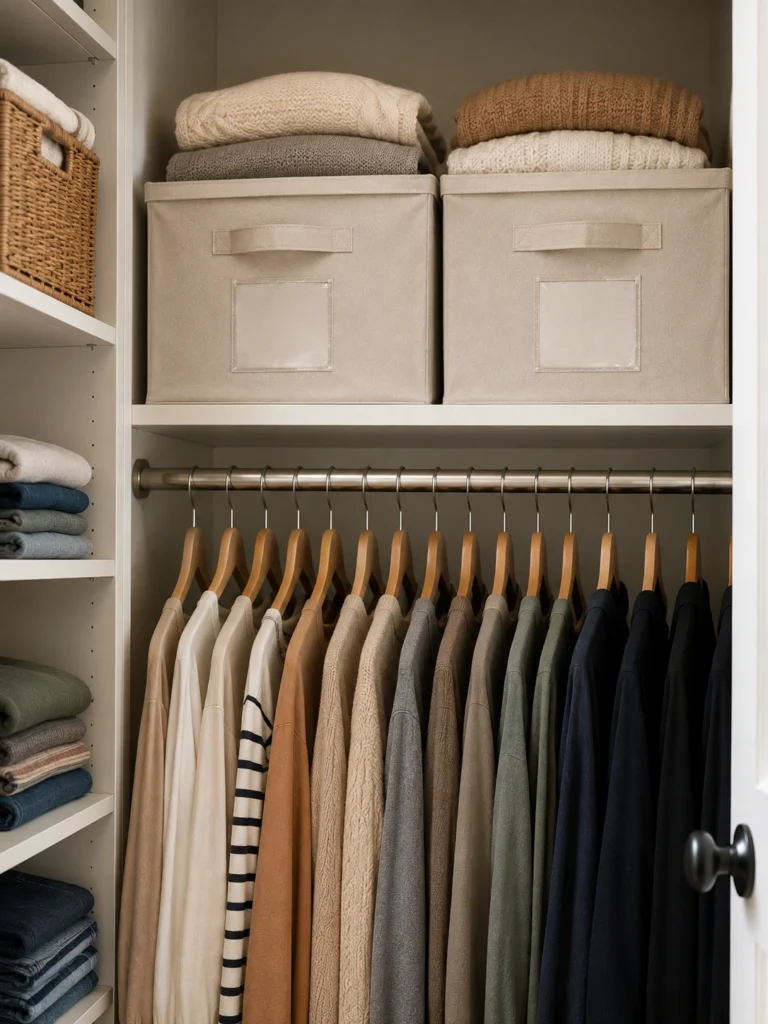
Move true off-season clothing out of the main area, then label the container with its contents and a return month. “Sweaters and thermals, return in October” is more useful than a vague label such as “winter clothes.”
Store seasonal bins on a high shelf or in another clean, dry location. These linen closet organizing ideas can help when clothing, blankets, and bedding share nearby storage. Wash and fully dry every item before packing it away, especially knits and coats.
Quick tip: Add a short contents list to the outside of each seasonal container. Instead of writing only “summer,” list items such as swimsuits, shorts, sandals, and beach bags so you can find one thing without opening every box.
12. Limit the Height of Folded Stacks
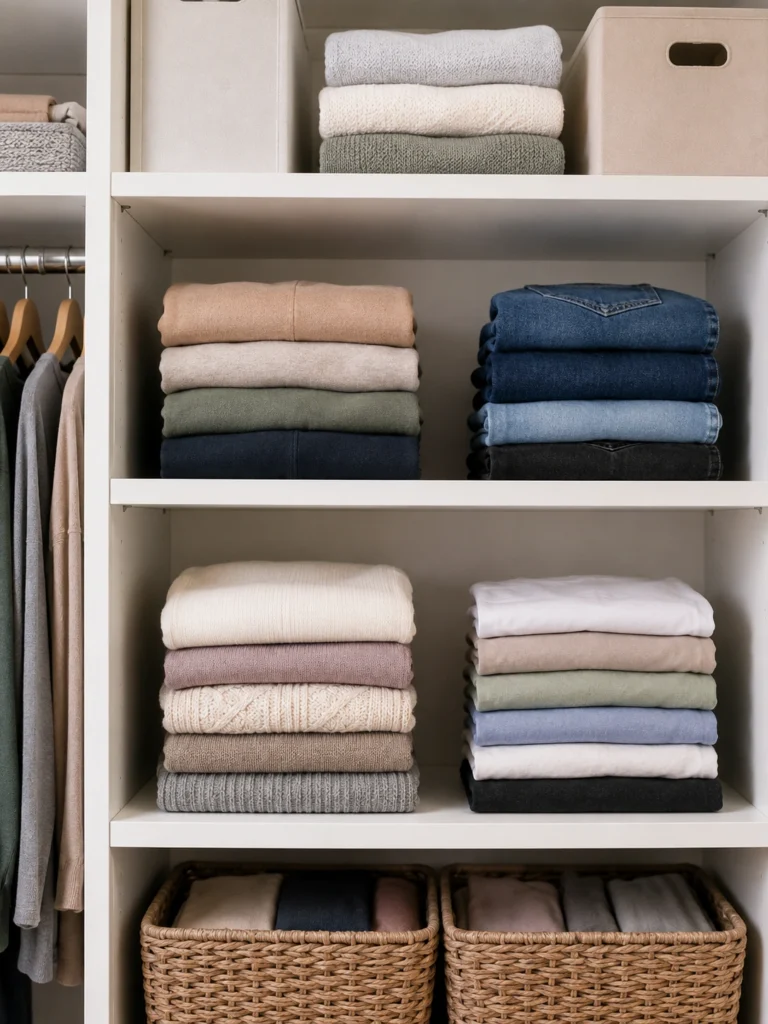
Tall stacks look efficient but fall apart quickly. Keep most piles to five or six lightweight items, depending on fabric thickness and shelf height. When a stack grows taller, split the category or move less-used pieces elsewhere.
Fold items to a similar width and place heavier knits at the bottom. Leave enough room above the pile to slide clothing out without dragging against the shelf. When you constantly need something from the middle, vertical drawer storage may work better than stacking.
Small checklist:
- Keep thick sweaters in shorter piles.
- Separate slippery fabrics with shelf dividers.
- Place frequently worn items on top.
- Rebuild leaning stacks during the weekly closet reset.
13. Give Every Drawer One Clear Purpose
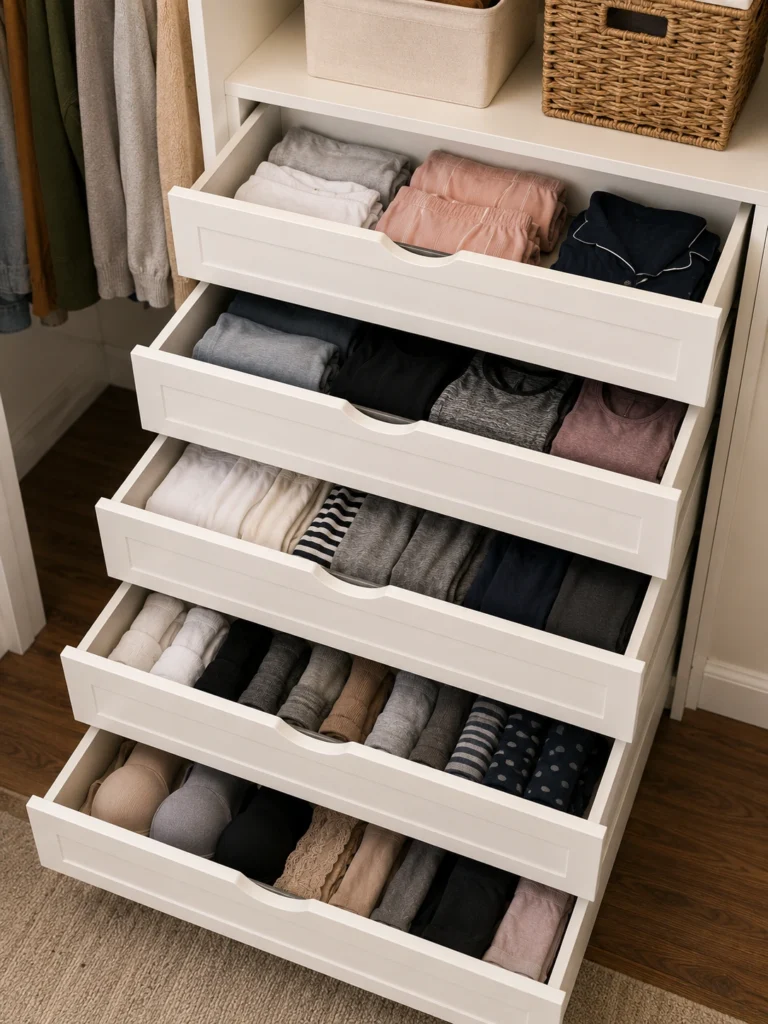
Labels reduce hesitation when putting away laundry and help everyone return items correctly. Use specific names such as “sleepwear,” “gym tops,” or “school socks” instead of a broad label like “clothes.” One purpose per drawer keeps categories from blending.
Choose labels that are easy to update as routines change. Clip-on tags, removable tape, or card holders work well. The aim is not to decorate every surface. It is to make the correct location obvious, so clean clothes do not sit in a basket waiting to be sorted.
Quick tip: Place labels on the inside edge of drawers for a cleaner appearance. The label will still guide family members while remaining hidden when the drawer is closed.
14. Create Separate Paths for Laundry and Repairs
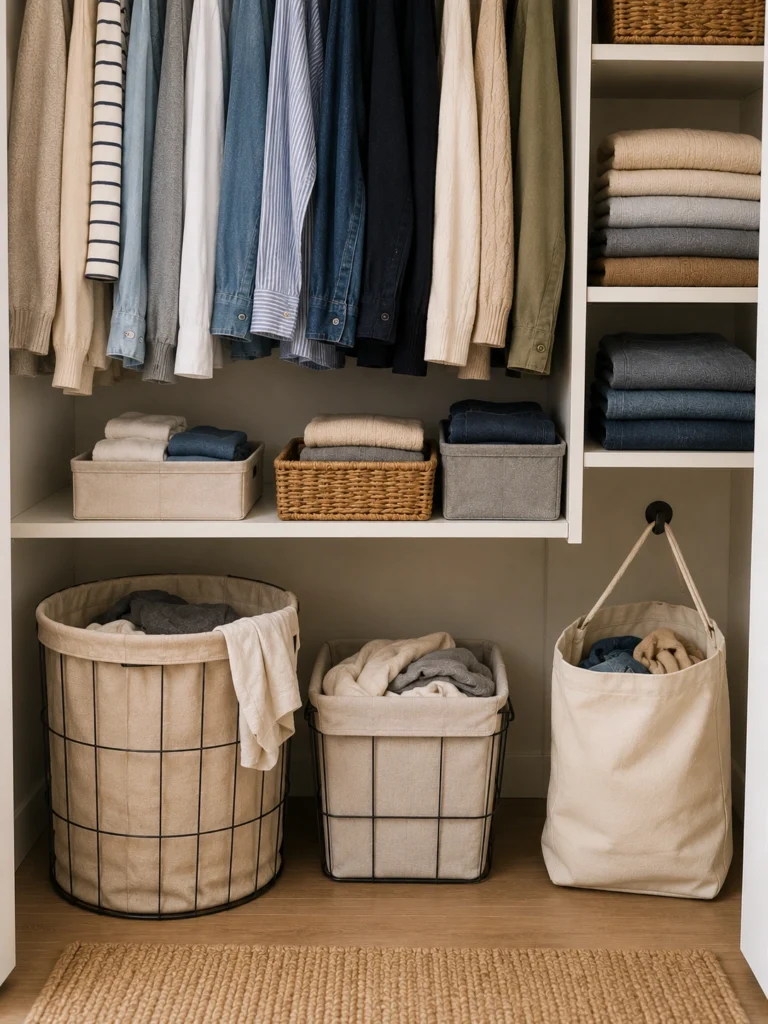
Closets become messy when worn clothes, clean laundry, repairs, and donations land together. Give each group a destination. Use a hamper for dirty clothes, a small basket for clean items waiting to be folded, and a hanging bag for repairs or donations.
Keep these containers small enough that they must be emptied regularly. Large baskets can hide weeks of unfinished sorting. Place the hamper where you naturally change clothes, not where it looks prettiest. A convenient system is easier to maintain than one that adds extra steps.
Practical note: Review the repair basket once a week. Fix simple problems promptly, schedule professional alterations, or donate items you are unlikely to repair. Clothing should not remain in this temporary category for months.
15. Improve the Lighting
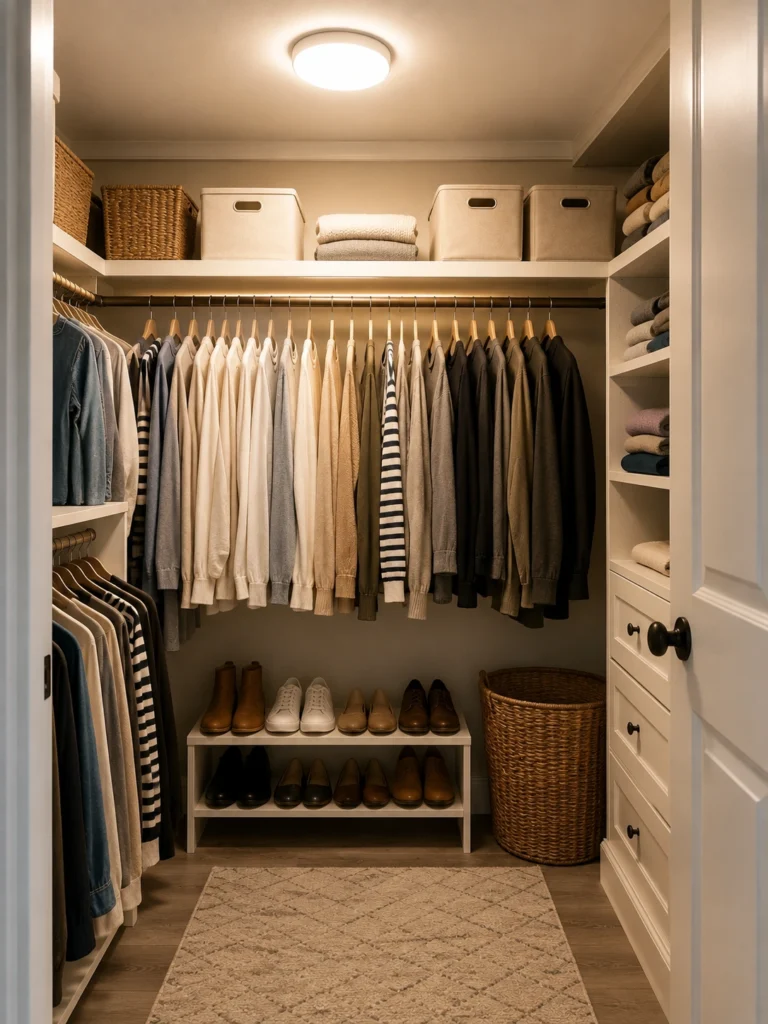
A dark closet can feel cluttered even when it is organized. Better lighting helps you see colors, notice empty areas, and return items correctly. Battery-powered motion lights suit closets without wiring, while a brighter ceiling bulb may be enough elsewhere.
Position lights so your body does not block them at the doorway. Add light beneath a high shelf or near drawers if those areas stay shadowed. Good visibility may also prevent duplicate purchases because your belongings are easier to see.
Quick tip: Install motion lights where shelves or hanging clothes create shadows. Test the light at night before fixing it permanently, since daylight can hide dark areas that become frustrating during early mornings.
16. Schedule a Ten-Minute Weekly Reset
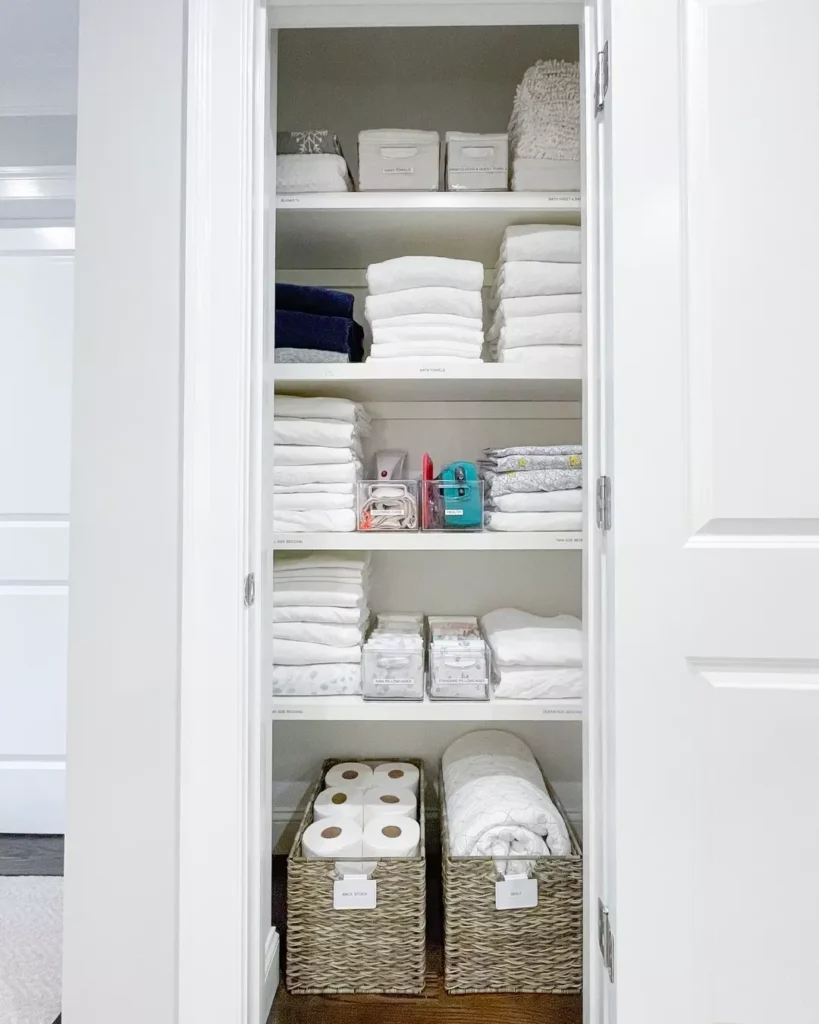
Choose one regular day for a quick closet reset. Return empty hangers, straighten one shelf, put away shoes, and remove anything that belongs elsewhere. Ten focused minutes can stop small messes from becoming a weekend project.
Do not turn this session into a major declutter. Its purpose is maintenance. Keep a small donation bag nearby and add obvious unwanted items as you notice them. When the bag is full, move it out of the house. A short repeatable routine is easier to keep than occasional marathon cleaning.
Quick routine:
- Return misplaced clothes.
- Match loose shoes.
- Remove empty hangers.
- Straighten one shelf.
- Move donations out when the bag is full.
Stop after ten minutes to keep the habit easy and repeatable.
17. Leave a Small Amount of Empty Space
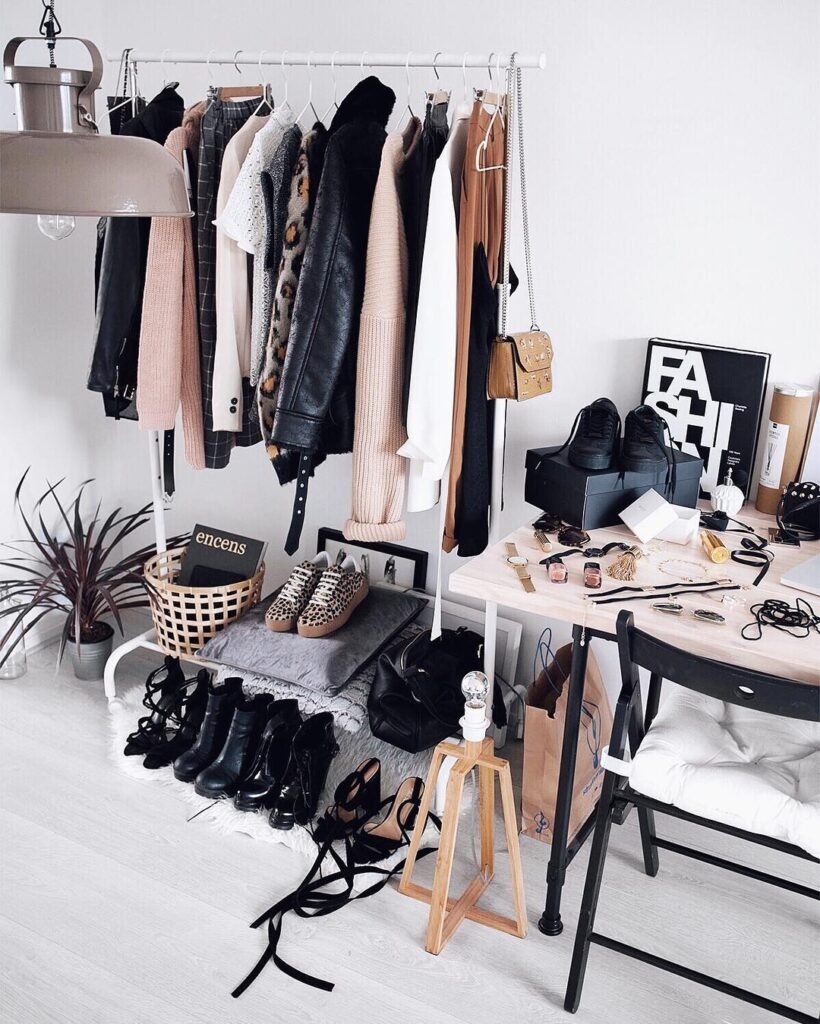
A closet filled to every edge has no room for clean laundry, a new purchase, or a temporary change in routine. Leave a few inches open on each rod or shelf. It makes hangers and folded clothes easier to move.
Treat the gap as part of the system, not as storage you forgot to use. When it disappears, pause before adding another organizer. Remove, relocate, or replace something first. This simple boundary helps the closet stay functional instead of slowly returning to an overpacked state.
Practical note: Aim to keep roughly ten percent of each rod, shelf, or drawer open. This small buffer makes clothing easier to remove, creates room for clean laundry, and shows you when a category is reaching its limit.
18. Sort by Decisions, Not Just Clothing Type
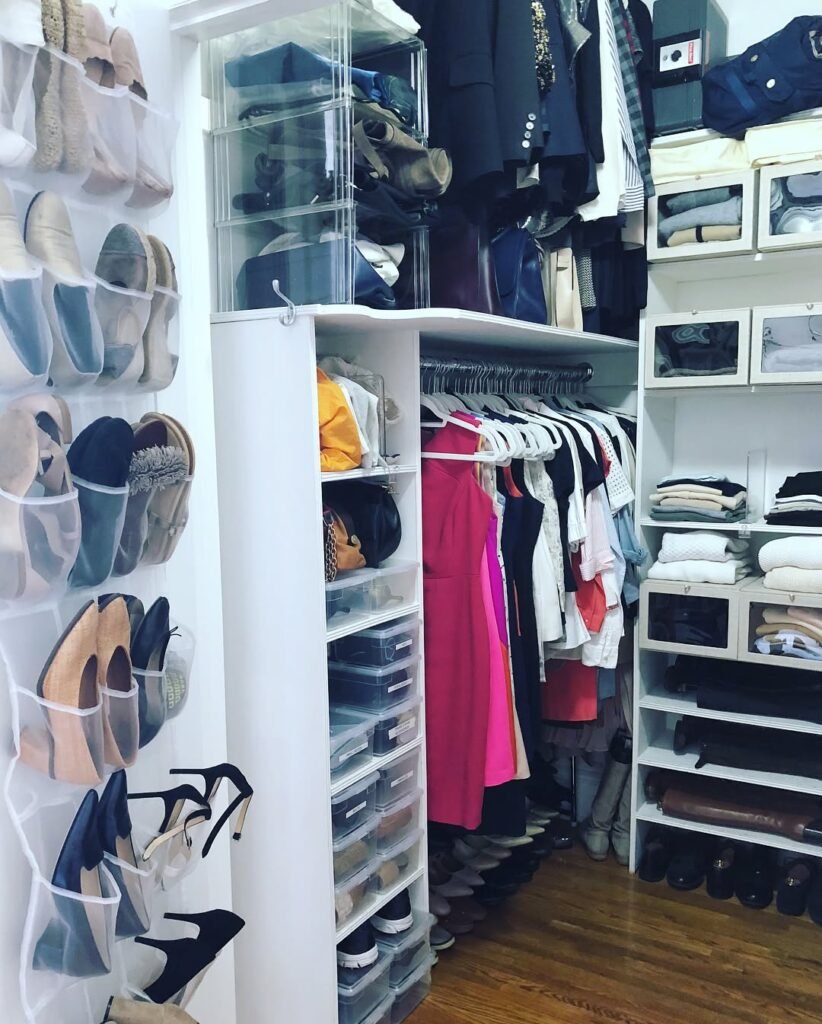
Credti: @aneditedspace
Take everything out in small sections so the process does not become overwhelming. Instead of making only keep, donate, and discard piles, sort items by how confidently you wear them. Create groups for frequent favorites, occasional pieces, uncertain items, repairs, and donations.
This method exposes clothes that stay in the closet without earning their space. Place uncertain pieces in a dated box for one month. If you never look for them, you can let them go with less second-guessing today.
Quick tip: Place uncertain clothes in a labeled box with the current date. If you do not reach for an item within the next month, donate it or move it out of your main closet.
19. Build a Closet Route That Matches Your Morning
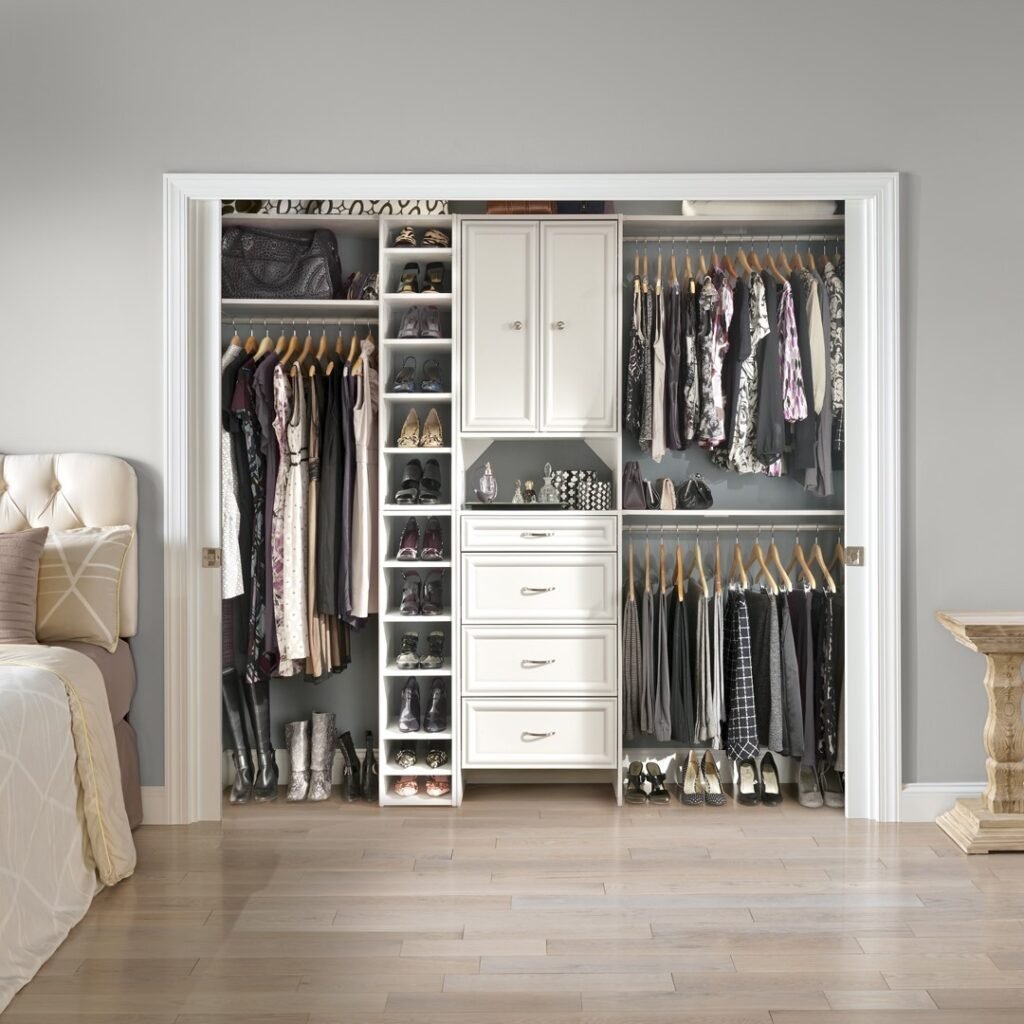
Organize the closet in the same order you get dressed. Put everyday tops, bottoms, and workwear within the easiest reach. Keep shoes, belts, and bags near the area where you naturally choose them. Formal clothes and backup items can sit farther away.
This small change cuts down on searching because the closet follows your routine. In a narrow space, these tiny closet organizing hacks can help you create useful zones without adding bulky furniture or blocking the doorway itself.
Practical note: Arrange clothing in the order you normally get dressed. Keeping underwear, tops, bottoms, accessories, and shoes along one simple route can reduce searching and make rushed mornings feel much easier..
20. Reserve Eye-Level Space for Weekly Favorites
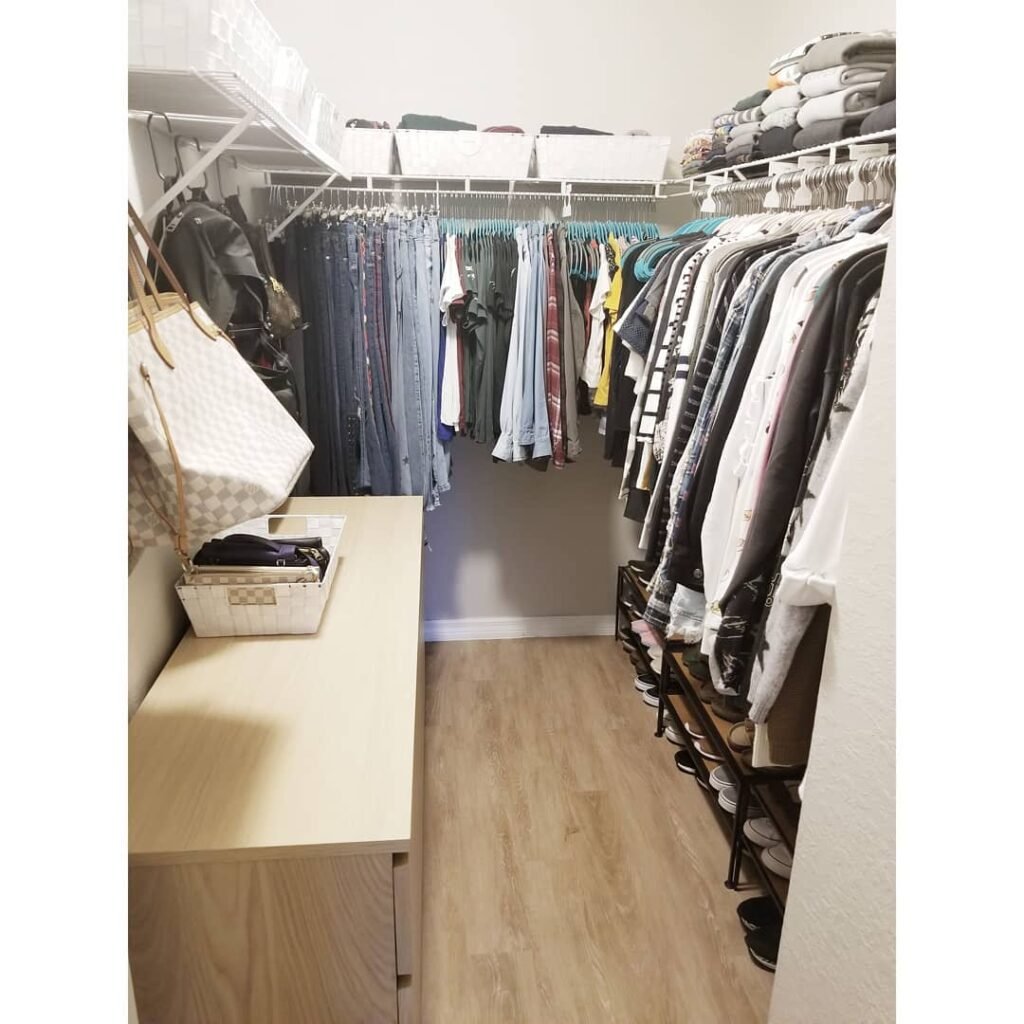
The center of your closet is valuable because it is the first area you see. Use it for clothing you wear every week, not items you are saving for someday. Move rarely used pieces higher, lower, or toward the back.
Try choosing ten to fifteen reliable pieces for this front-row zone. You will build outfits faster and notice immediately when laundry needs attention. Refresh the selection when the weather, school schedule, work routine, or lifestyle changes throughout the year ahead.
Quick tip: Use eye-level shelves and the center of the hanging rail for the clothes you wear most often. Move special-event outfits, backup items, and out-of-season pieces to less accessible areas.
21. Turn One Side Wall Into an Accessory Station
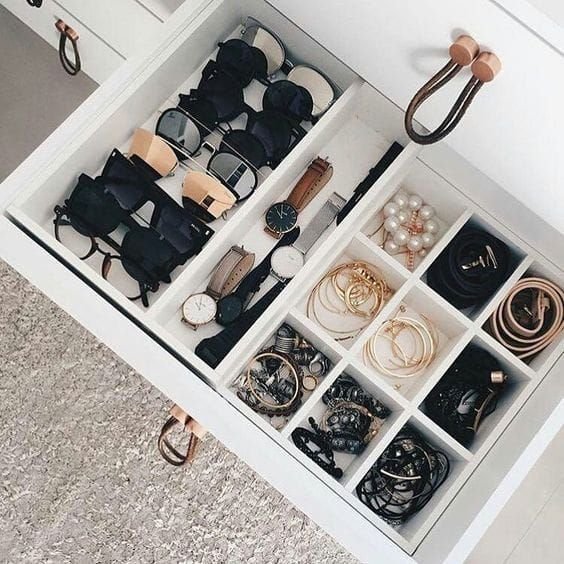
A blank side wall can hold items that usually disappear into drawers. Add a narrow rail, a small pegboard, or a row of low-profile hooks for scarves, necklaces, caps, and lightweight bags. Keep each category in its own section.
Measure the door swing and clothing clearance before installing anything. The goal is to add storage without creating a snagging hazard. For more layout inspiration, explore these space-saving closet wall storage ideas before choosing hardware for your own closet setup.
Practical note: Test adhesive hooks before installing permanent hardware. Hang a few accessories for one week to confirm that bags, scarves, and belts do not interfere with clothing or the closet door.
22. Split Tall Shelves With Removable Risers
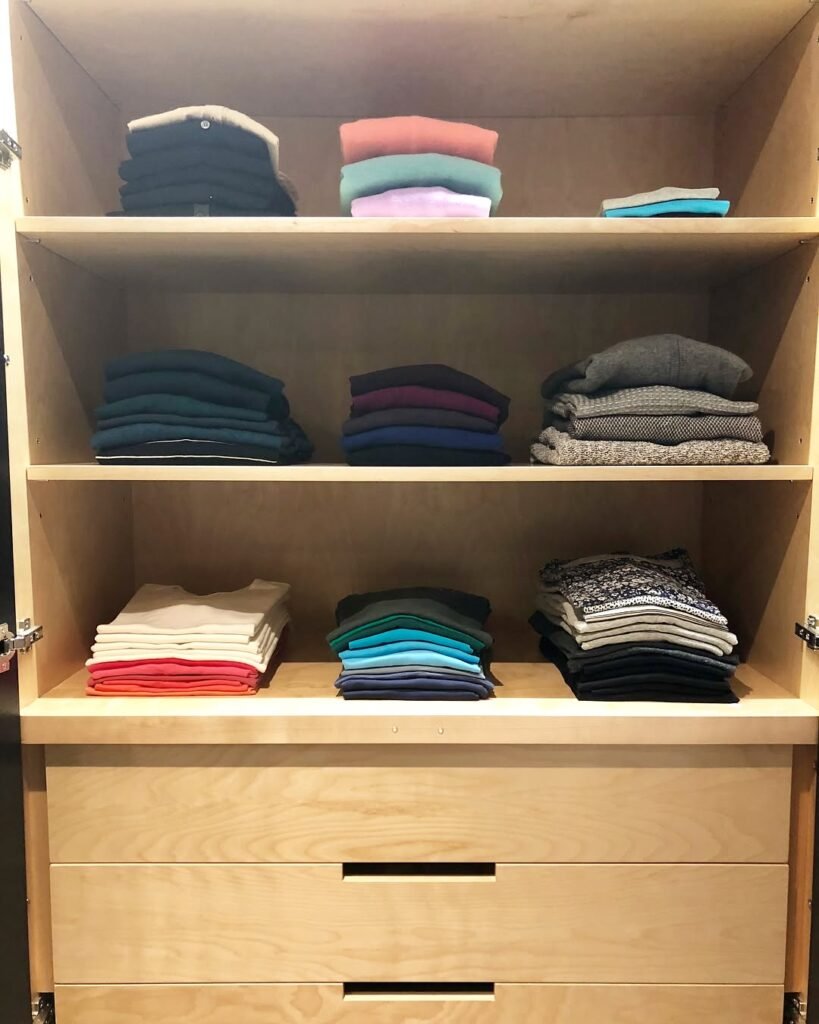
Tall shelves often waste space above short stacks of clothing. A removable shelf riser creates a second level for sweaters, jeans, handbags, or small bins. It also prevents one unstable pile from becoming a weekly mess.
Choose risers that fit the shelf depth and leave enough room to lift items out comfortably. Place heavier pieces on the lower level and lighter pieces above. Since the setup is removable, you can adjust it when your wardrobe changes or when seasonal items return.
Quick tip: Measure the shelf height, width, and depth before buying risers. Leave enough open space above each level so folded clothing and storage baskets can be removed without knocking over nearby stacks.
23. Keep Complete Outfits Together
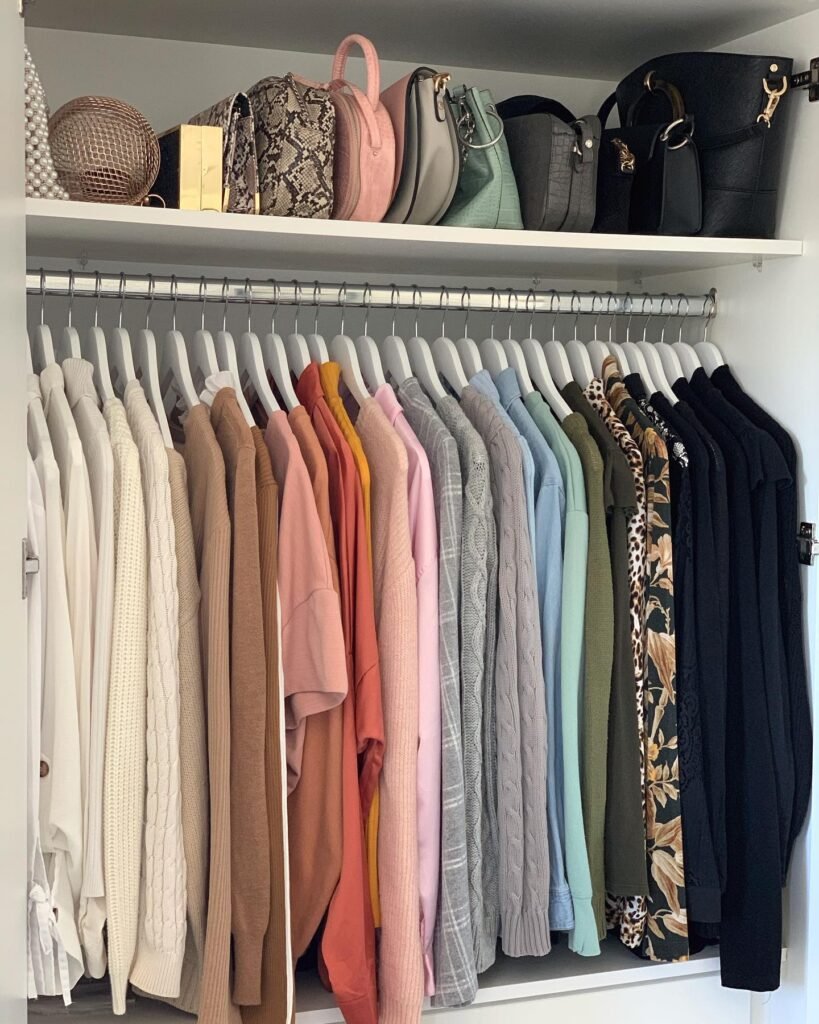
Some clothes are easy to store but hard to style. Solve that problem by grouping ready-to-wear outfits together. Hang a jacket with the shirt beneath it, clip matching trousers to the same hanger, or place a small outfit card on the hook.
This works especially well for school mornings, work uniforms, travel days, and special events. Prepare three to five combinations at a time rather than pairing your entire wardrobe. The system stays flexible while removing daily decision fatigue too.
Quick tip: Prepare three complete outfits at the beginning of each week. Hang matching pieces together and add accessories nearby so you can get dressed quickly without searching through several different closet sections.
24. Rotate Seasonal Clothing Before Space Runs Out
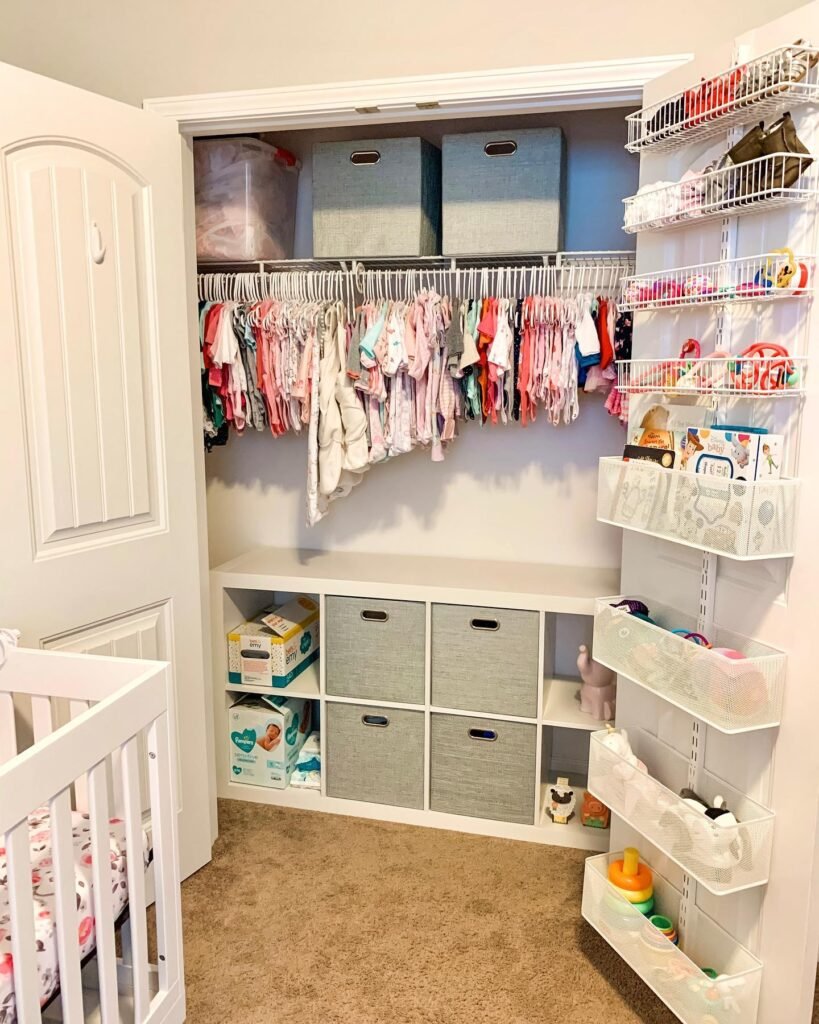
Do not wait until the closet is packed to rotate seasonal clothing. At the start of warmer or cooler weather, remove pieces that will not be worn for several months. Clean them first, then store them in dry, clearly marked containers.
Keep transitional layers available because weather can change quickly. Bulky coats often need their own plan, so these coat closet organization ideas can help free up bedroom closet space while keeping outerwear easy to grab comfortably each day.
Practical note: Wash and dry seasonal clothes completely before storing them. Label each container with its contents and season so you can find sweaters, swimwear, or holiday clothing without opening every box..
25. Give Folded Extras a Defined Home
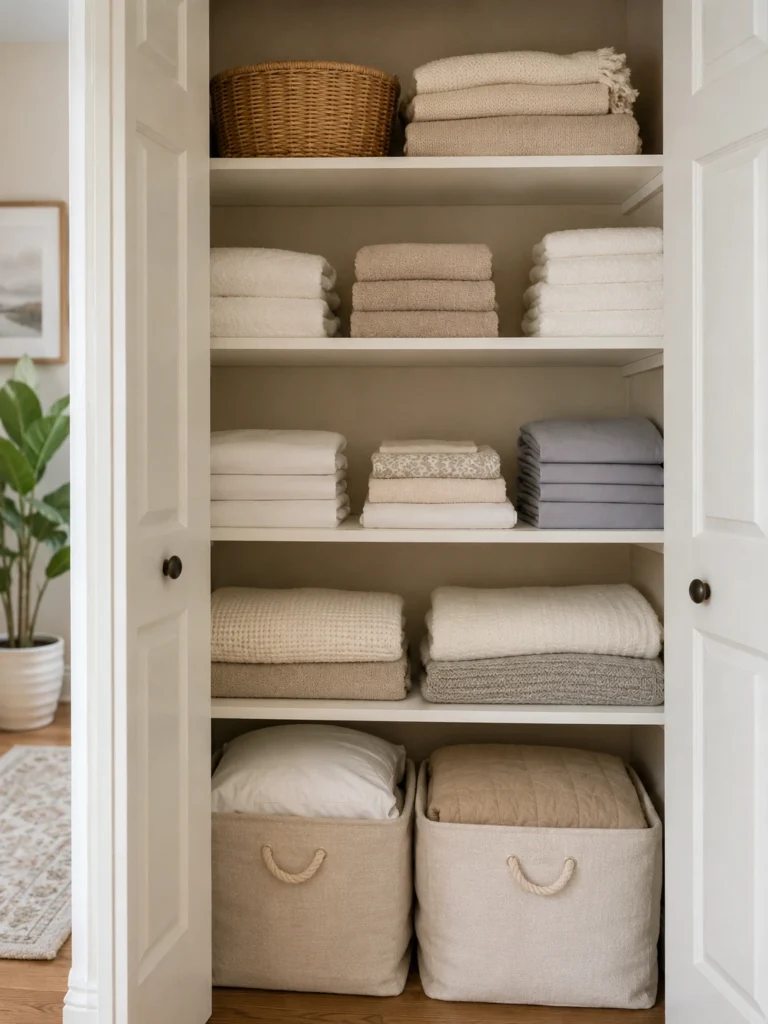
Closets often collect extra towels, sheets, blankets, and guest supplies without a clear system. Use one shelf or a set of soft-sided bins for these items. Label by purpose, such as guest bedding, spare towels, or winter blankets.
Fold each category to a consistent size so stacks stay stable. Avoid filling every inch because tightly packed linens are frustrating to remove and replace. These smart linen closet organizing ideas offer more ways to manage household extras without mixing them into clothing zones.
Quick tip: Assign one shelf or basket to each type of household linen. Keeping guest sheets, spare towels, and extra blankets separate prevents these bulky items from spreading into your everyday clothing storage.
26. Give the Closet Floor One Main Job
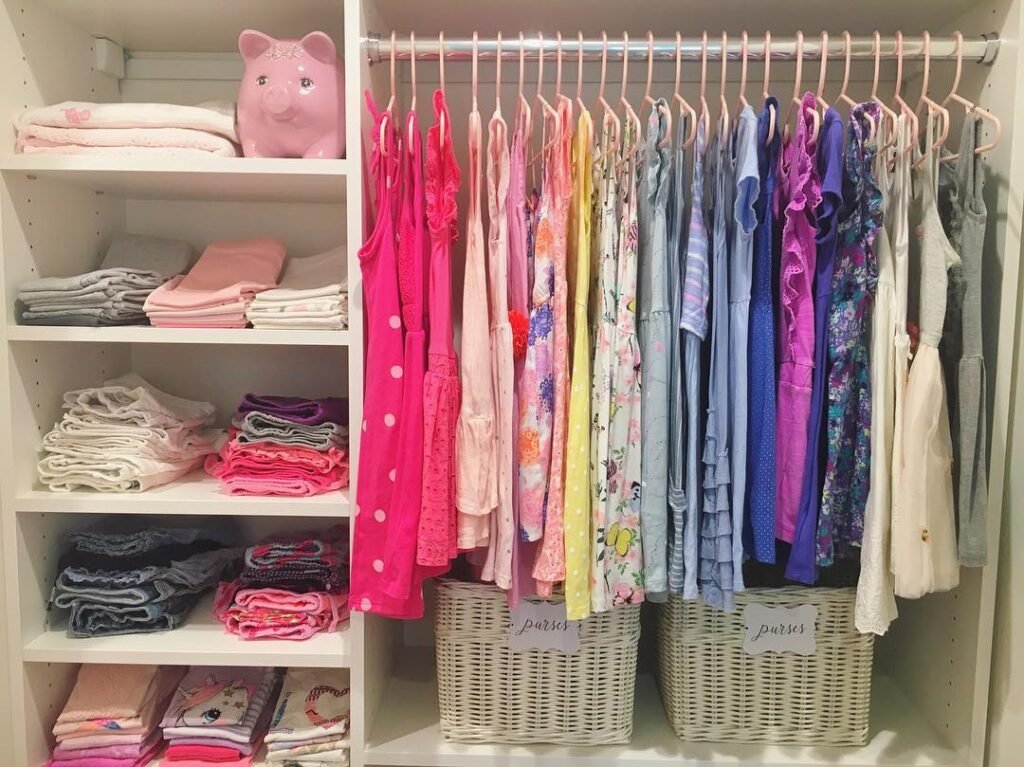
The floor becomes messy when it is expected to hold shoes, laundry, bags, boxes, and random purchases at the same time. Choose one main purpose for it, such as daily shoes or a rolling drawer unit, and move everything else elsewhere.
Leave a small open strip so you can clean the floor and reach the back corners. If shoes are the priority, limit the area to pairs worn during the current season. Store occasional footwear above or outside the closet.
Practical note: Decide whether the closet floor will primarily hold shoes, drawers, or a laundry basket. Limiting it to one main purpose makes the area easier to clean and prevents random items from collecting there.
27. Add a Small Put-Away Basket
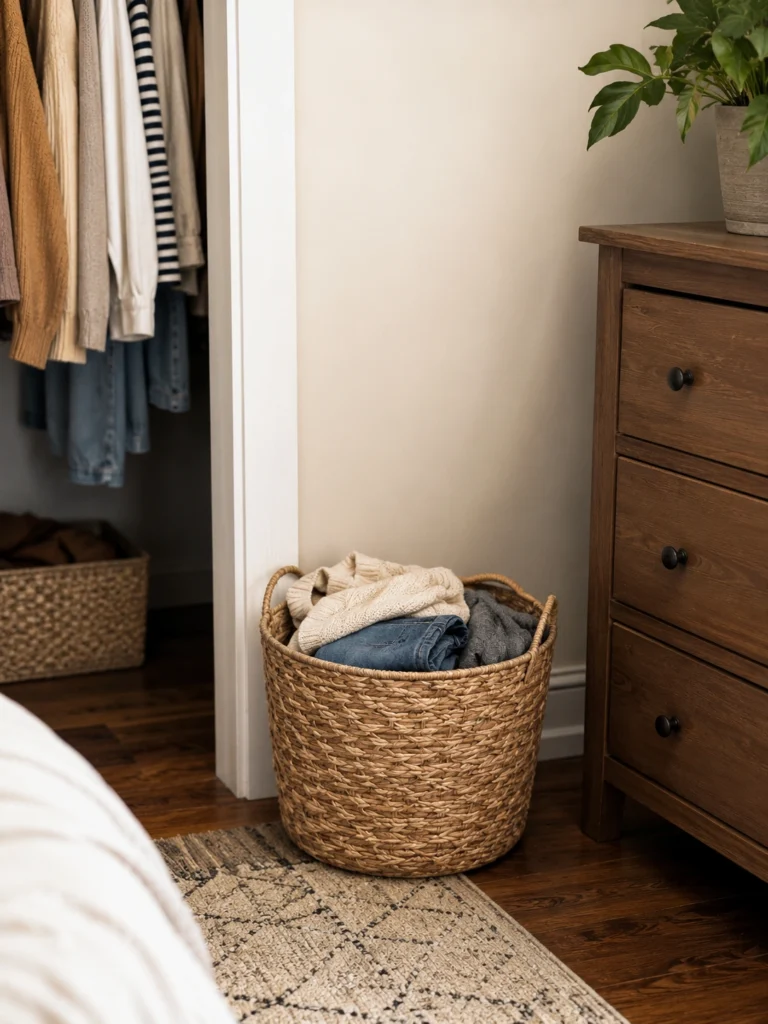
Clothes often end up on a chair because returning them immediately feels inconvenient. Place a small basket near the closet for clean items that need to be hung, folded, repaired, or returned to another room.
The basket is a temporary landing spot, not permanent storage. Empty it on a set day each week so it never becomes a second laundry pile. This simple buffer keeps the closet tidy even during busy days and gives loose items one predictable place to wait.
Quick tip: Choose a basket that is intentionally small. A limited size encourages you to empty it regularly and stops clean clothing, repairs, and misplaced accessories from turning into another permanent clutter pile..
28. Separate Hobby Supplies From Everyday Clothes
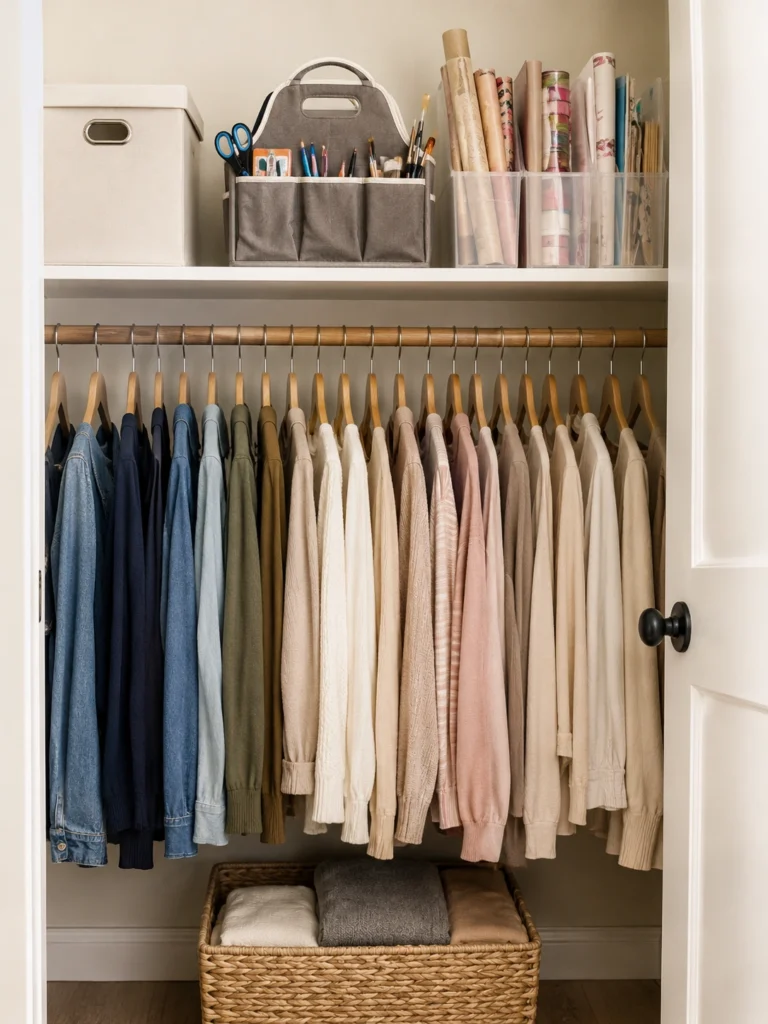
Craft materials, gift wrap, photo supplies, and keepsakes can quietly take over clothing storage. If they must share the closet, place them in a removable caddy or a clearly defined upper-shelf zone. Avoid scattering small supplies between clothing categories.
Keeping hobby items together makes them easier to remove when you need the full work surface. It also protects clothes from glue, ink, and loose tools. For a larger setup, these craft closet organization ideas show how to create dedicated storage without losing visibility.
Practical note: Store craft or hobby materials in closed, labeled containers. This protects clothing from dust, ink, glue, and small tools while making the entire supply collection easy to remove when needed.
12. Use Slim Hangers With Simple Spacing Rules
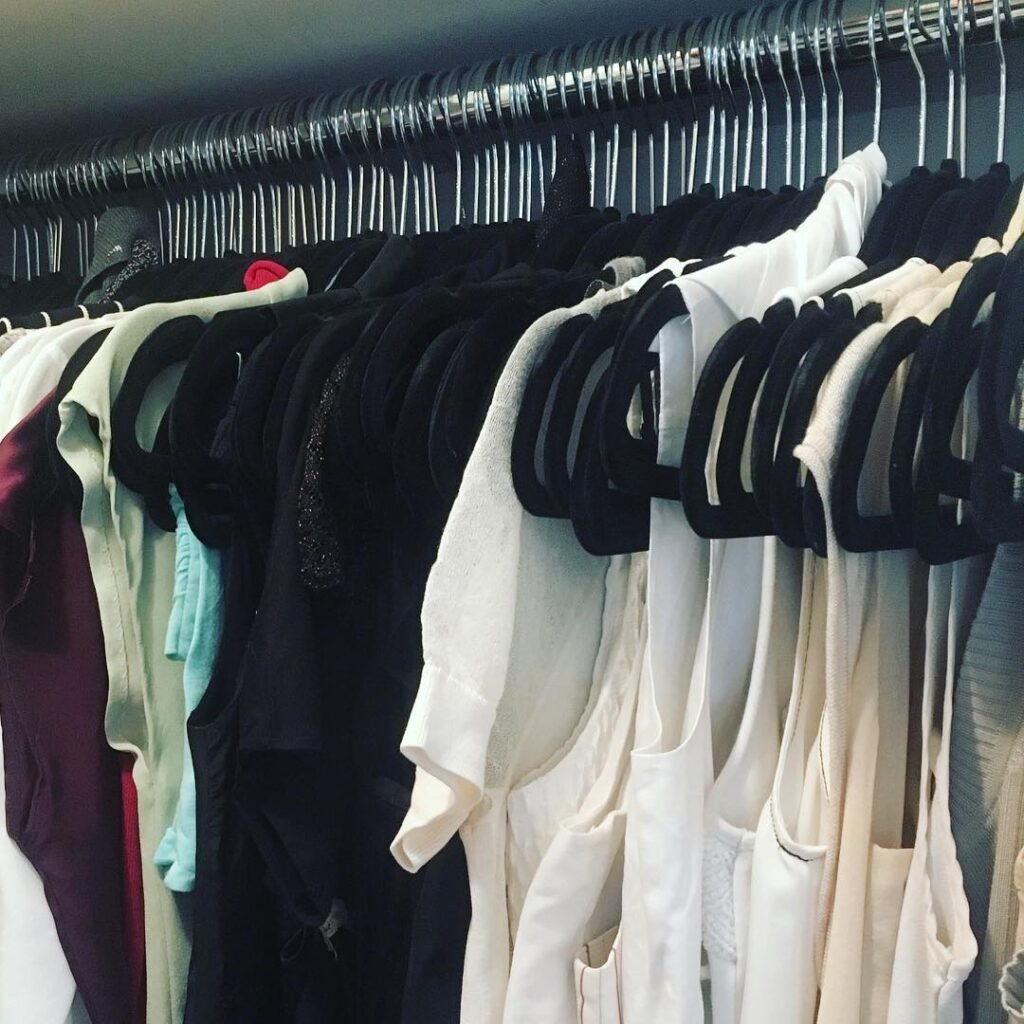
A consistent set of slim hangers makes the clothing rail easier to scan and reduces wasted gaps. Choose one hanger type that supports your garments without stretching shoulders or allowing delicate fabrics to slip.
Then set a spacing rule. Leave a small gap between clothing categories or use simple divider tags for workwear, casual pieces, dresses, and outer layers. The rail will stay more orderly because every item has a recognizable section, and missing hangers will show where returned clothes belong.
Quick tip: Replace bulky hangers gradually instead of purchasing a full set at once. Begin with the most crowded section, then use matching hangers and divider labels to create clear clothing categories.
29. Improve the Lighting Before Adding More Storage

A dark closet feels more crowded because you cannot see colors, labels, or back corners clearly. Add a battery-powered motion light, rechargeable light bar, or brighter nearby bulb before buying more containers.
Position the light so your body does not block it while you stand at the closet. Good visibility helps you use what you already own and prevents duplicate purchases. It also makes quick cleanups easier because misplaced items are obvious instead of hidden in shadowy corners during early mornings.
Practical note: Install a rechargeable motion light near the front or underside of a shelf. Test the position while standing in front of the closet to make sure your body does not block the light.
30. Protect Rarely Worn Clothes Properly

Special outfits should not compete with daily clothing for prime space. Clean them before storage, then place them in breathable garment bags. Avoid thin dry-cleaning plastic for long-term storage because it can trap moisture and crease fabrics.
Label each bag near the hanger hook so you know what is inside without opening it. Store formal pieces at one end of the rail where they will not be crushed by frequent movement. Check them every few months for dust, moisture, or loose seams.
Quick tip: Use breathable garment bags for formal clothing, delicate fabrics, and sentimental pieces. Add a visible label near each hanger so you can identify the item without repeatedly opening and handling the bag.
31. File-Fold Small Items You Usually Lose
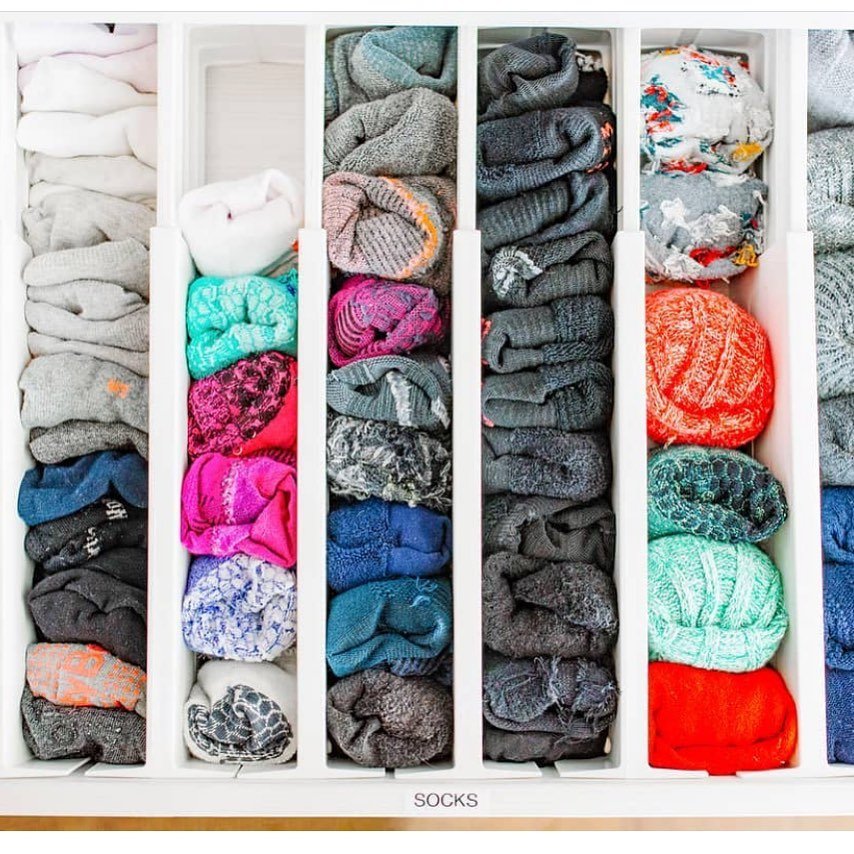
T-shirts, leggings, workout clothes, and pajamas are easier to see when folded upright inside a bin or drawer. Instead of lifting an entire stack, you can remove one item while the rest stay in place.
Do not force too many pieces into the container. Each item should slide out without pulling its neighbors forward. Group by use rather than color if that better matches your routine. A small label on the front helps other household members return items correctly too.
Practical note: Fold one clothing category at a time and place items upright rather than stacked. Leave a little space inside each drawer so pieces can be removed without disturbing the entire row..
32. Finish With a Five-Minute Weekly Reset
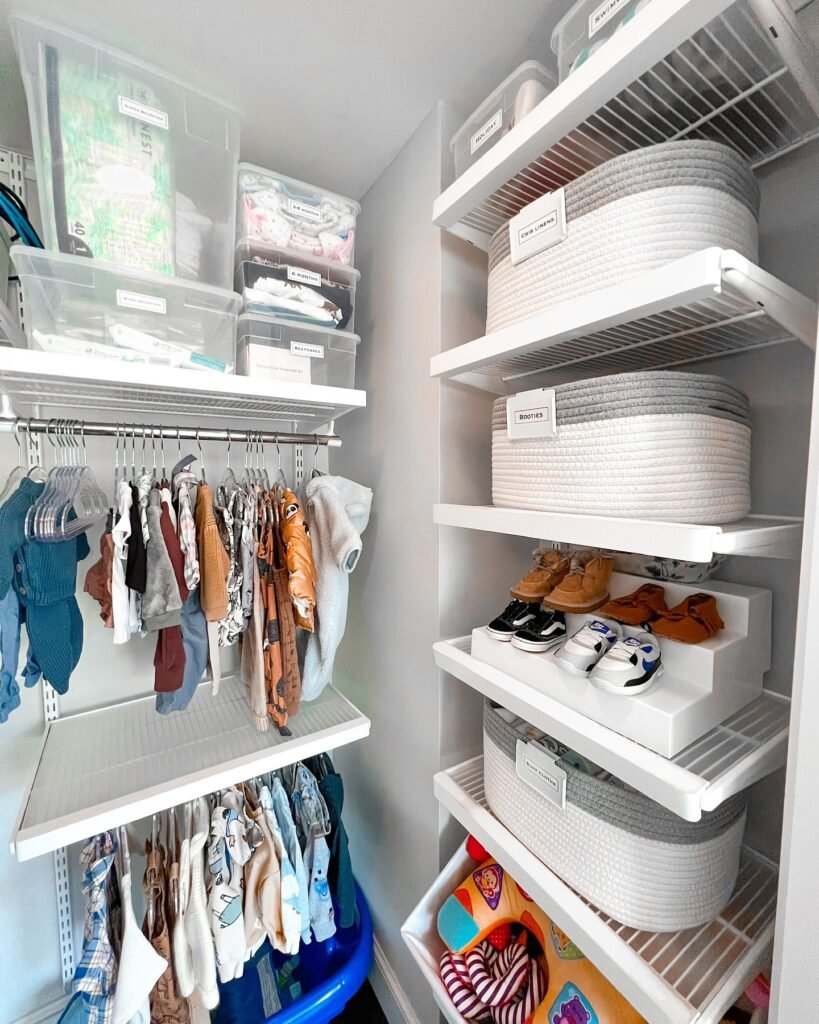
A closet stays organized through short resets, not occasional all-day cleanouts. Once a week, return empty hangers, put away clean clothing, remove stray items, and straighten the busiest shelf. Stop after five minutes unless you genuinely want to continue.
This habit catches small problems before they spread. Keep the reset tied to something you already do, such as putting away laundry or planning outfits for the week. Consistency matters more than creating a picture-perfect closet through every busy season ahead.
Quick tip: Set a five-minute timer after putting away laundry. Return empty hangers, straighten one shelf, clear the floor, and empty the put-away basket before small amounts of clutter become difficult to manage.
FAQs
How do I organize a closet with too many clothes?
Remove pieces that no longer fit, feel comfortable, or suit your routine. Move true off-season clothing elsewhere, then keep current favorites in the easiest areas. Organizers work best after the amount of clothing is realistic.
What belongs on the top closet shelf?
Use it for lightweight, occasional items such as seasonal clothing, spare bags, or special-event accessories. Store them in labeled containers and avoid heavy boxes that are difficult to lift safely.
Are bins or drawers better?
Drawers suit small clothing used often because they protect items from dust. Open bins work well for soft, casual categories that need quick access. Choose based on shelf depth and frequency of use.
How often should I reorganize my closet?
Do a short reset weekly and a deeper review two to four times a year. Seasonal changes are a good time to check fit, remove unused items, clean shelves, and adjust categories.
How can a small closet look less cluttered?
Keep one clear category in each area, leave the floor visible, and avoid overfilling shelves. Good lighting, consistent hanger heights, and a little open space also make the closet feel calmer.