23 Smart Kitchen Cabinet Storage Ideas for a Calmer Kitchen
Kitchen cabinets can look neat from the outside and still feel chaotic inside. One open door can reveal falling lids, hidden snacks, stacked pans, and jars you forgot you owned.
The good news is that you do not need a full kitchen makeover. These practical kitchen cabinet storage ideas will help you use the space you already have in a cleaner, smarter, and calmer way.
1. Give Every Cabinet One Clear Job
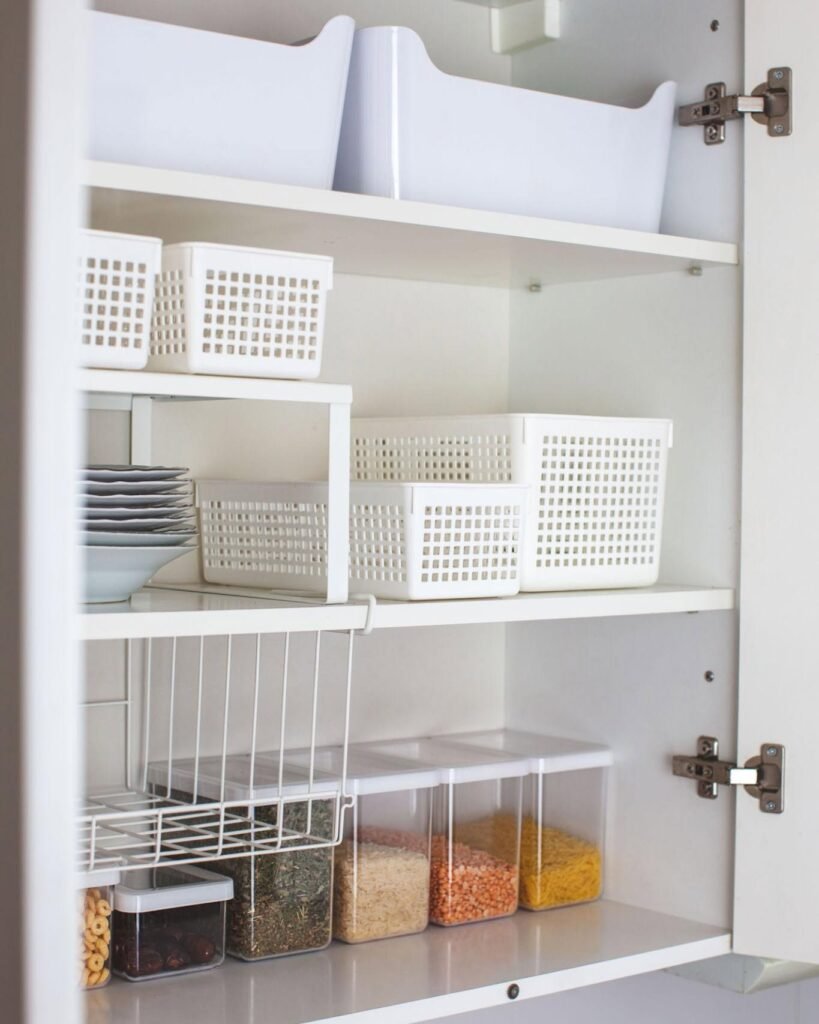
Start by choosing one purpose for each cabinet. Keep plates in one zone, baking items in another, and snacks somewhere easy to reach.
This simple rule prevents random clutter from spreading everywhere. For more everyday inspiration, these kitchen cabinet organizing hacks are a helpful place to start.
2. Add Shelf Risers for Short Items
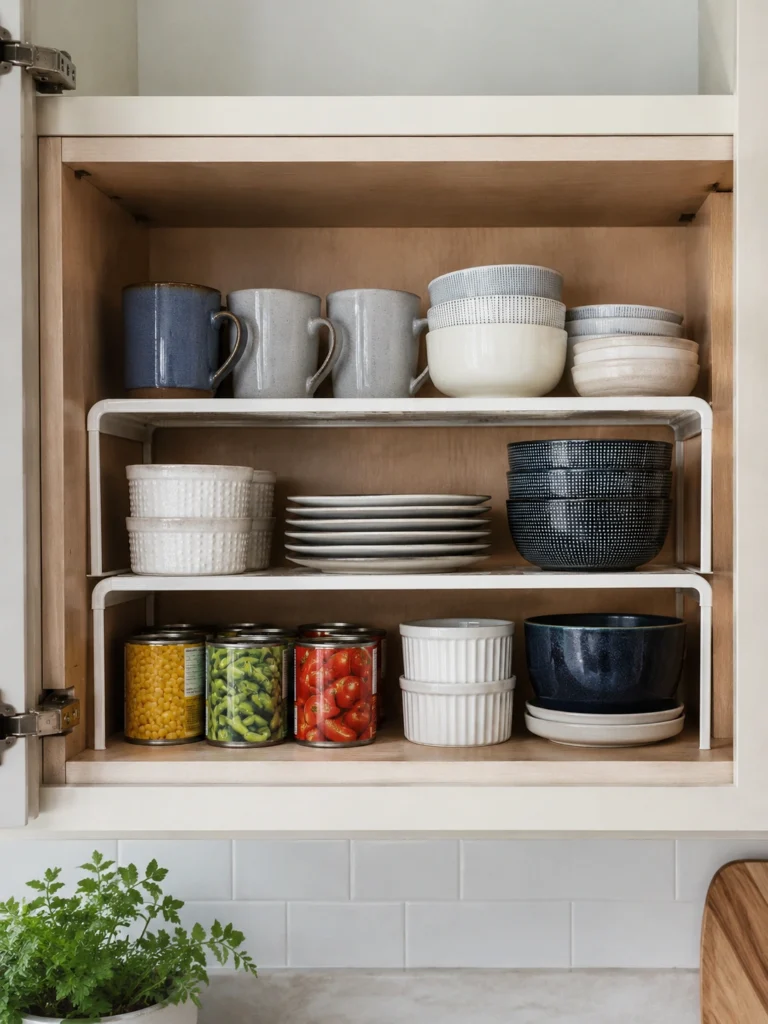
Shelf risers help when your cabinet has too much empty height. Use them for mugs, bowls, cans, ramekins, or small plates.
Instead of building one tall, wobbly stack, you get two neat levels. You can also browse these Amazon kitchen cabinet organizer finds for ready-made ideas.
3. Use Clear Bins for Snack Groups
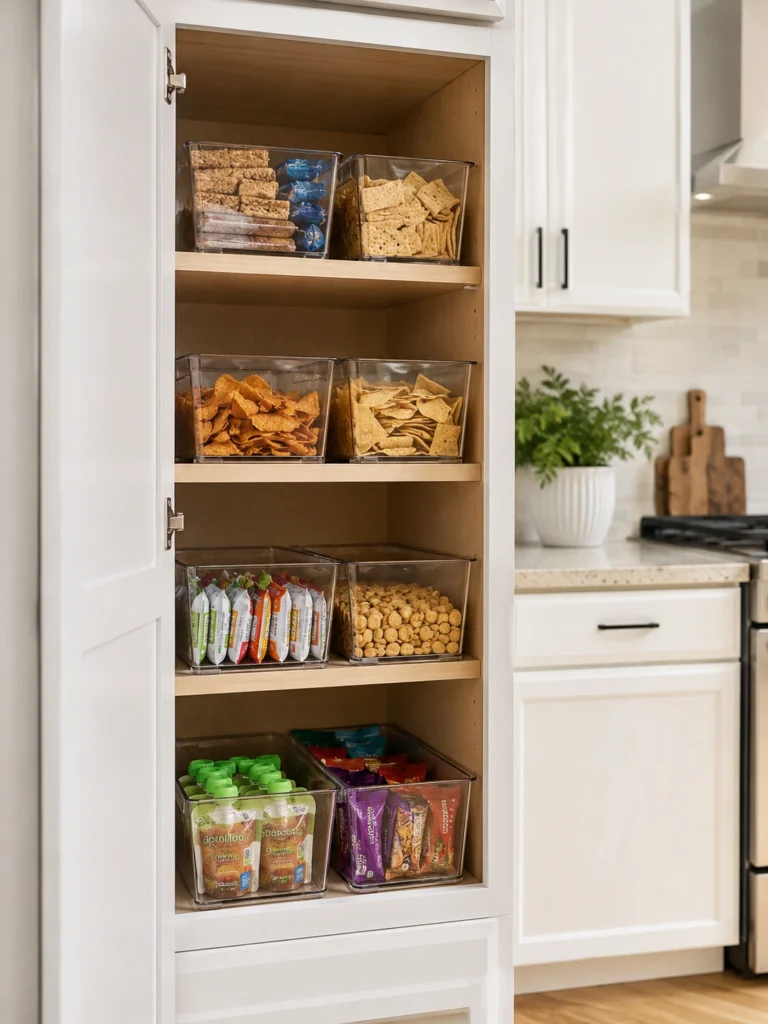
Snacks get messy quickly because every bag has a different size. Clear bins help you group bars, crackers, chips, lunchbox snacks, and treats.
This makes the cabinet easier for everyone to use. It also helps you see what is running low before your next grocery trip.
4. Turn Deep Cabinets Into Pull-Out Zones
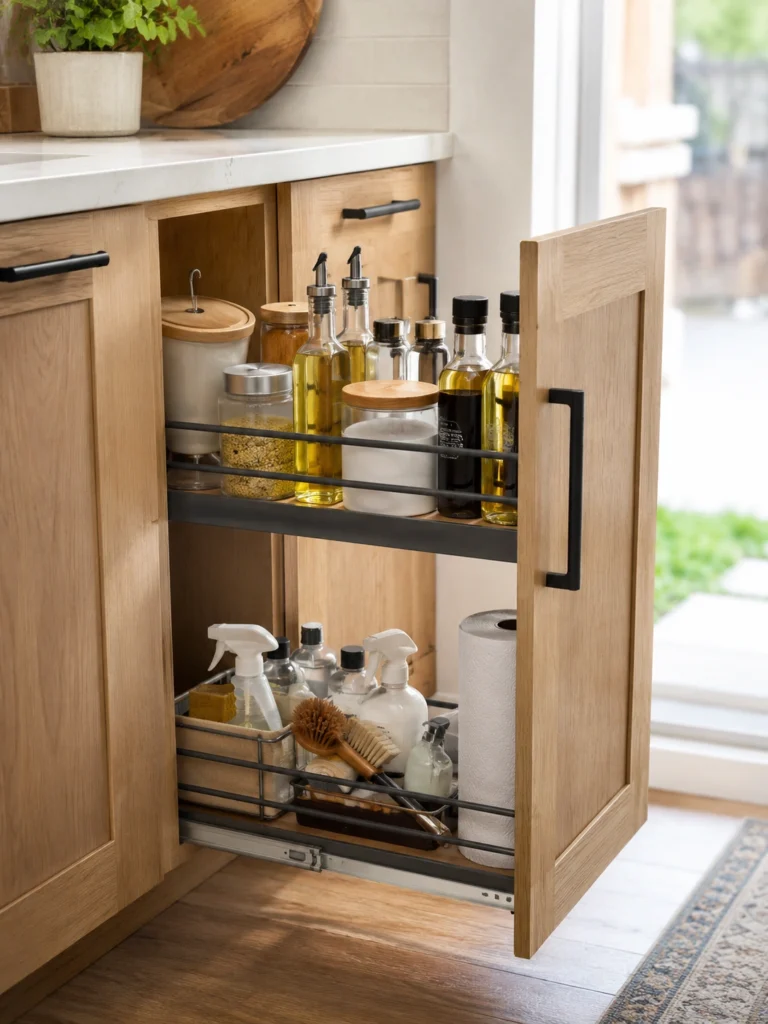
Deep cabinets are useful, but they often hide items at the back. A pull-out tray or sliding basket brings everything forward in one move.
Use this idea for oils, cleaning bottles, baking supplies, or heavy cookware. A simple DIY cabinet organizer for the kitchen can work well if you want a custom fit.
5. Store Baking Sheets Upright
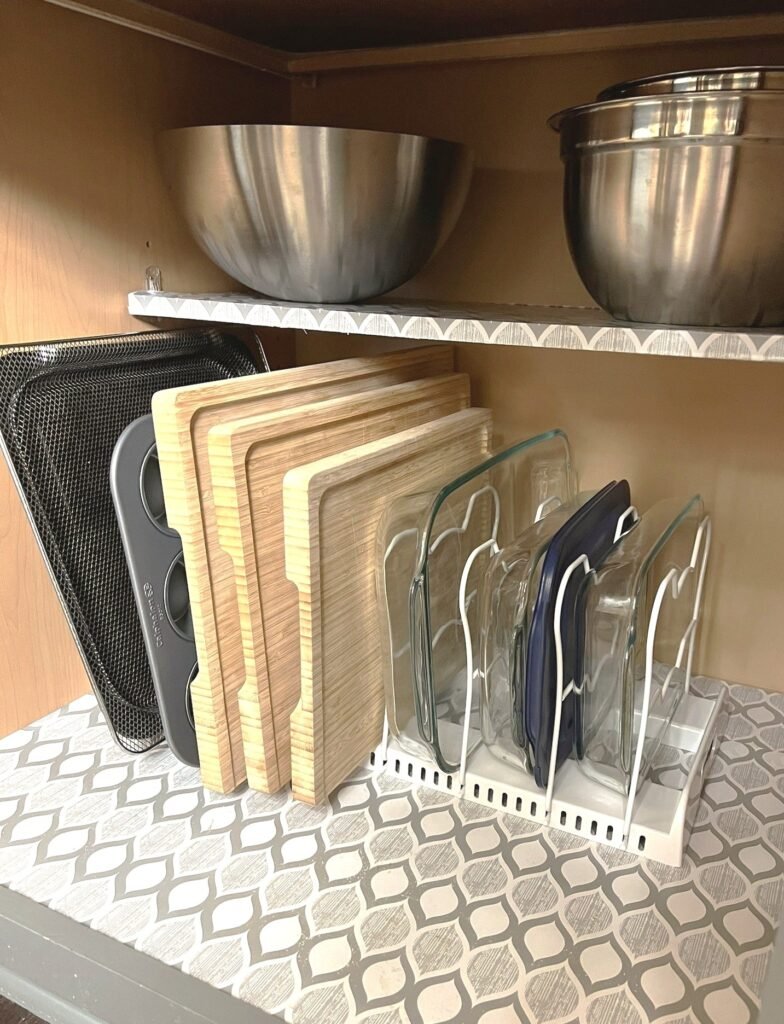
Baking sheets, cutting boards, muffin pans, and trays are easier to grab when stored vertically. Use a divider or file-style organizer inside a lower cabinet.
This stops the noisy pile of pans from sliding around. It also lets you remove one tray without lifting everything else.
6. Contain the Under-Sink Cabinet
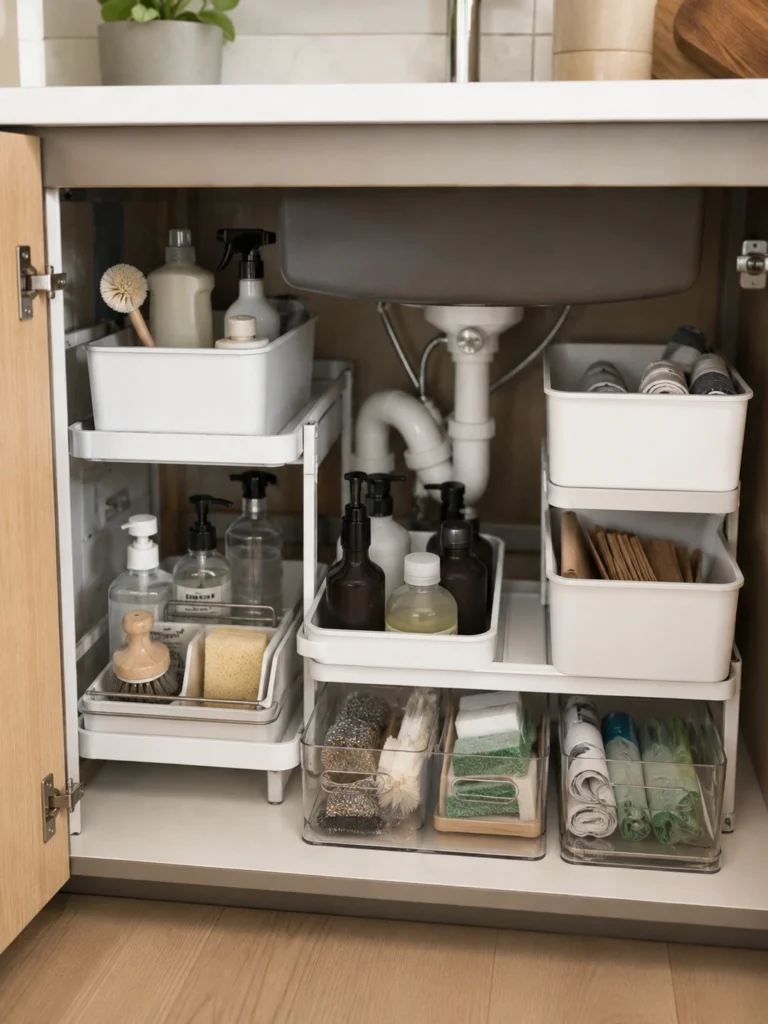
The under-sink area can become messy because bottles, sponges, bags, and refills all compete for space. Use a tray, caddy, and small bins to separate supplies.
If other cabinets in your home need the same treatment, these bathroom cabinet organization ideas can give you more storage inspiration.
7. Use the Inside of Cabinet Doors
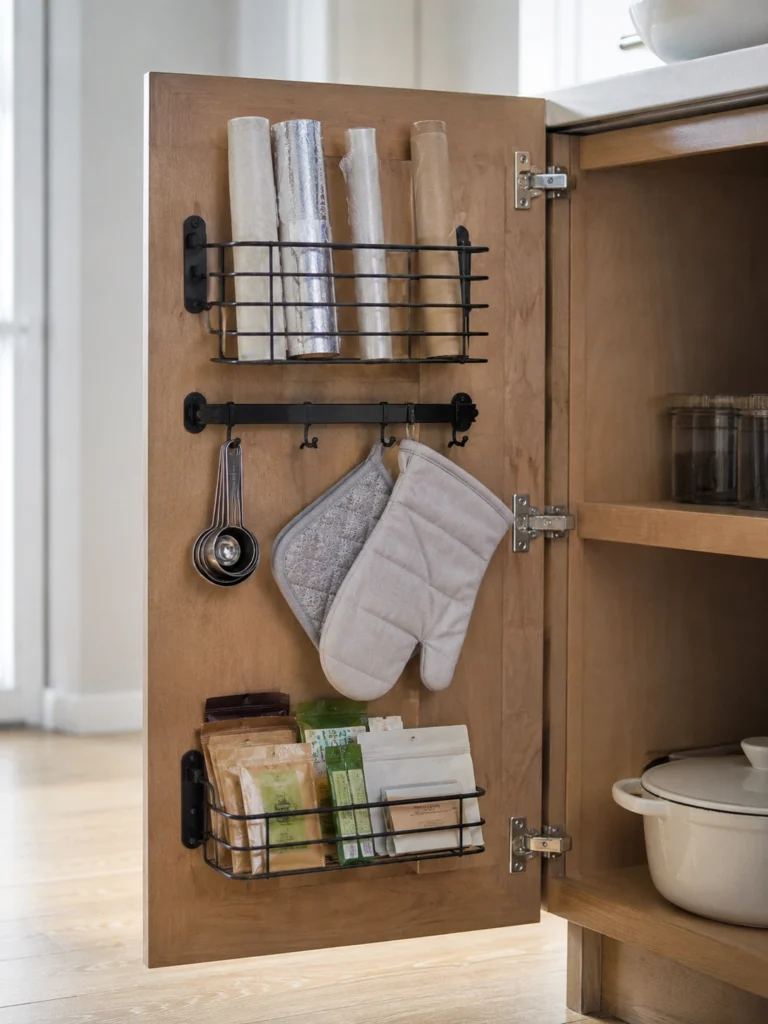
Cabinet doors are valuable storage space when used carefully. Add slim racks, hooks, or small baskets for wraps, pot holders, measuring spoons, or packets.
Keep items lightweight so the door closes smoothly. Always check the depth before attaching anything.
8. Place Turntables in Awkward Corners
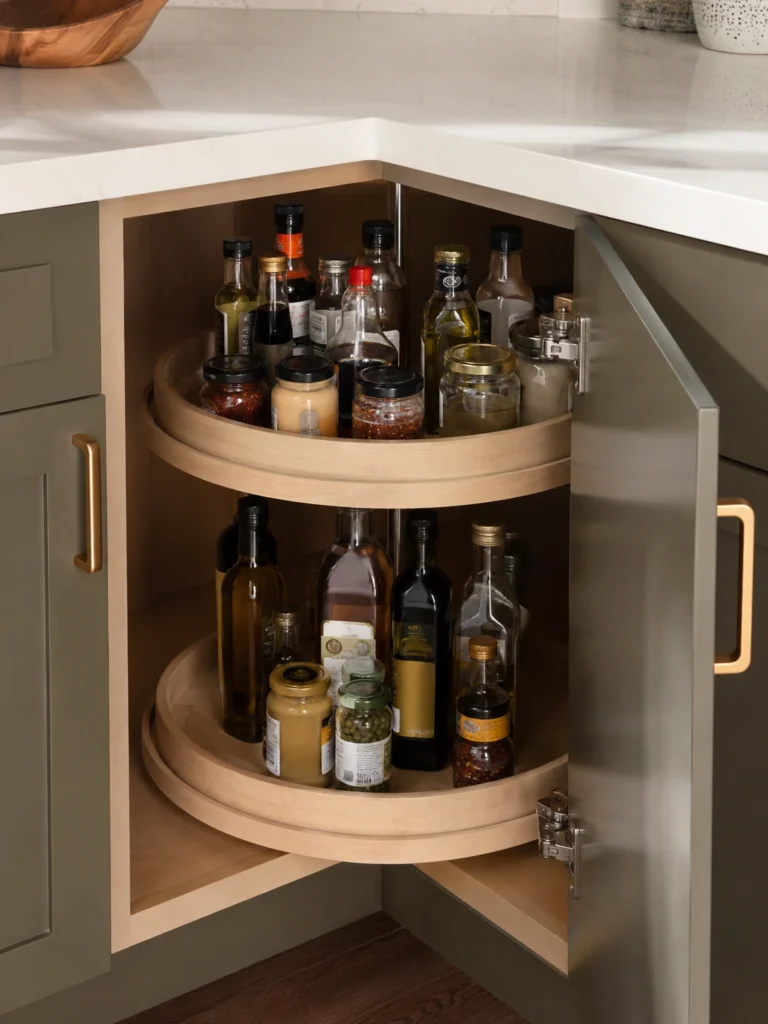
A turntable makes bottles and jars easier to reach. It works especially well for sauces, oils, vinegar, spreads, and baking extracts.
Choose one with a raised edge for taller cabinets. That small rim keeps items from sliding off while it spins.
9. Separate Food Containers and Lids
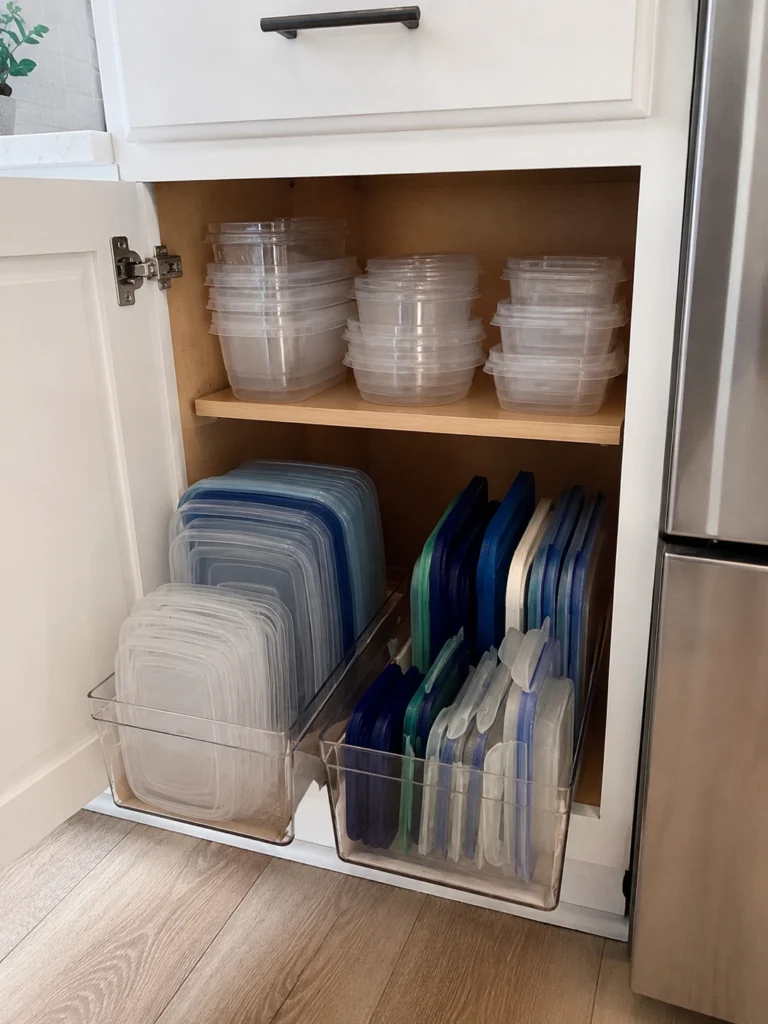
Food containers become frustrating when bases and lids are mixed together. Stack containers by shape and keep lids upright in a separate bin.
Only keep pieces that match and close properly. Extra mismatched lids are just taking up useful cabinet space.
10. Build a Morning Breakfast Cabinet
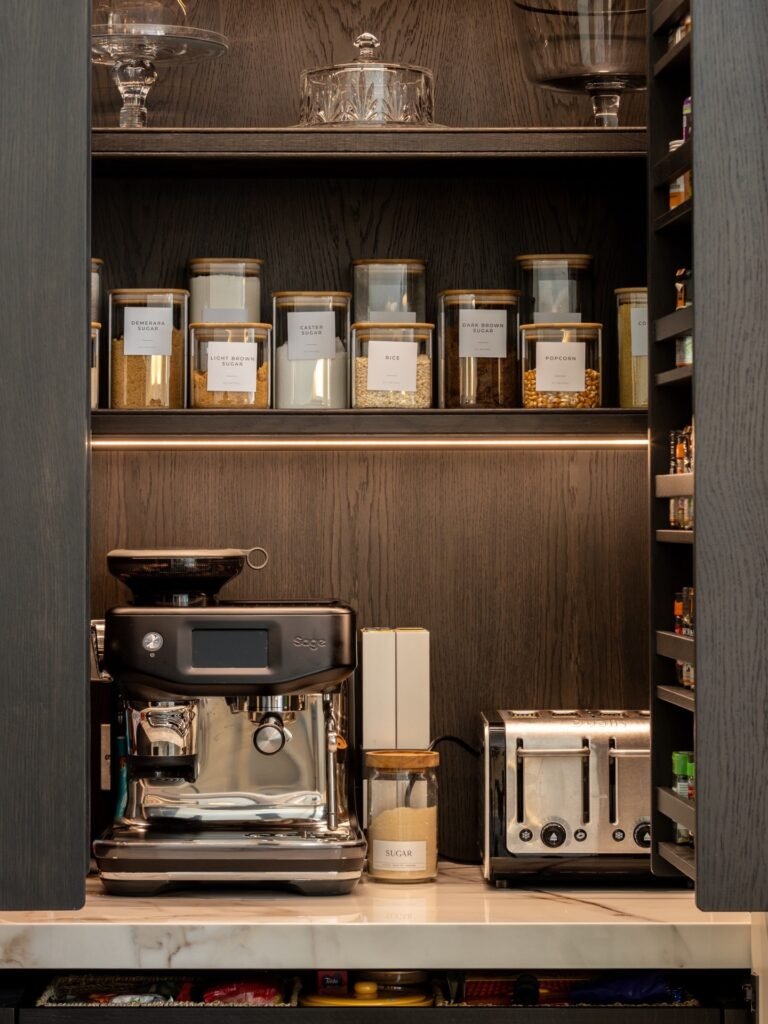
A breakfast cabinet can make mornings much smoother. Keep cereal, oats, coffee, tea, honey, nut butter, and favorite mugs in one spot.
This works well for busy families. Everyone can find the basics without opening five different cabinets.
11. Put Pantry Staples in Stackable Containers
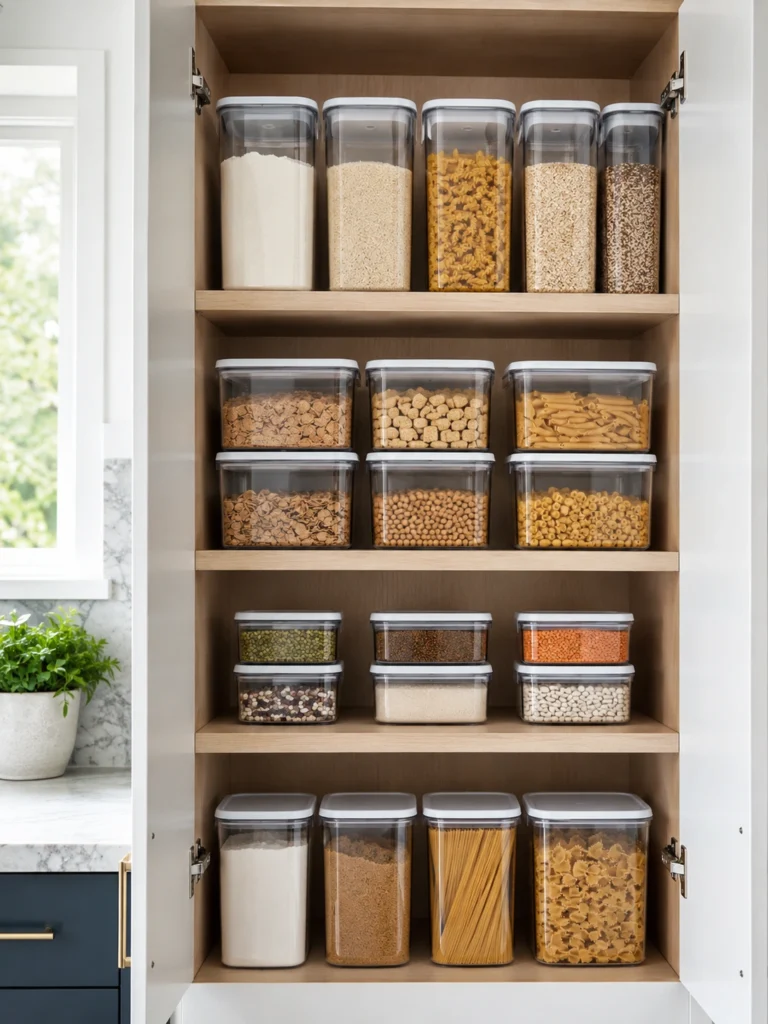
Dry staples are easier to manage when they are stored in containers that stack well. Try this for flour, rice, pasta, sugar, lentils, or cereal.
Use labels so nothing becomes a mystery. Clear containers also help you see when it is time to refill.
12. Create a Low Kids’ Cabinet
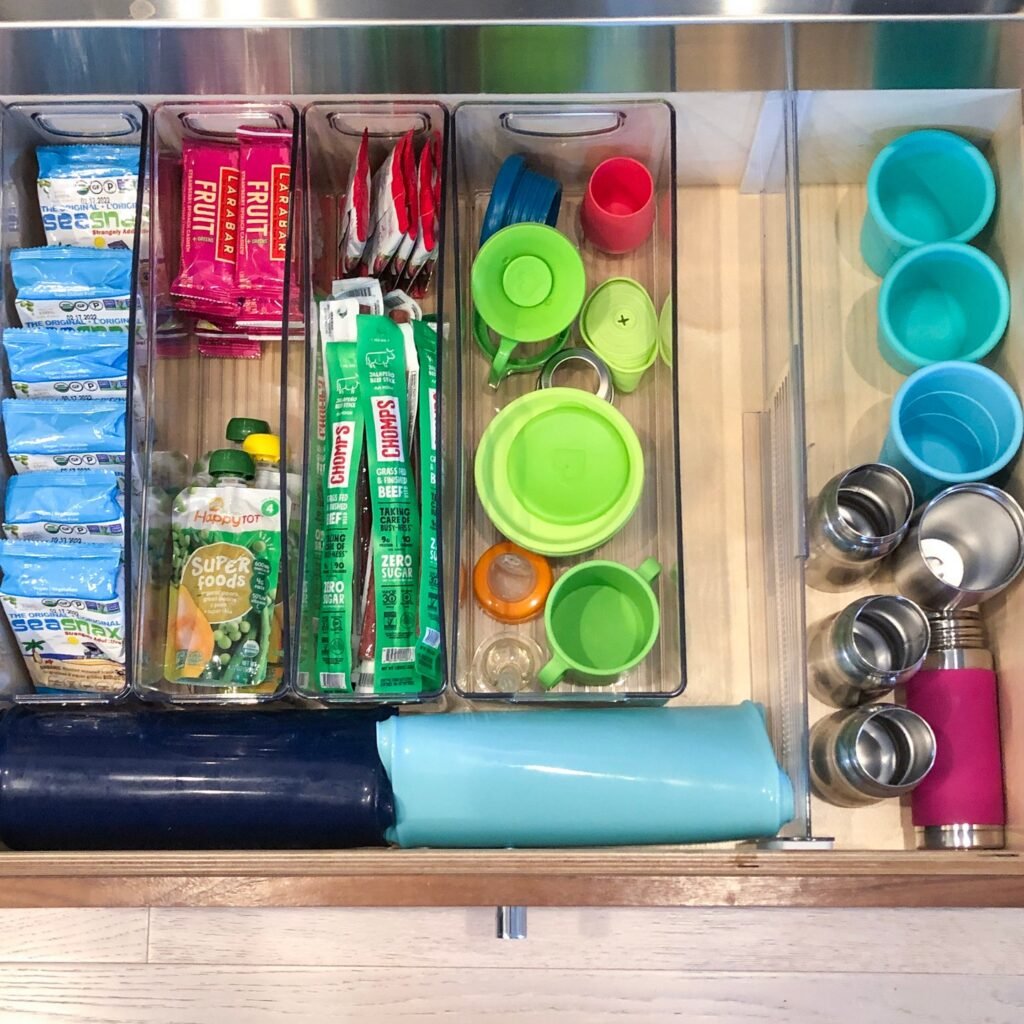
Give kids a safe lower shelf or cabinet for their own items. Store plastic cups, lunch containers, snack boxes, or small plates there.
This encourages independence and keeps them from climbing. It also makes lunch packing and snack time less chaotic.
13. Keep Heavy Cookware Down Low
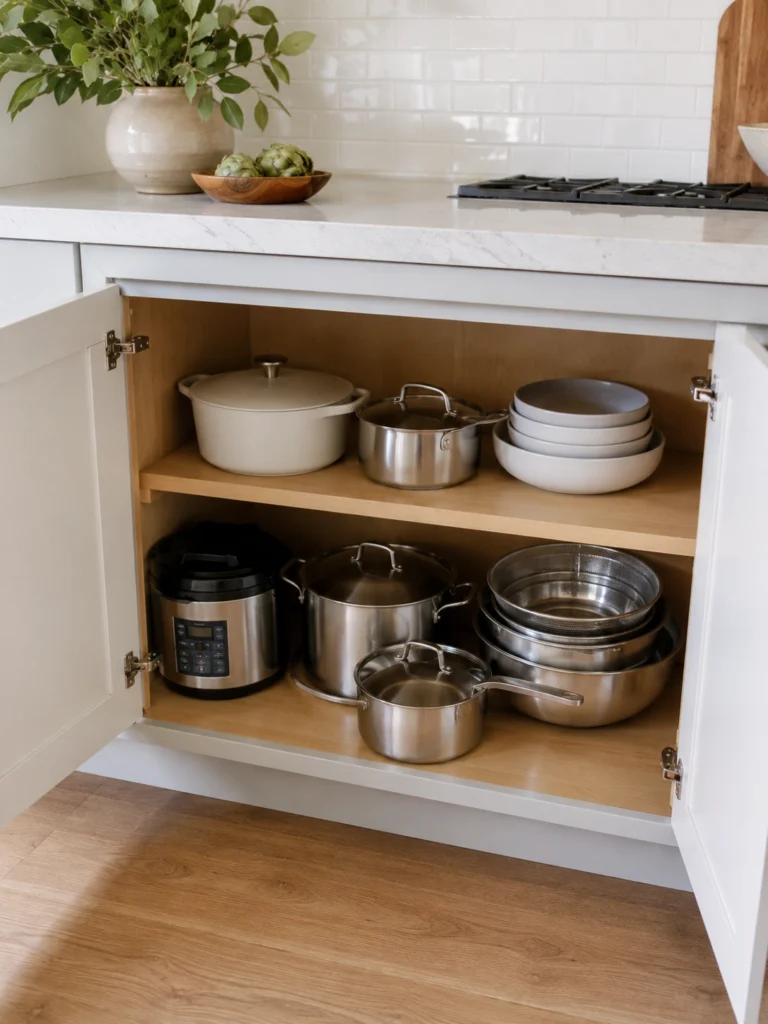
Heavy pots, Dutch ovens, mixing bowls, and appliances belong in lower cabinets. This keeps them safer and easier to lift.
Place your most-used cookware near the front. Occasional pieces can sit farther back as long as they are still reachable.
14. Make an Appliance Parking Spot
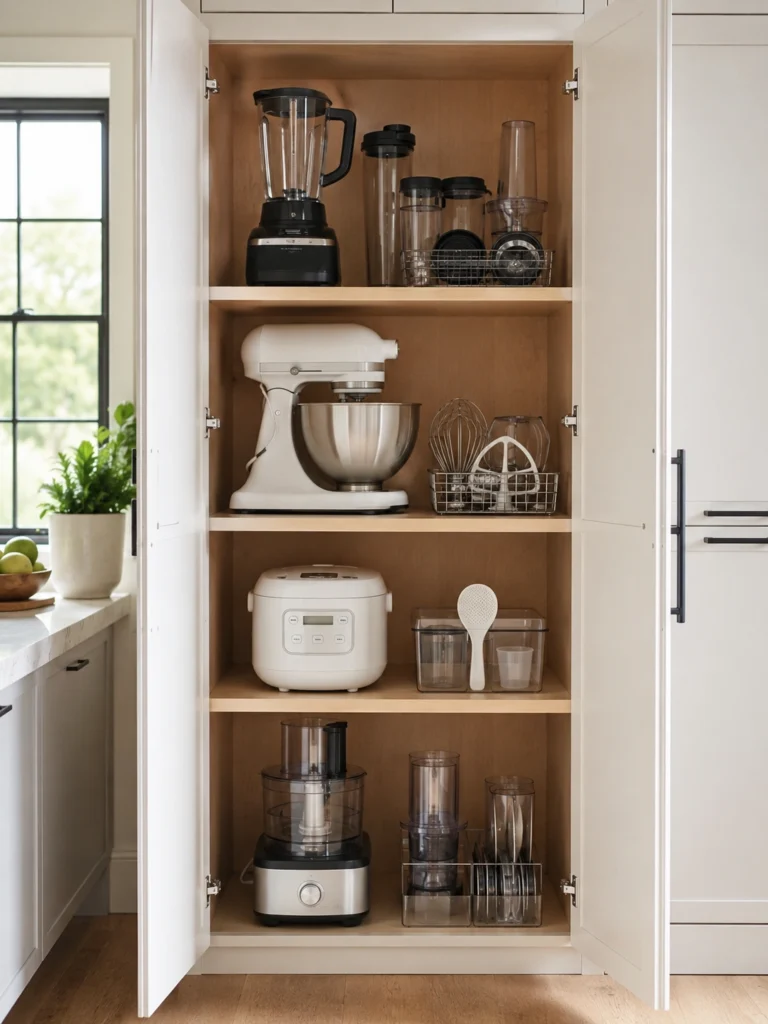
Small appliances can crowd countertops fast. Choose one cabinet for blenders, mixers, rice cookers, or food processors you use weekly.
Keep accessories with the appliance. For example, store blender cups beside the blender so nothing gets lost.
15. Use Removable Labels
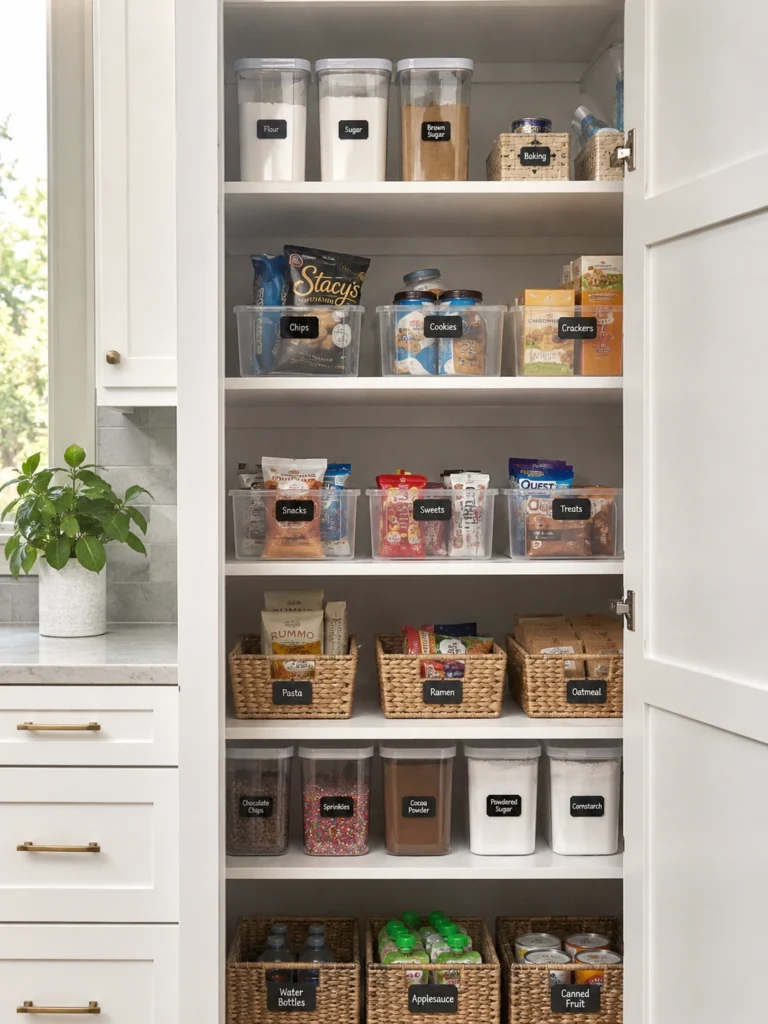
Permanent labels look neat, but they are not always flexible. Removable stickers, label clips, or chalk labels are better for changing categories.
Use them on snack bins, baking bins, and pantry baskets. This helps your system grow with your real routine.
16. Store Pot Lids Along the Side
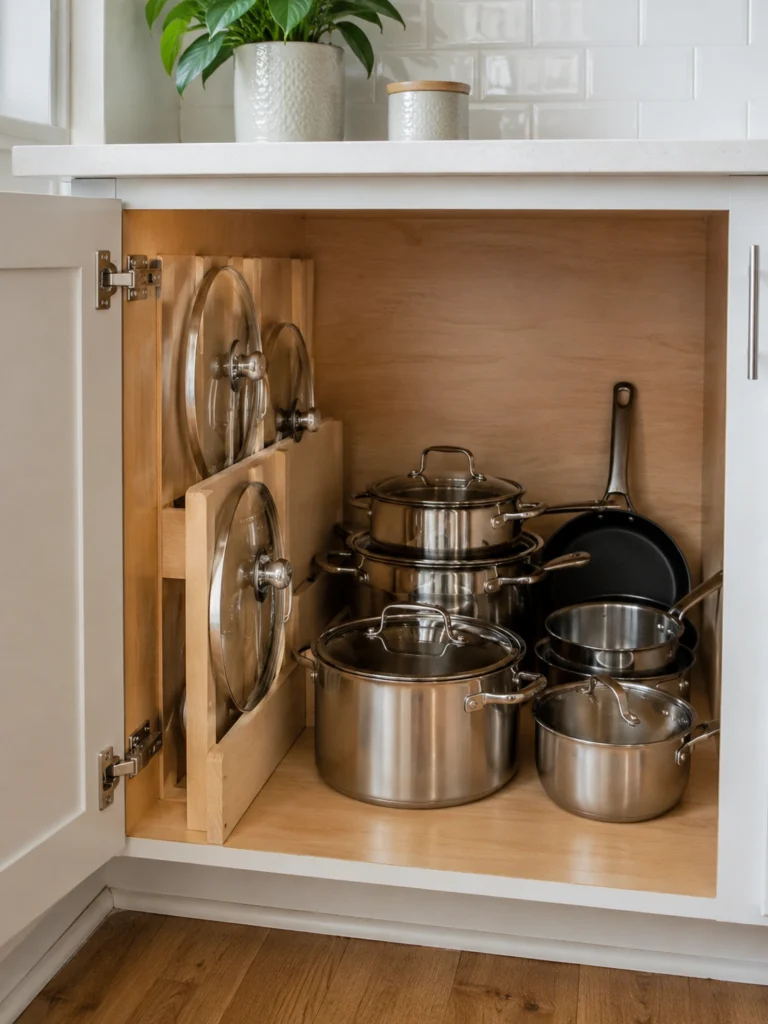
Pot lids waste space when they are stacked randomly. A side rack or narrow divider keeps them standing neatly.
This frees up the bottom of the cabinet for pots and pans. It also stops lids from clattering every time you open the door.
17. Create a Tea and Coffee Section
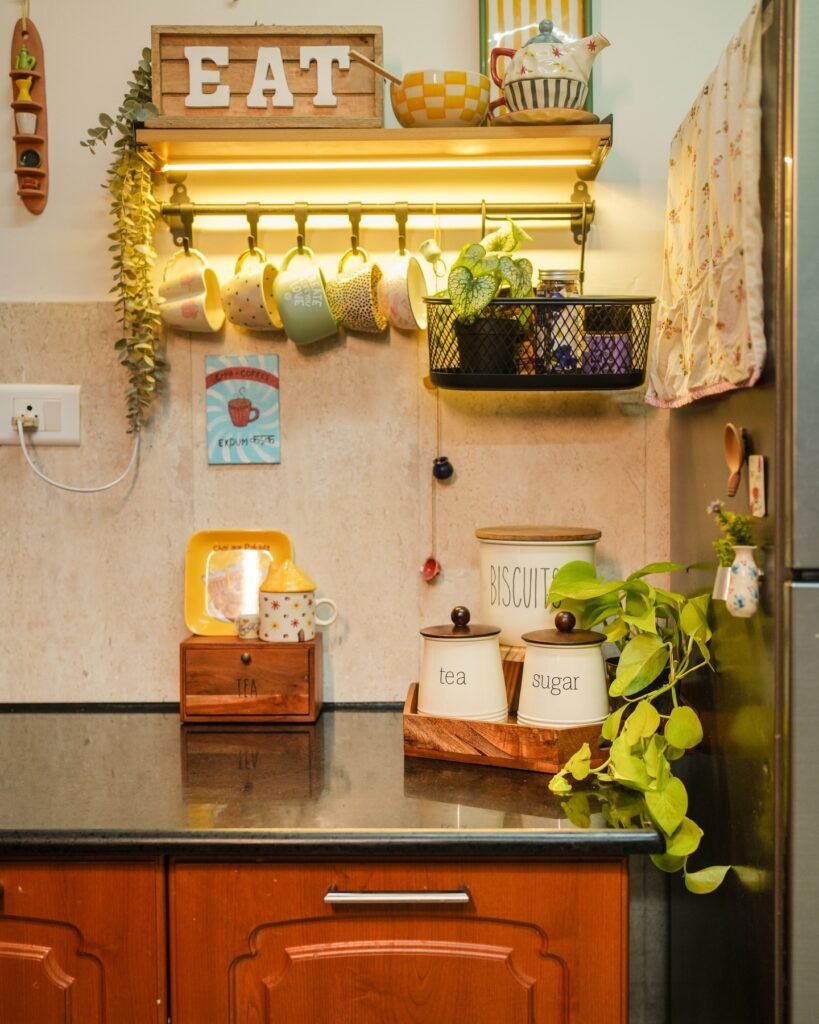
If you drink tea or coffee daily, give those supplies one small cabinet zone. Keep pods, tea bags, filters, sweeteners, and stirrers together.
Place the zone near your kettle or coffee maker. Small trays or open boxes keep everything visible.
18. Use Mini Drawers for Small Packets
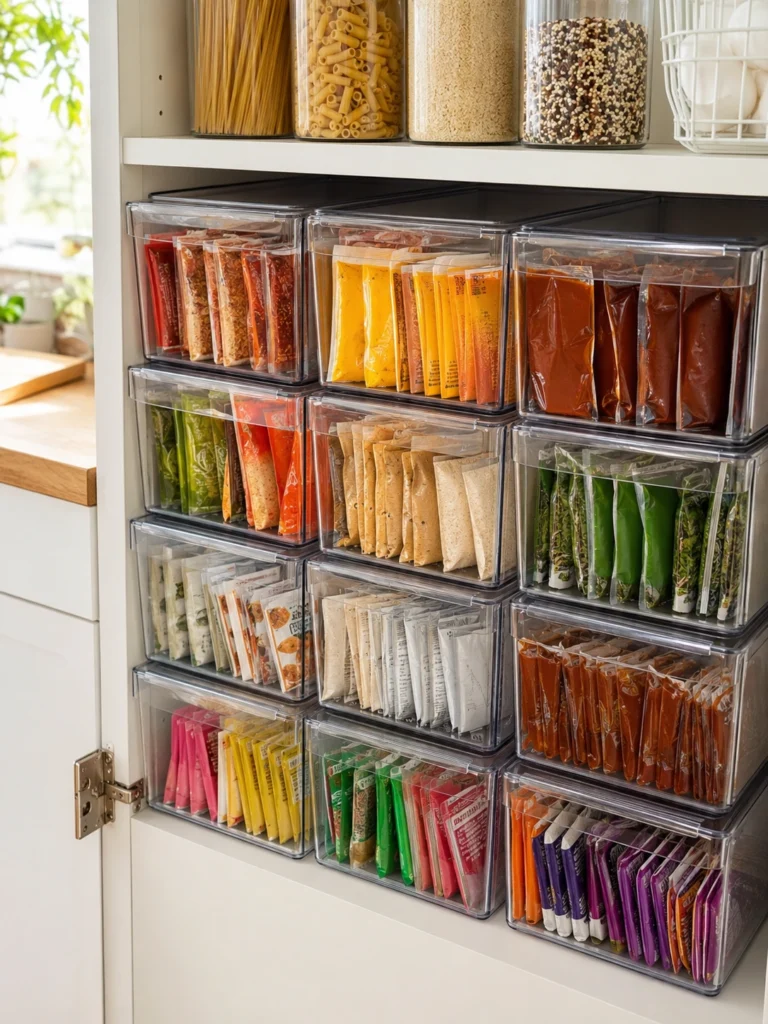
Tiny packets often disappear behind larger items. Mini stackable drawers work well for seasoning mixes, yeast, sauce pouches, and drink sachets.
Group similar packets together. Check them monthly so old packets do not sit forgotten in the back.
19. Move Rarely Used Items Higher
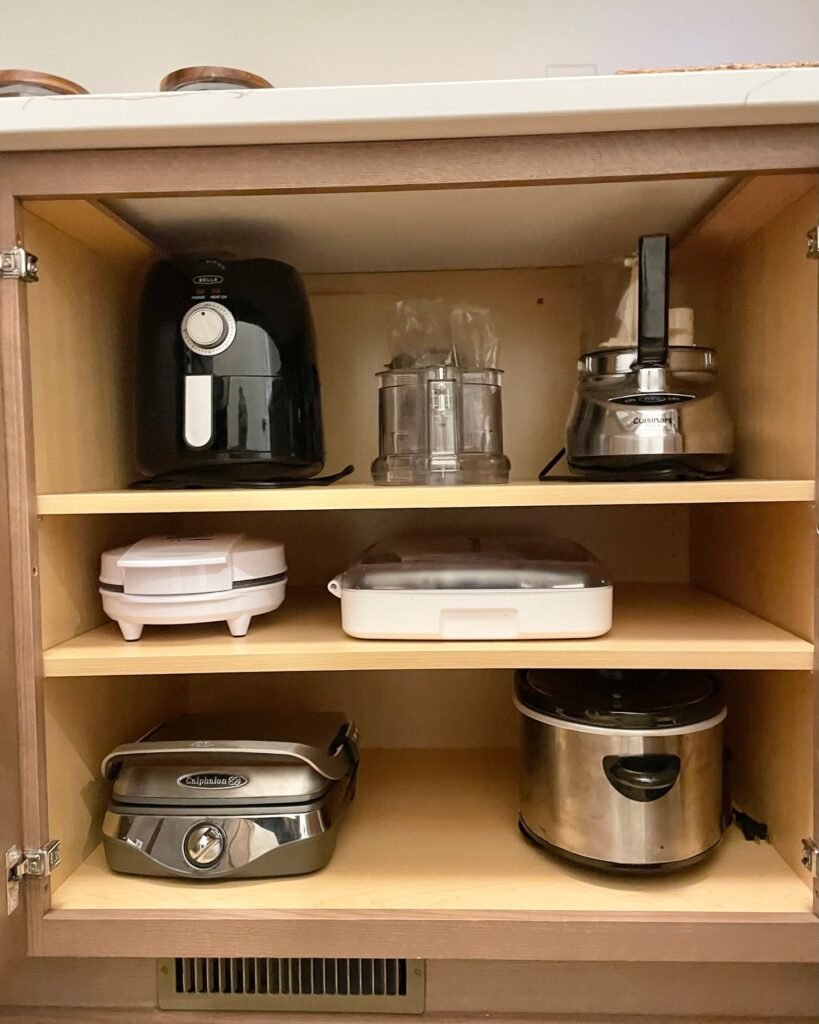
High cabinets should not hold things you need every day. Use them for holiday platters, cake stands, picnic items, or extra serving bowls.
This opens prime space for daily essentials. Store occasional items in labeled bins so they remain easy to find.
20. Add a Use-First Basket
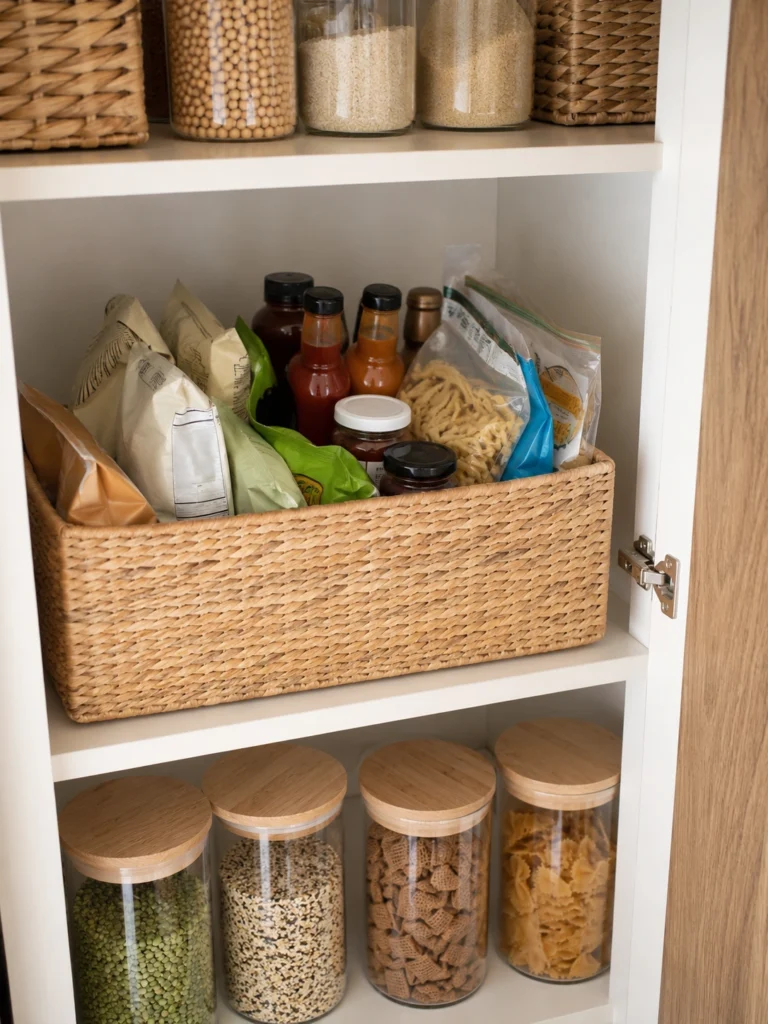
Create one basket for food that should be used soon. Add open packets, duplicate sauces, nearly empty bags, or short-date items.
Check this basket before grocery shopping. It can reduce waste and stop you from buying repeats.
21. Choose Bins That Fit the Shelf
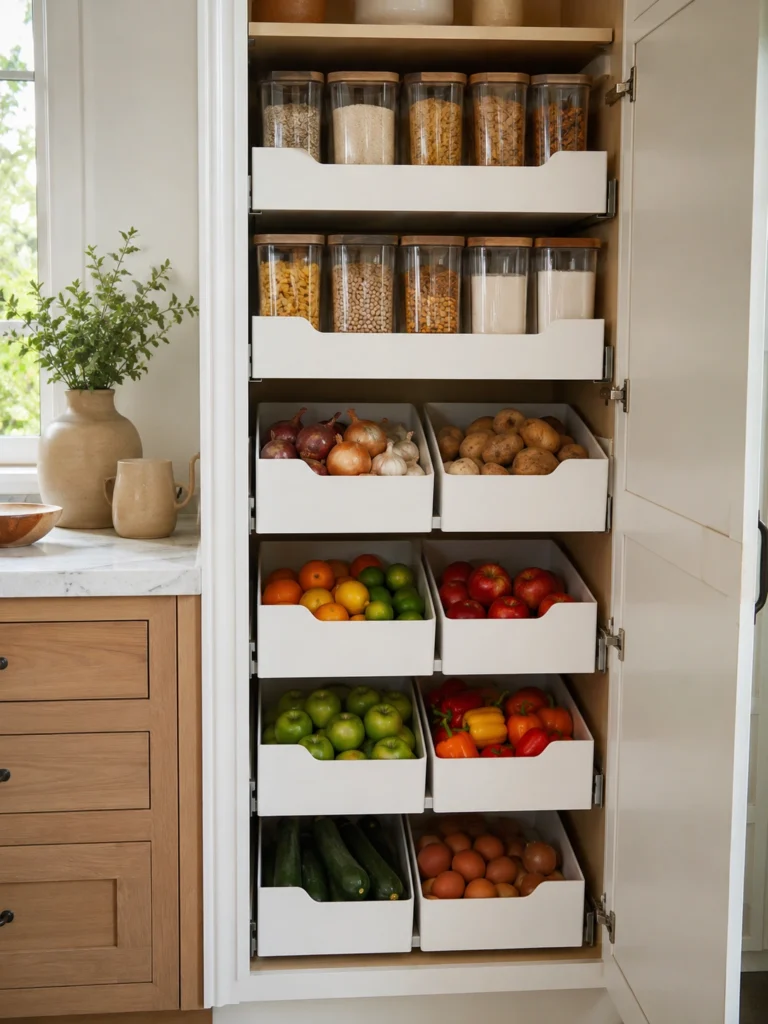
Pretty bins are not helpful if they waste space. Measure the shelf depth and height before buying anything.
A good bin should slide out easily and hold one clear category. Oversized baskets usually create more clutter.
22. Store Daily Dishes Near the Dishwasher
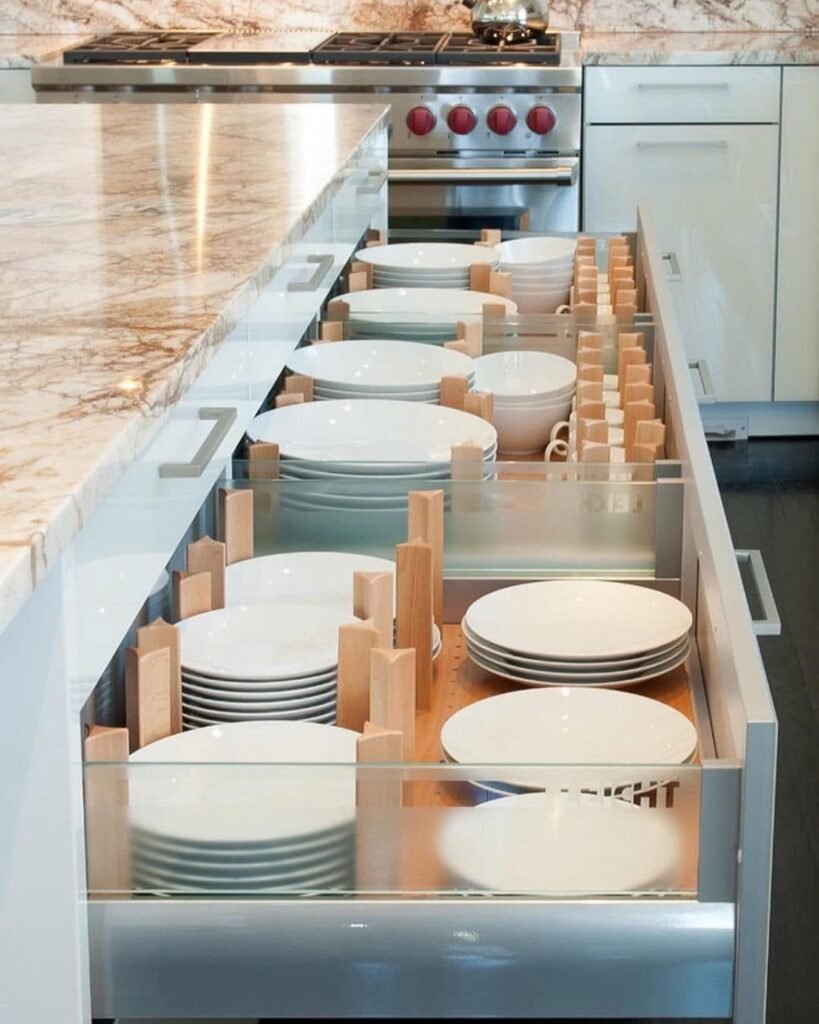
Keep everyday plates, bowls, and glasses close to the dishwasher or sink. This makes unloading faster and easier.
Your cabinet layout should follow how you move in the kitchen. The best system is the one that saves steps.
23. Do a Weekly Five-Minute Reset
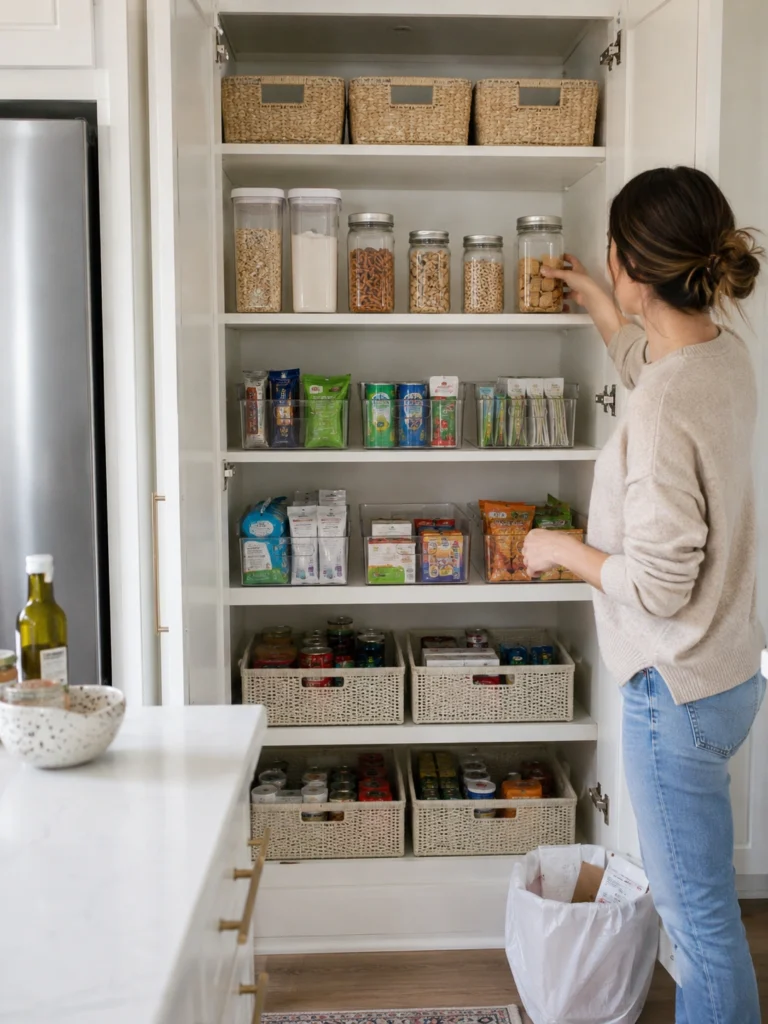
Even a good cabinet system needs a quick reset. Spend five minutes putting items back into their zones.
Toss empty packaging and straighten bins during the reset. This small habit keeps cabinets from becoming overwhelming again.
Conclusion
The best kitchen cabinet storage ideas are simple, realistic, and easy to maintain. You do not need every organizer in the store to make your cabinets work better.
Start with one cabinet that annoys you most. Once that area feels easier, move to the next one and build your system slowly.
FAQs
What is the best way to organize kitchen cabinets?
Group items by use first, then choose the right storage tools.
Keep daily dishes, cookware, pantry items, snacks, and cleaning supplies in separate zones.
The most-used items should be easiest to reach.
How do I organize deep kitchen cabinets?
Use pull-out trays, long bins, or turntables so items at the back do not disappear.
Keep heavy items low and group small items inside containers.
Avoid loose packets because they get lost quickly.
How can I organize kitchen cabinets on a budget?
Start with decluttering before buying anything new. Reuse baskets, jars, trays, and small boxes to create simple zones. Buy organizers only when they solve a real problem.