35 Indoor Plants That Instantly Refresh Your Home
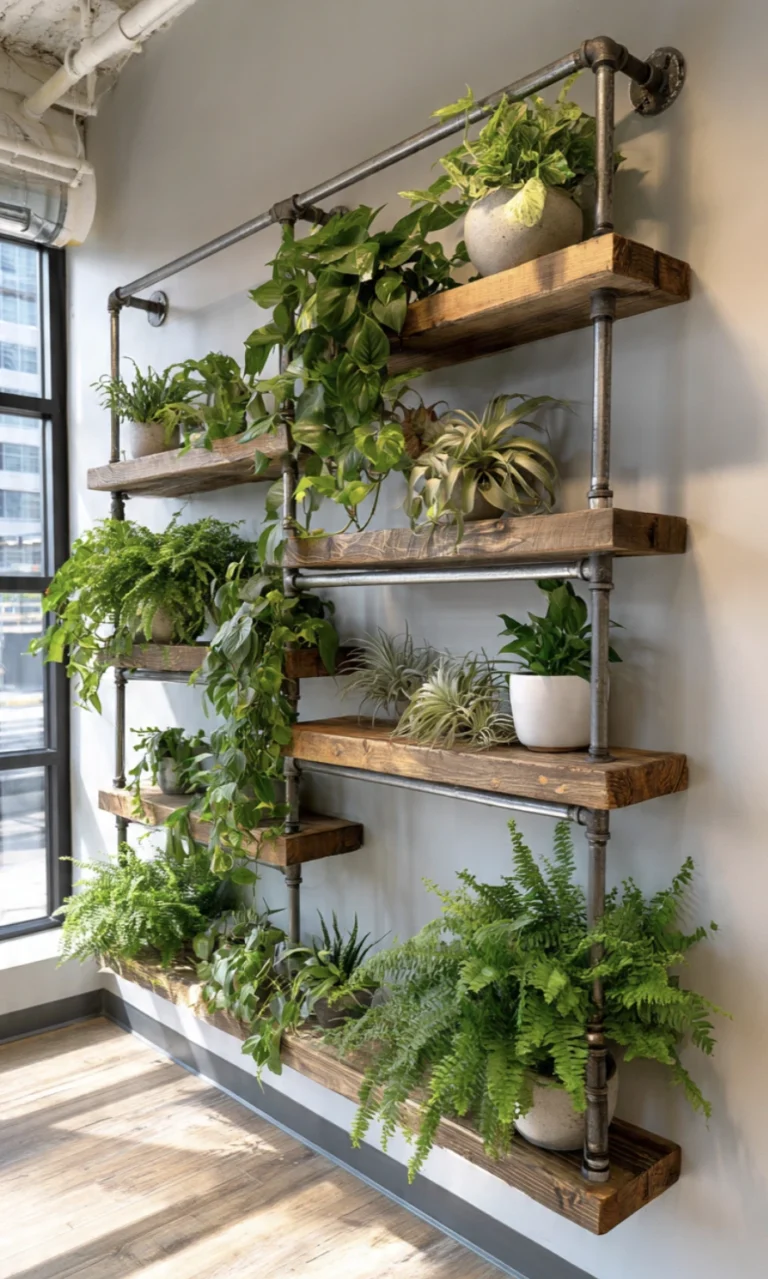
Indoor plants can instantly make your home feel fresher, calmer, and more inviting. Whether you live in a small apartment or a spacious house, the right plants can bring natural beauty into every corner. From easy-care greenery for beginners to stylish plants that brighten shelves, windows, and empty corners, there are plenty of options to match your space. These indoor plants for home ideas will help you choose plants that look beautiful, fit your lifestyle, and make your rooms feel warm, peaceful, and full of life.
Related article:
14 Giant Indoor Plants That Never Die: Your Complete Guide
20 Plants Decoration Ideas for a Fresh Home
20 Planter Box Ideas for Stylish Outdoor and Indoor Spaces
1. Snake Plant (Sansevieria)
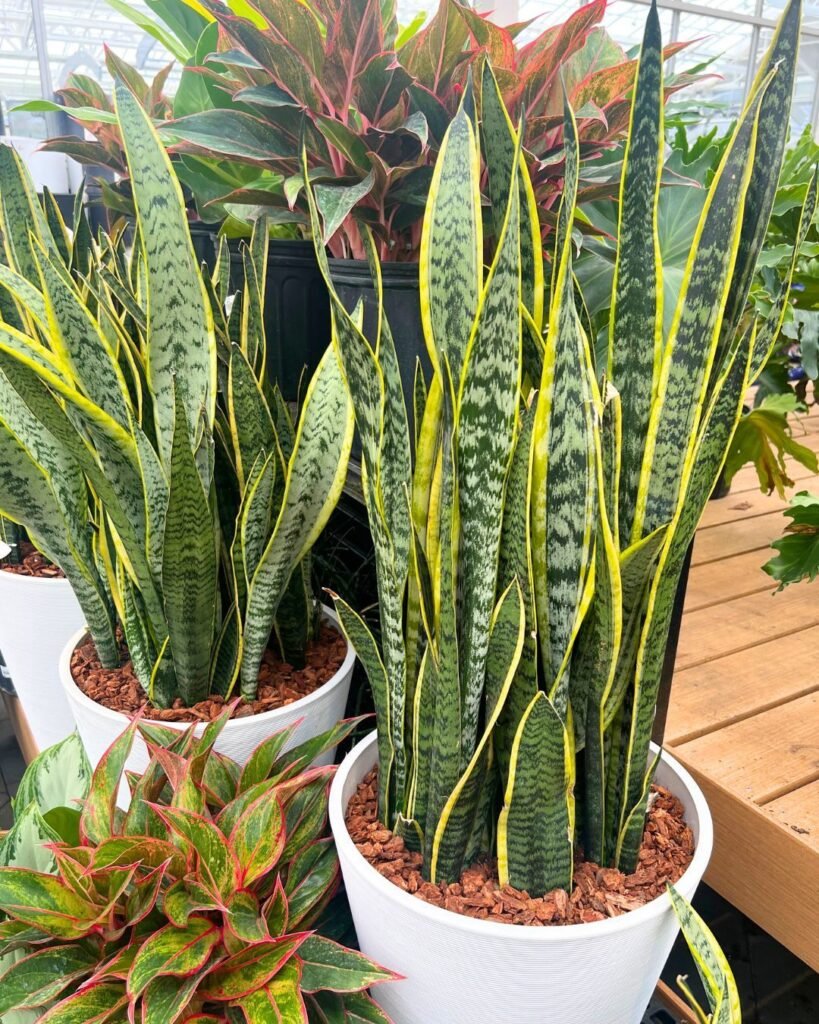
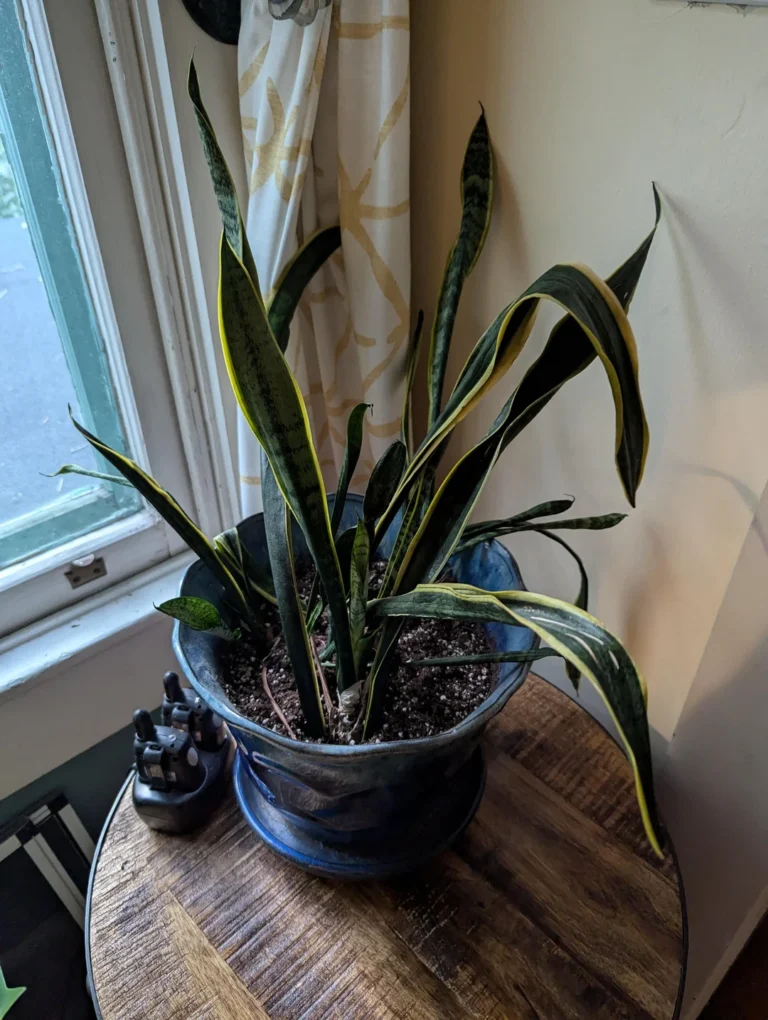
Snake Plant is one of the easiest indoor plants you can grow, making it perfect for beginners or busy homeowners. Its upright, sword-like leaves create a clean, modern look that works well in bedrooms, offices, and minimal interiors. It’s especially useful for low-light corners where most plants struggle, yet still looks structured and intentional rather than dull or lifeless.
What makes Snake Plant truly stand out is its ability to survive neglect without losing its appearance. It prefers bright indirect light but adapts easily to shade, and it only needs watering every couple of weeks. The biggest mistake is overwatering, so always let the soil dry out completely. Use a pot with drainage to avoid root rot and keep it thriving long-term.
2. Monstera Deliciosa
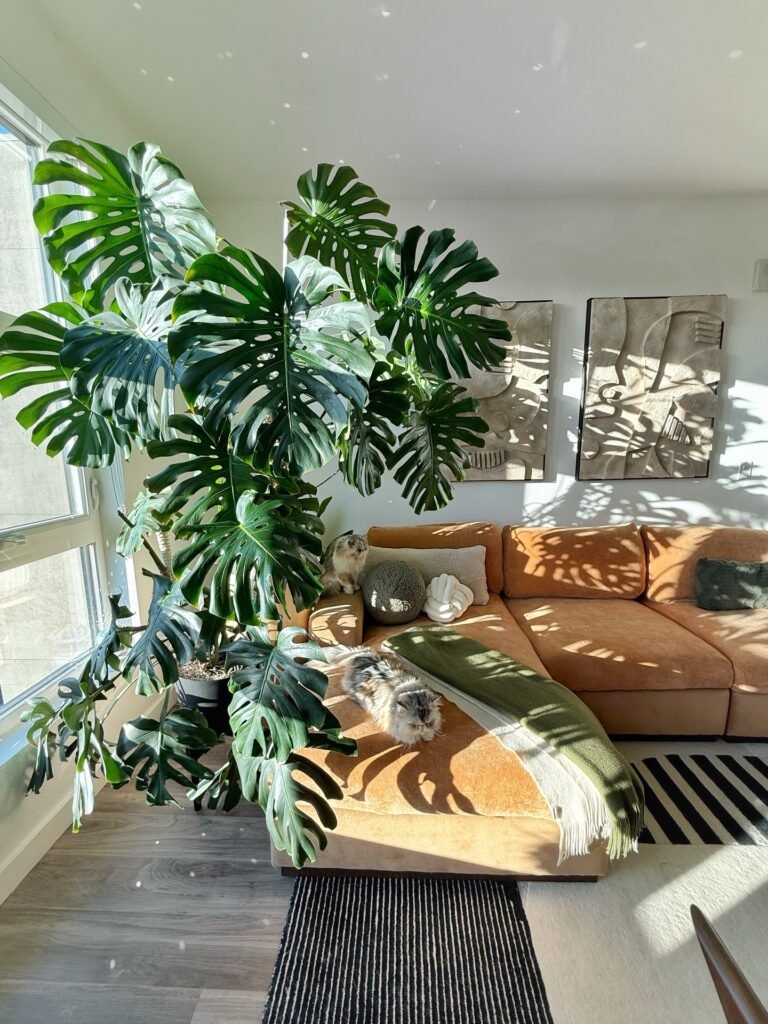
Monstera Deliciosa is a bold, statement plant known for its large, split leaves that instantly bring a tropical feel into your home. It works best in living rooms or open spaces where its dramatic foliage has room to stand out. This plant is often seen in modern interiors because it creates visual impact without needing too many additional decorations around it.
To keep it healthy, place it in bright, indirect light and follow a consistent watering routine. Allow the top inch of soil to dry before watering again to avoid excess moisture. Cleaning the leaves occasionally helps them absorb light better. Adding a moss pole or support will encourage vertical growth and help the plant develop larger, more mature leaves over time.
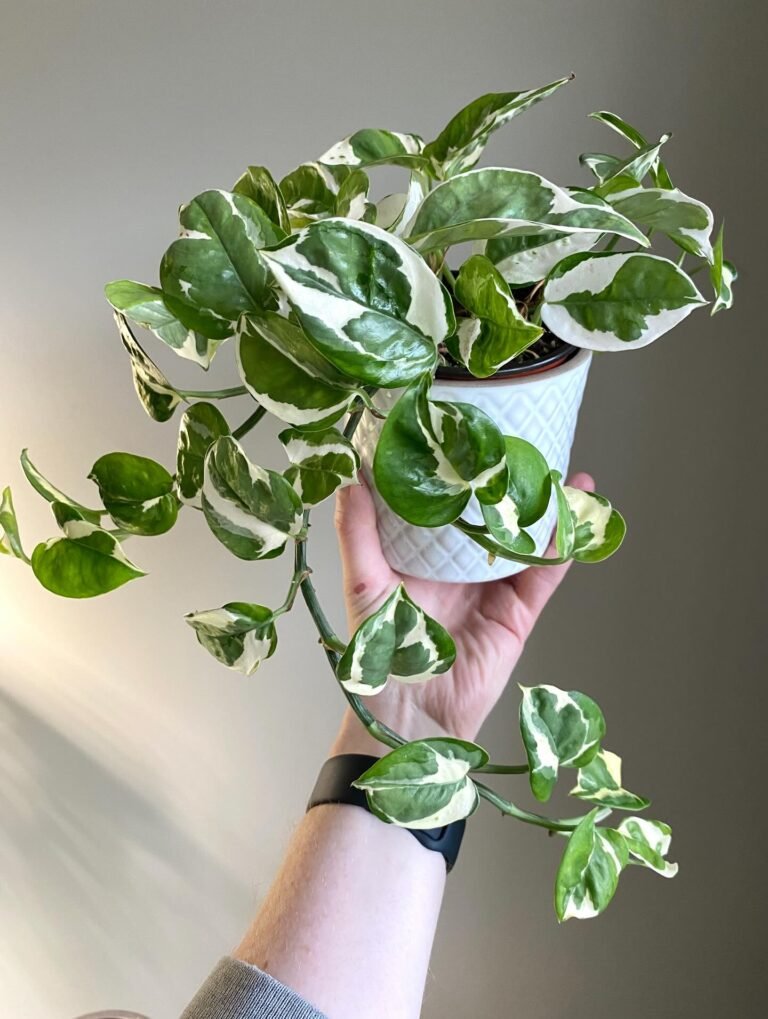
3. Pothos (Money Plant)
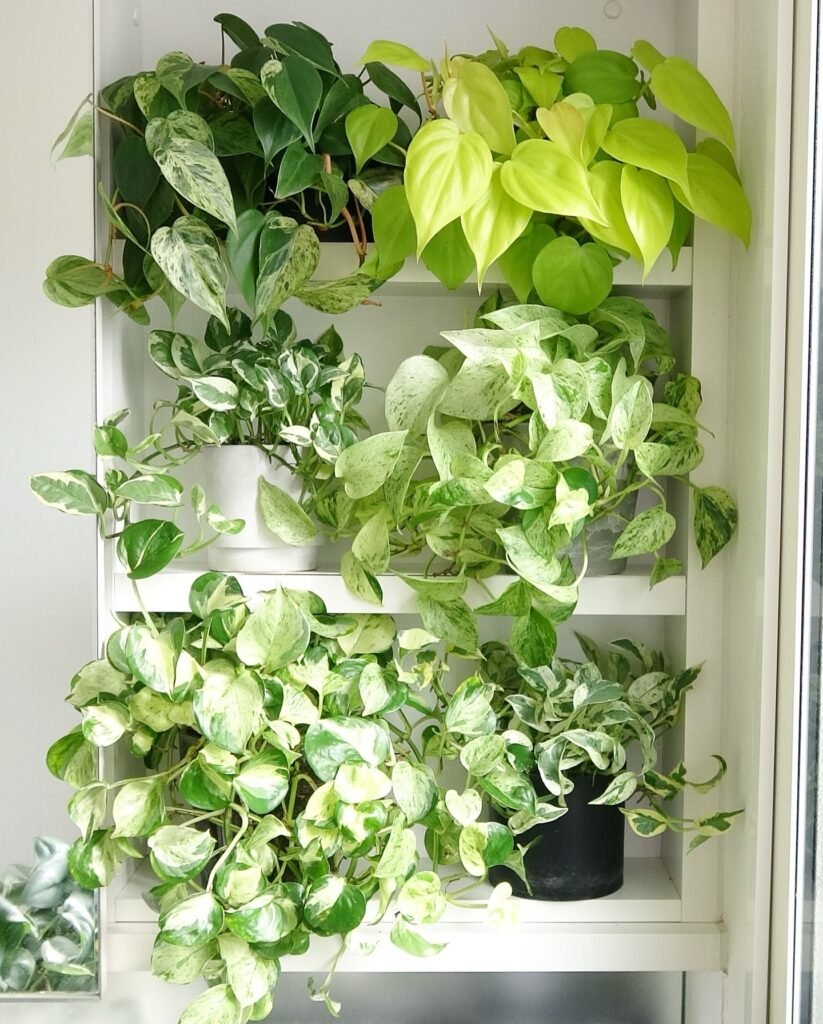
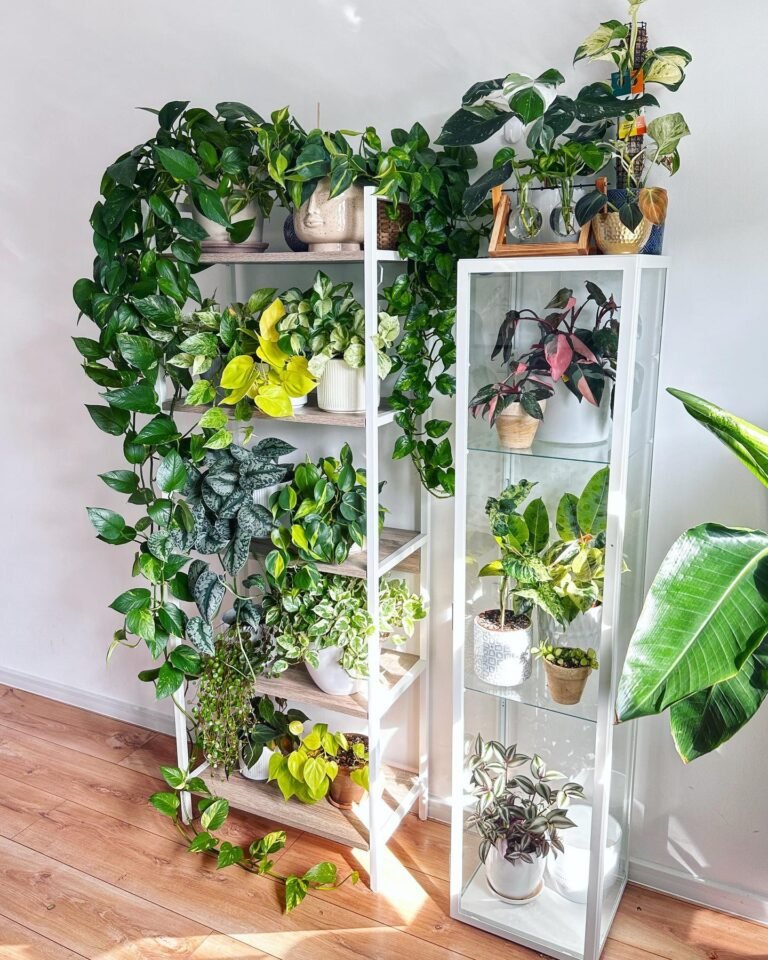
Pothos, often called Money Plant, is one of the most versatile indoor plants you can have. Its trailing vines make it perfect for hanging baskets, shelves, or even climbing along walls for a more styled look. It adapts easily to different environments, making it a great choice if you want greenery without worrying too much about perfect conditions.
This plant grows well in both low and bright indirect light, although brighter light encourages faster growth and fuller leaves. It can also grow in water, which makes it unique and easy to maintain. Regular trimming helps control its length and keeps it looking bushy. Avoid overwatering by letting the soil dry slightly between watering sessions.
4. Peace Lily
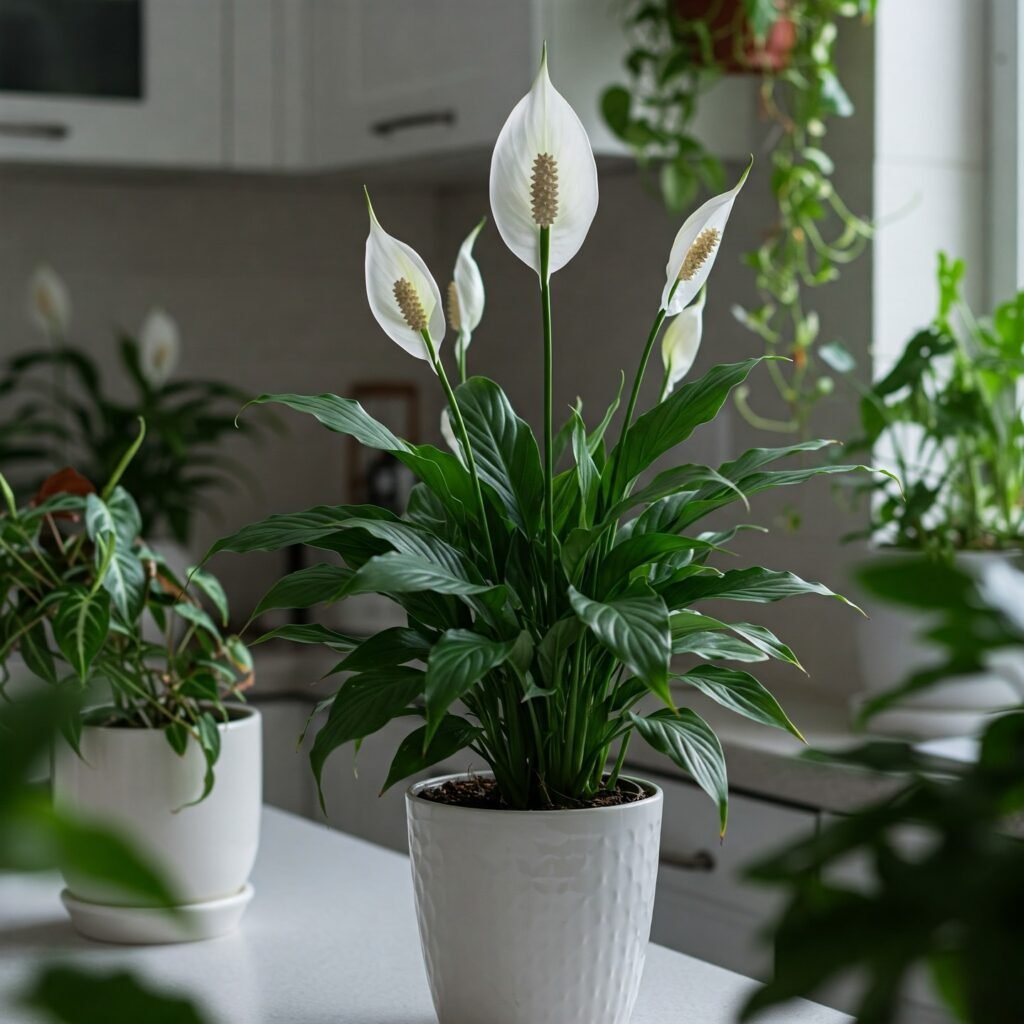
Peace Lily is a beautiful indoor plant known for its elegant white flowers and deep green leaves that create a calm, relaxing atmosphere. It fits perfectly in bedrooms, reading corners, or quiet spaces where you want a softer, more natural feel. Its ability to visually signal when it needs water makes it especially beginner-friendly.
This plant prefers low to medium light and thrives in slightly moist soil. When the leaves start to droop, it’s a clear sign that it needs watering, making care simple even for beginners. Avoid placing it in direct sunlight, as it can damage the leaves. Maintaining consistent moisture and occasional feeding will encourage regular blooming.
5. Spider Plant
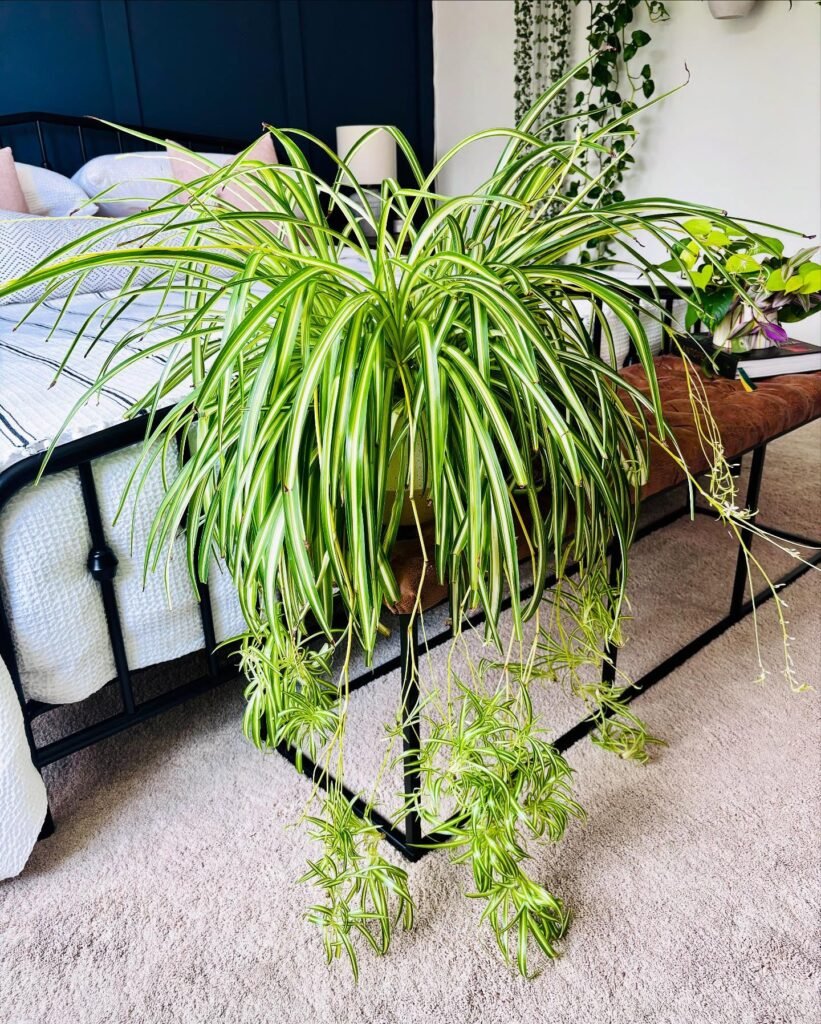
Spider Plant is a classic indoor favorite that adds a light, fresh feel to any space with its arching green leaves and small offshoots. It looks especially attractive in hanging planters or placed on higher shelves where the baby plants can cascade down naturally. Its playful appearance makes it a great addition to both modern and casual interiors.
It thrives in bright, indirect light but can tolerate slightly lower light conditions without major issues. Water it moderately, allowing the soil to dry a bit between watering to prevent root problems. The small plantlets it produces can be easily propagated, making it a great option if you want to grow your collection without buying more plants.
6. Rubber Plant
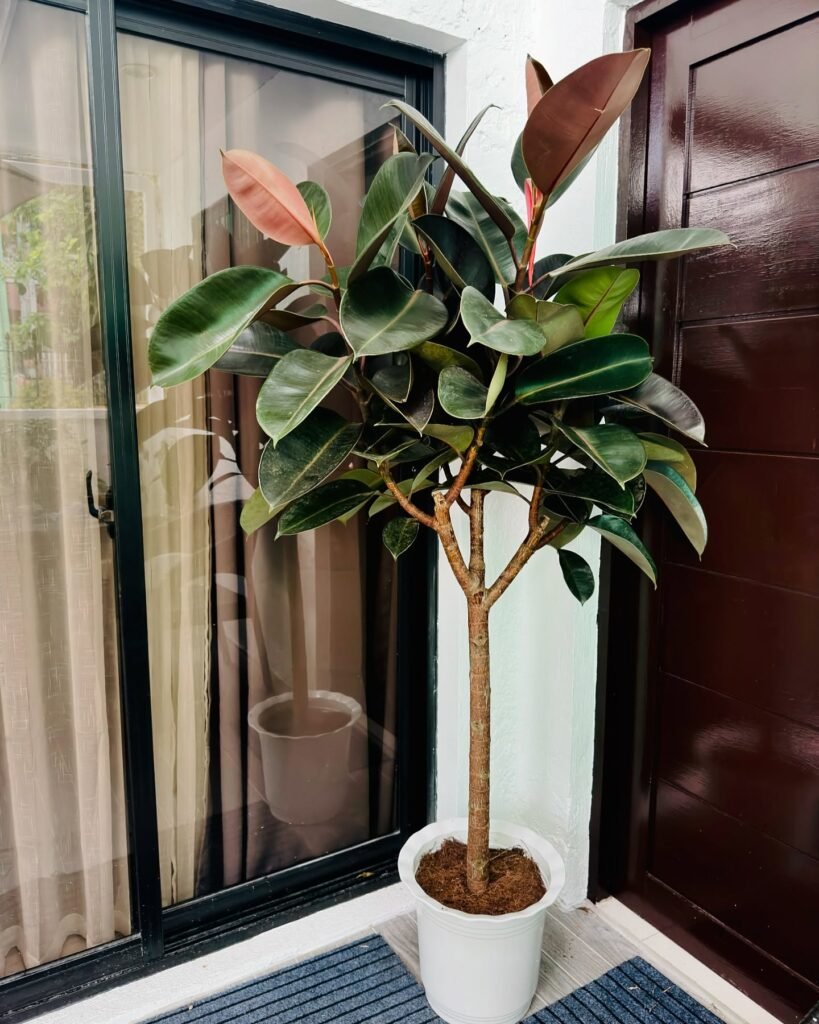
Rubber Plant is a bold indoor plant known for its thick, glossy leaves that instantly elevate the look of any room. Its deep green or burgundy tones make it a strong focal point, especially in living rooms or empty corners that need height and visual weight. It pairs well with modern, minimal, or even slightly industrial interiors.
To keep it healthy, place it in bright, indirect light and water when the top layer of soil feels dry. Overwatering can cause leaf drop, so it’s better to stay on the drier side. Wipe the leaves occasionally to maintain their shine and help with light absorption. Rotating the plant every few weeks ensures even growth and a balanced shape.
7. Aloe Vera
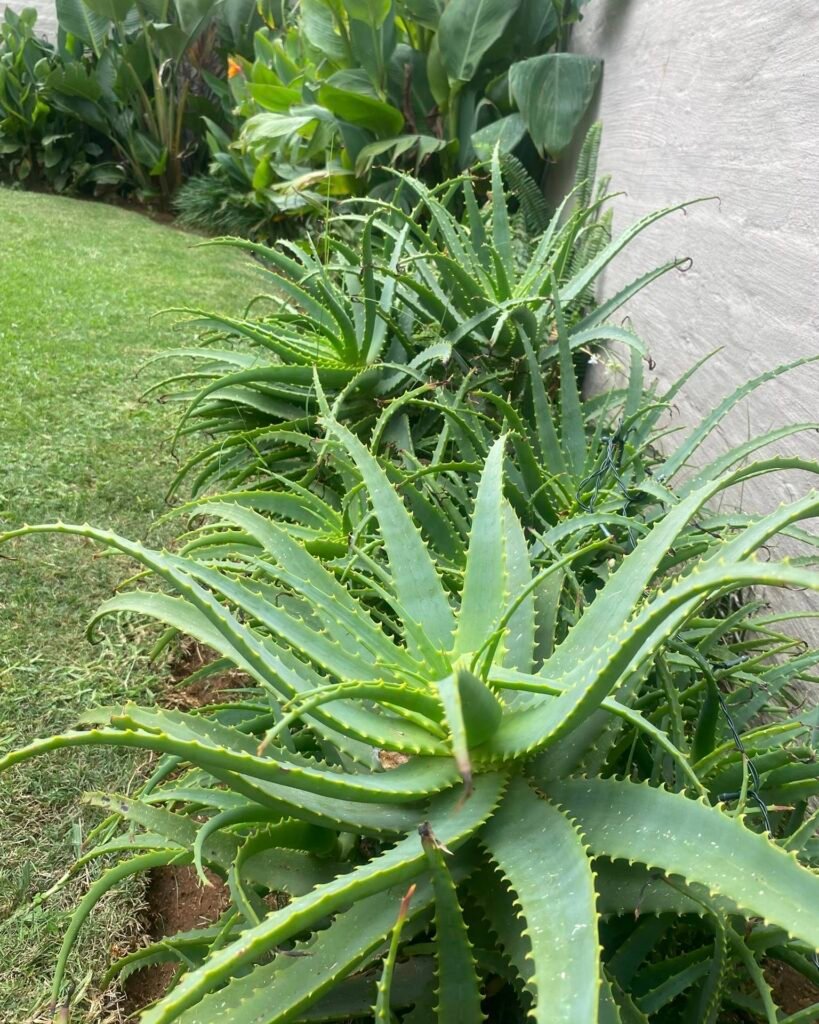
Aloe Vera is a practical and decorative indoor plant known for its thick, fleshy leaves filled with soothing gel. It’s perfect for sunny windowsills, kitchens, or small spaces where you want something clean and minimal. Beyond its appearance, it’s useful for minor burns and skin care, making it both functional and visually appealing.
This plant thrives in bright sunlight and requires very little watering, making it ideal for low-maintenance plant owners. Always let the soil dry out completely before watering again, as excess moisture can lead to root rot. Using well-draining soil and a pot with drainage holes is essential for long-term health and steady growth.
8. ZZ Plant
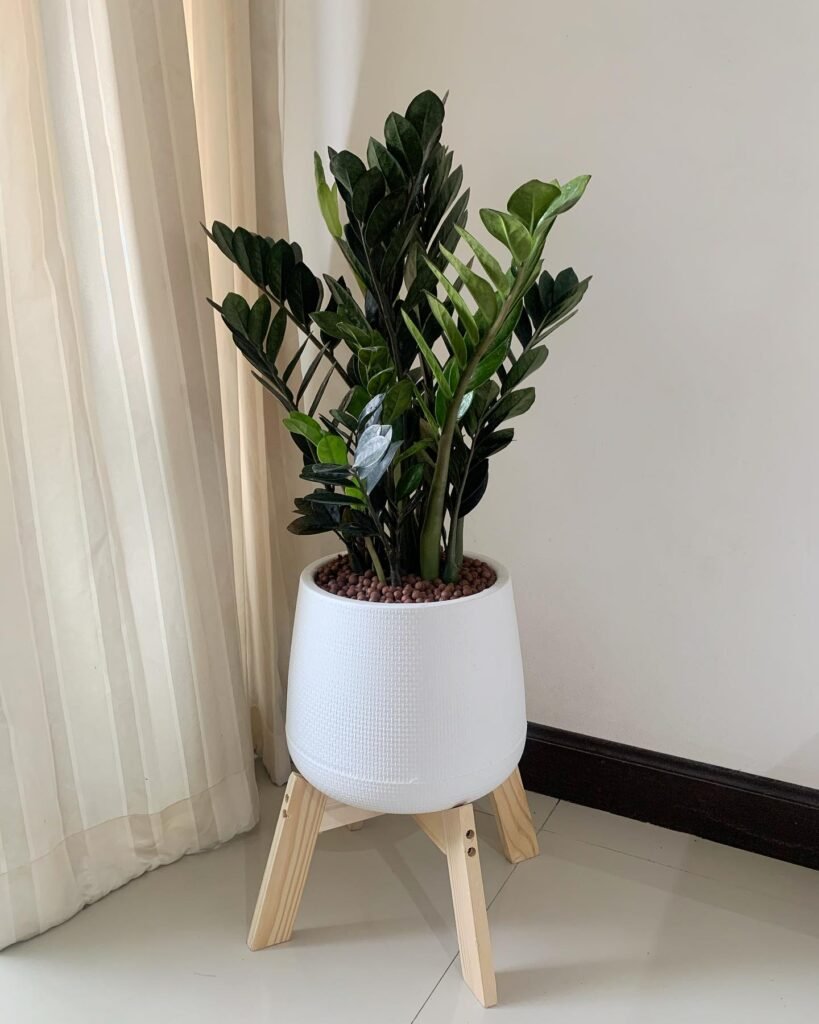
ZZ Plant is one of the most low-maintenance indoor plants available, known for its glossy, dark green leaves that reflect light beautifully. It works well in offices, bedrooms, or shaded corners where other plants might struggle. Its neat, structured growth makes it look polished without requiring constant care or attention.
It tolerates low light extremely well and only needs watering every two to three weeks. In fact, overwatering is the most common issue, so it’s best to let the soil dry completely between watering. Its slow growth means less maintenance overall, making it perfect for beginners or anyone who wants greenery without daily effort.
9. Areca Palm
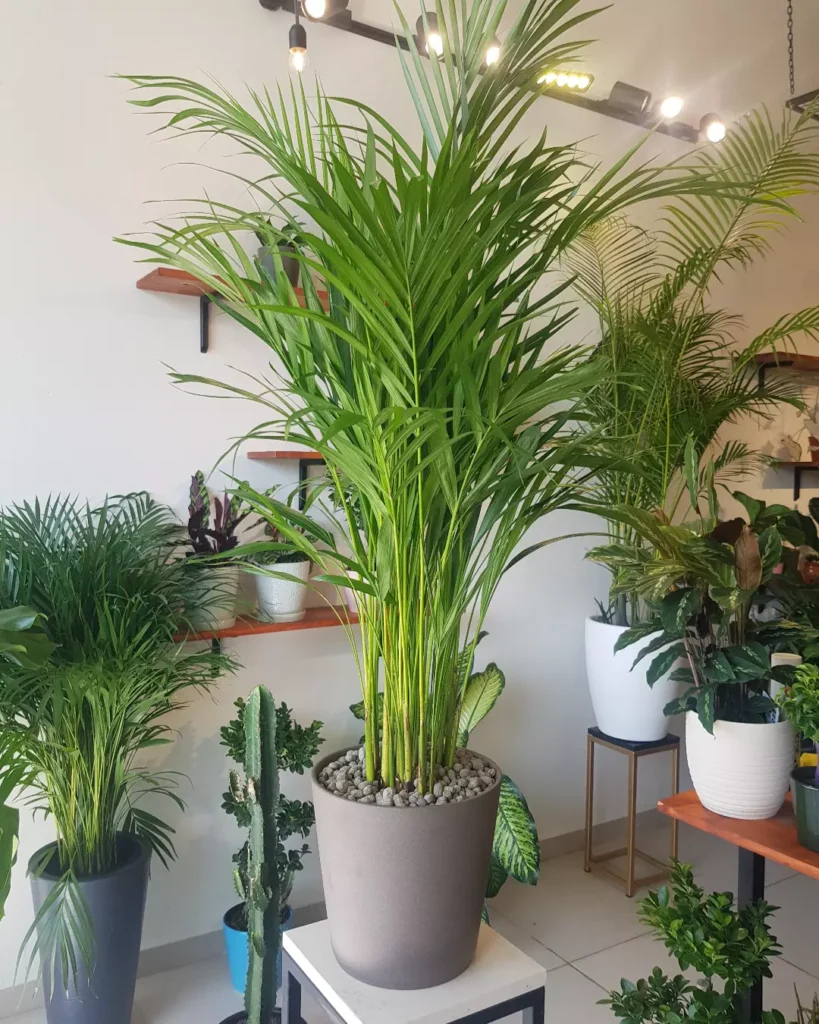
Areca Palm brings a soft, tropical feel indoors with its feathery, arching fronds that create a light and airy atmosphere. It works beautifully in living rooms, near windows, or as a natural divider in open spaces. Unlike heavier plants, its delicate structure keeps the room feeling fresh and not overcrowded.
This plant prefers bright, filtered light and slightly moist soil to maintain its lush appearance. Regular watering is important, but avoid letting the roots sit in water. Occasional misting helps replicate humidity and keeps the leaves from drying out. With consistent care, it grows into a full, elegant plant that enhances any indoor space.
10. Fiddle Leaf Fig
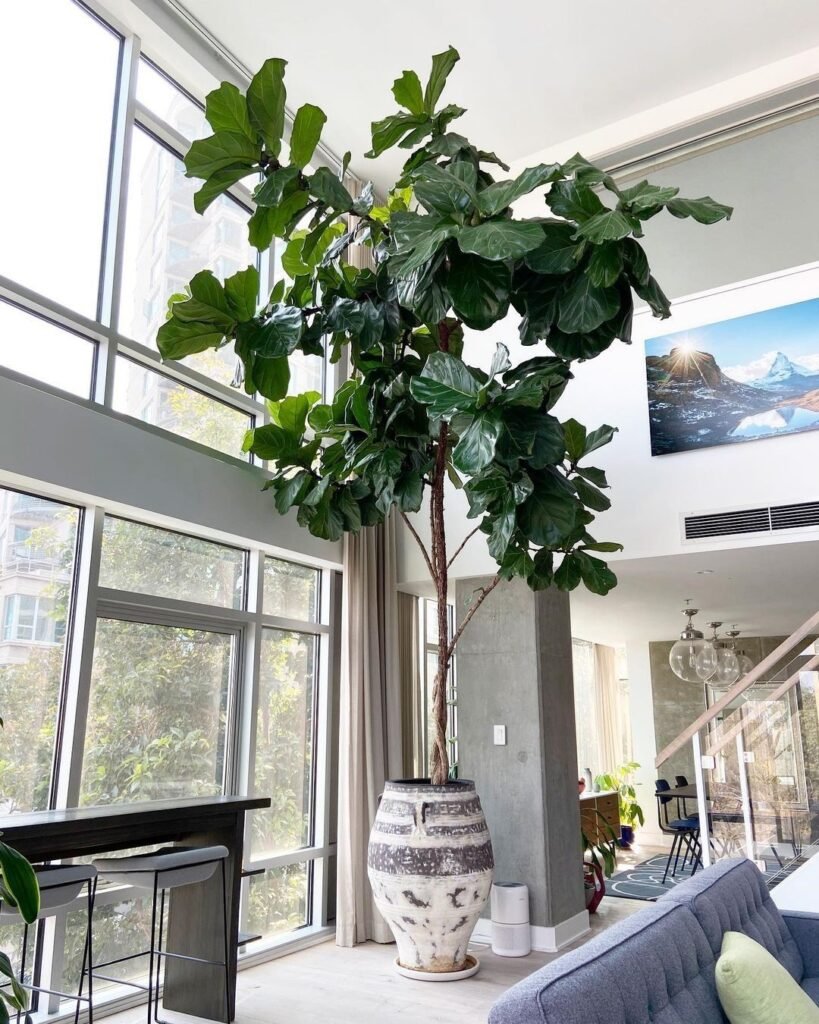
Fiddle Leaf Fig is a popular indoor plant known for its large, violin-shaped leaves that create a dramatic and stylish look. It’s often used as a statement piece in modern homes, especially in living rooms or entryways where its height and bold foliage can stand out.
This plant requires bright, indirect light and a consistent watering routine to stay healthy. It doesn’t respond well to sudden changes, so avoid moving it frequently once placed. Water when the top layer of soil dries and ensure good drainage to prevent root problems. Keeping conditions stable helps it grow tall and maintain its striking appearance.
11. Calathea
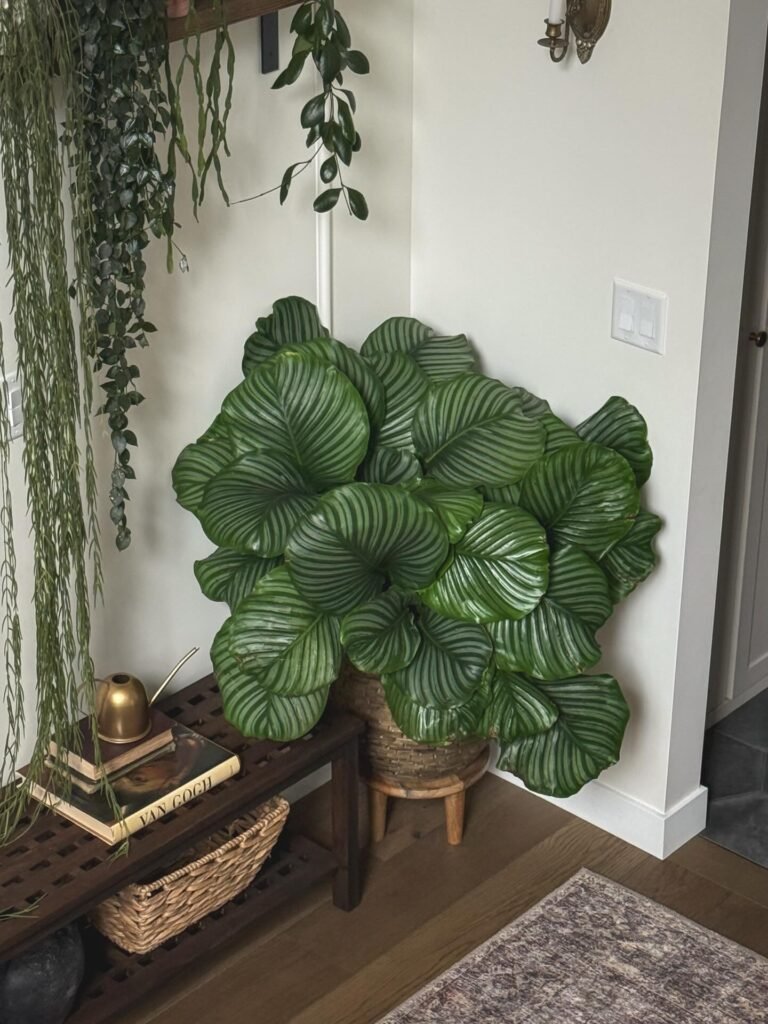
Calathea is admired for its beautifully patterned leaves that instantly add texture and visual interest to indoor spaces. Its unique foliage, often marked with stripes or bold designs, makes it feel more like living decor than just a plant. It works especially well in bedrooms or styled corners where softer lighting enhances its natural detail.
This plant prefers low to medium indirect light and thrives in humid environments. Keep the soil consistently moist but not soggy, and avoid letting it dry out completely. Using filtered or distilled water can prevent leaf browning. Regular misting or placing it near other plants helps maintain the humidity it needs to stay vibrant.
12. Boston Fern
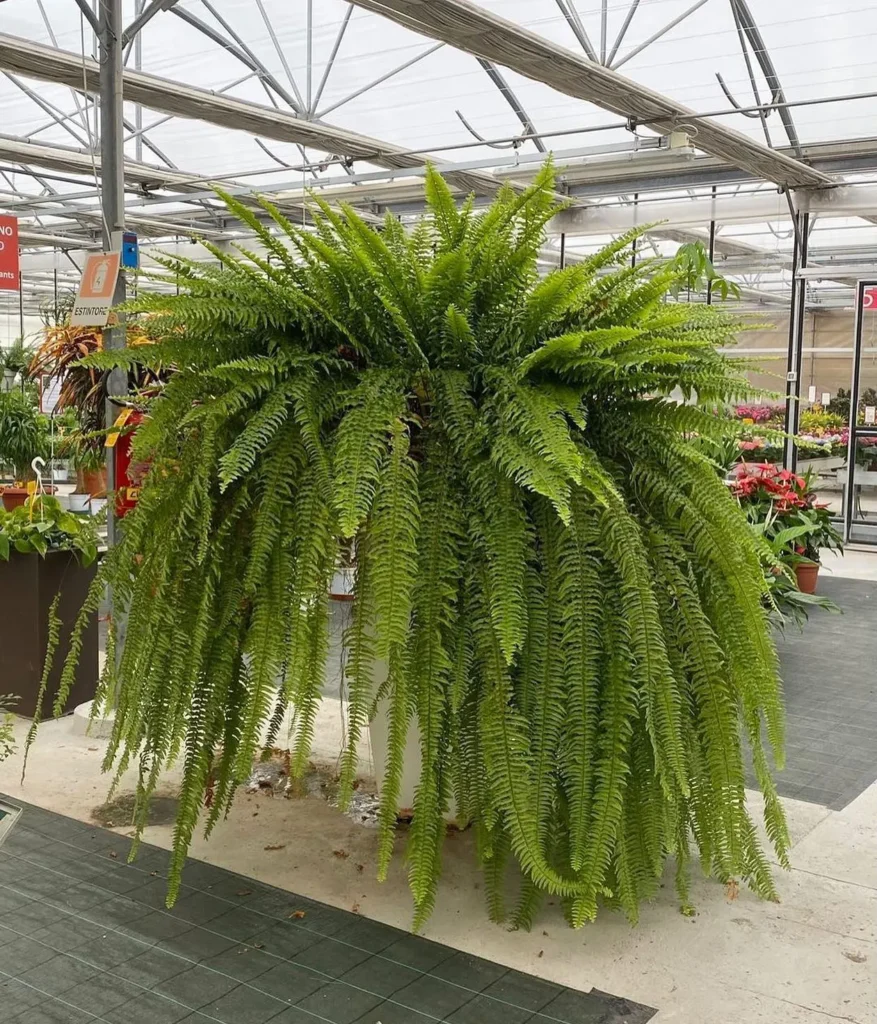
Boston Fern is a classic indoor plant known for its lush, feathery fronds that create a full and refreshing look. It’s perfect for hanging baskets or as a soft accent in living rooms and bathrooms. Its flowing greenery adds movement to a space, making it feel more relaxed and naturally styled.
It thrives in bright, indirect light and requires consistent moisture to stay healthy. The soil should remain slightly damp, and regular misting helps prevent the leaves from drying out. High humidity is key, so placing it in a bathroom or near a humidifier works well. With proper care, it grows dense and beautifully layered.
13. Chinese Evergreen
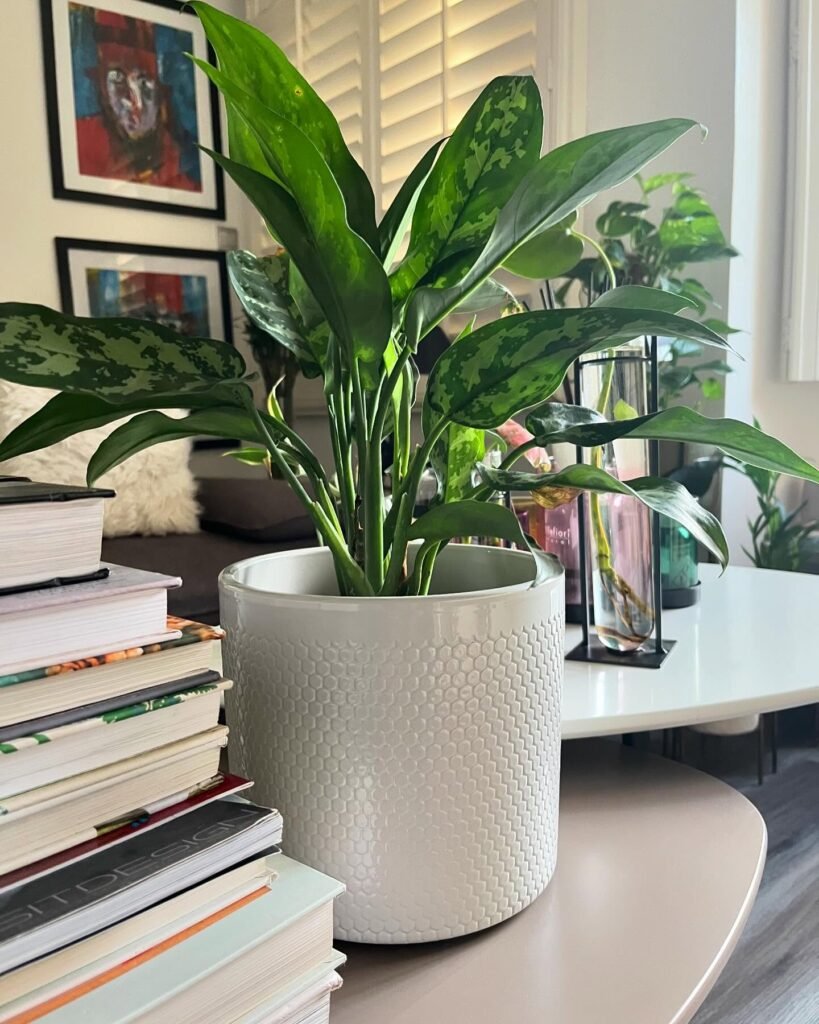
Chinese Evergreen is a highly adaptable indoor plant known for its patterned leaves that often feature shades of green, silver, or even red. It’s perfect for adding subtle color without overwhelming the space. This plant works well in offices, bedrooms, or low-light areas where other plants might struggle.
It grows best in low to medium indirect light and requires moderate watering. Let the top layer of soil dry slightly before watering again to avoid overwatering issues. It’s also quite tolerant of indoor conditions, including fluctuating temperatures, making it a reliable and low-maintenance option for beginners.
14. Philodendron
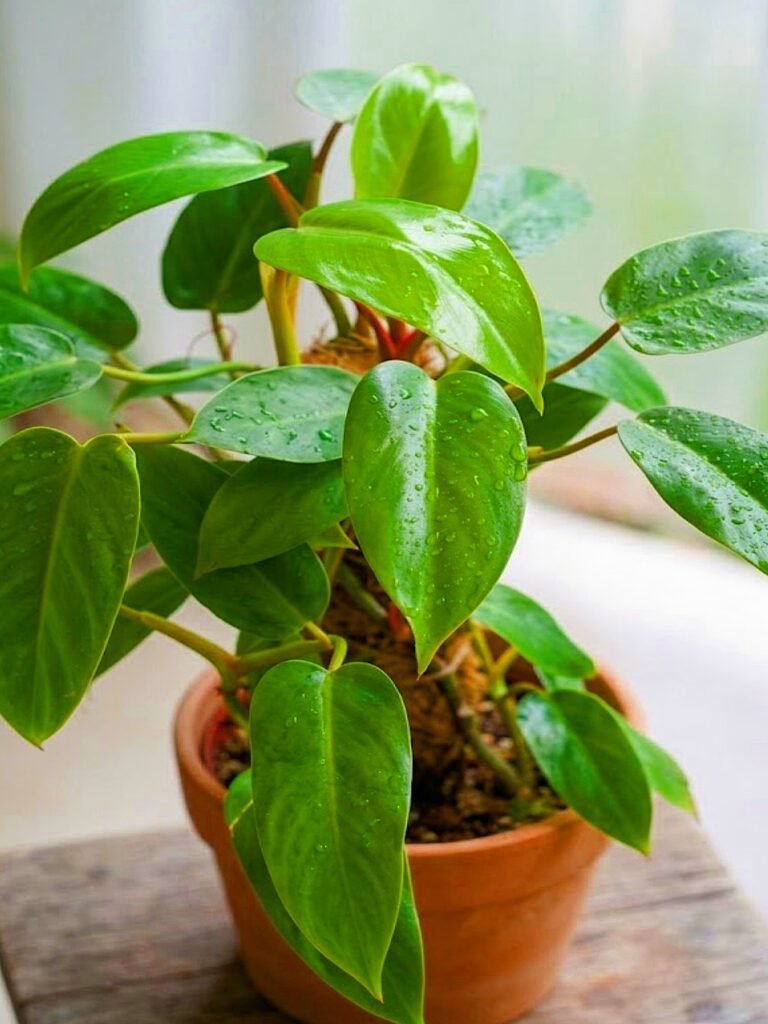
Philodendron is a versatile indoor plant with soft, heart-shaped leaves that bring a relaxed and natural feel to any space. It can be styled as a trailing plant on shelves or trained to climb, making it flexible for different decor setups. Its easygoing nature makes it one of the most popular houseplants.
It prefers bright, indirect light but can adapt to lower light conditions if needed. Water when the top layer of soil feels dry, and avoid overwatering to prevent root issues. Regular pruning helps maintain a fuller appearance and encourages new growth, keeping the plant looking fresh and healthy.
15. Jade Plant
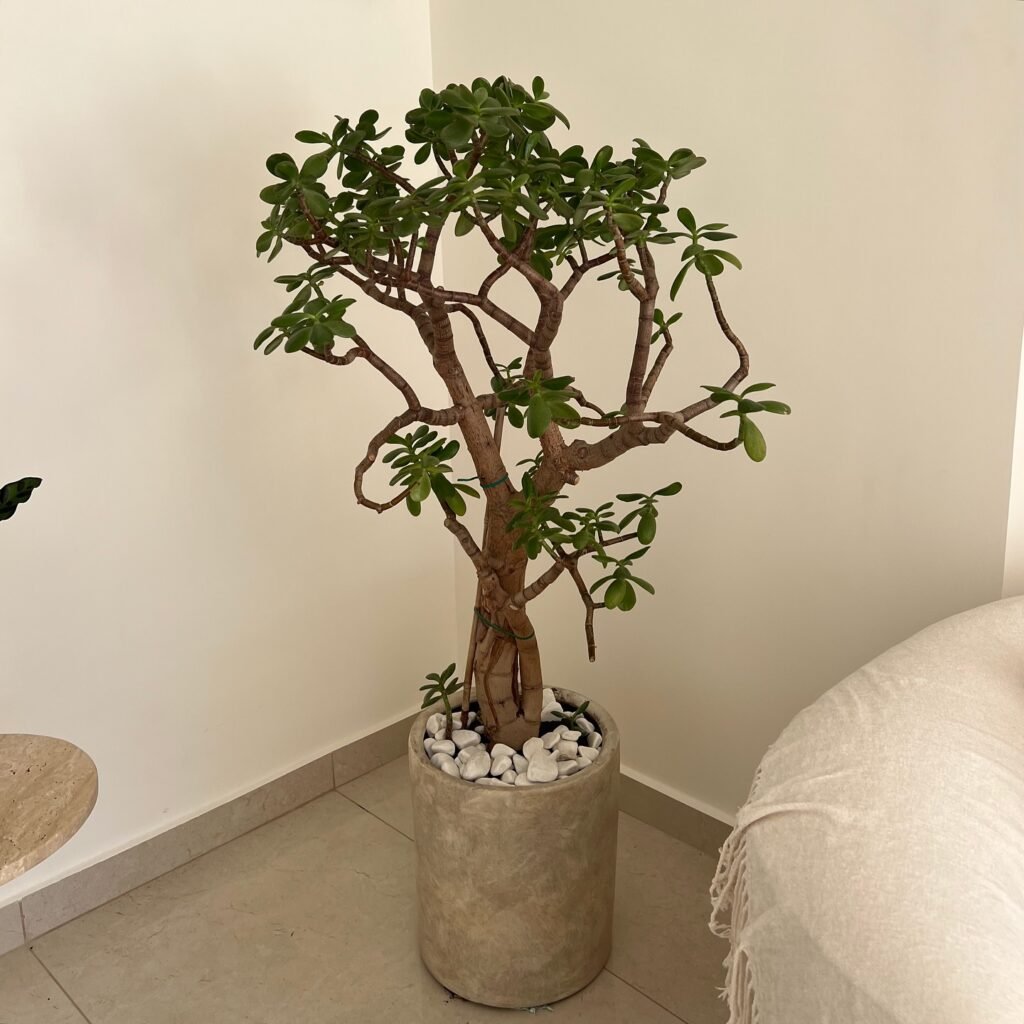
Jade Plant is a compact succulent known for its thick, rounded leaves and clean, structured appearance. It’s often associated with good luck and prosperity, making it a popular choice for desks, entryways, or small decorative spots. Its slow growth and neat form make it easy to manage.
This plant thrives in bright light and requires minimal watering. Allow the soil to dry out completely between watering sessions to avoid root rot. Using well-draining soil is essential for its health. With proper care, it can live for many years and develop a strong, tree-like structure over time.
16. Dracaena
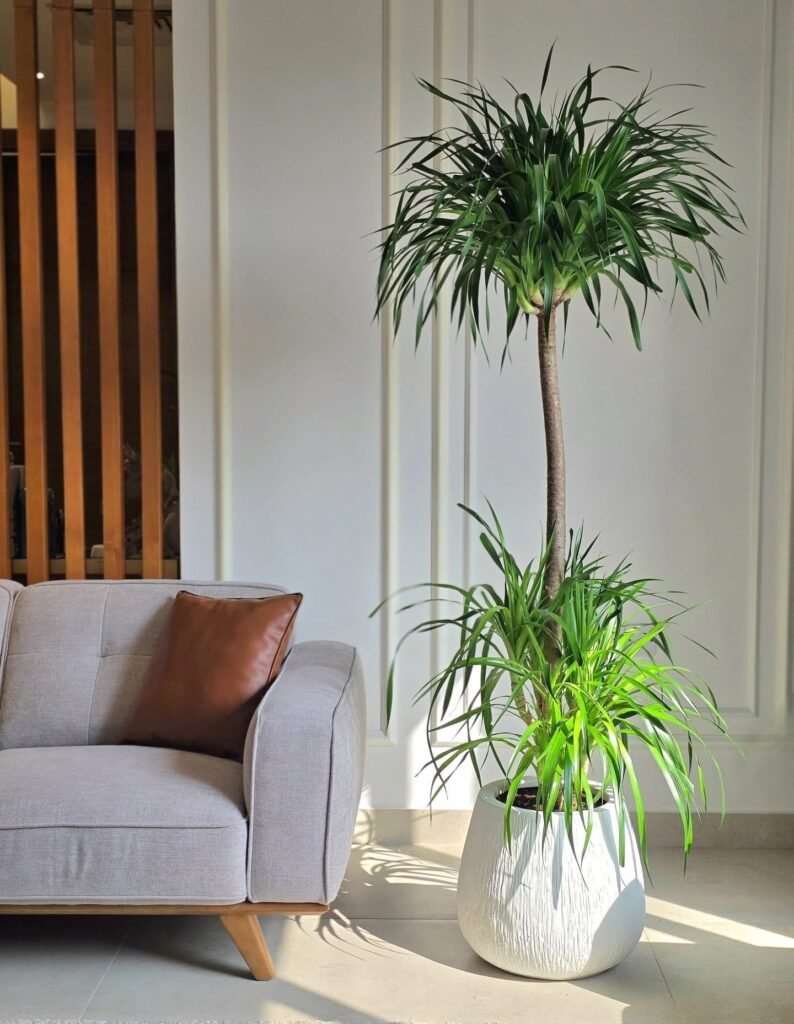
Dracaena plants are known for their long, slender leaves that create a clean and modern look indoors. They are ideal for adding height to corners or narrow spaces without making the room feel crowded. Their simple structure works well in both minimal and contemporary interiors.
They prefer bright, indirect light but can tolerate slightly lower light conditions. Water when the top portion of the soil dries out, and avoid overwatering to prevent root issues. They are sensitive to fluoride in tap water, so using filtered water can help keep the leaf tips from browning.
17. Lucky Bamboo
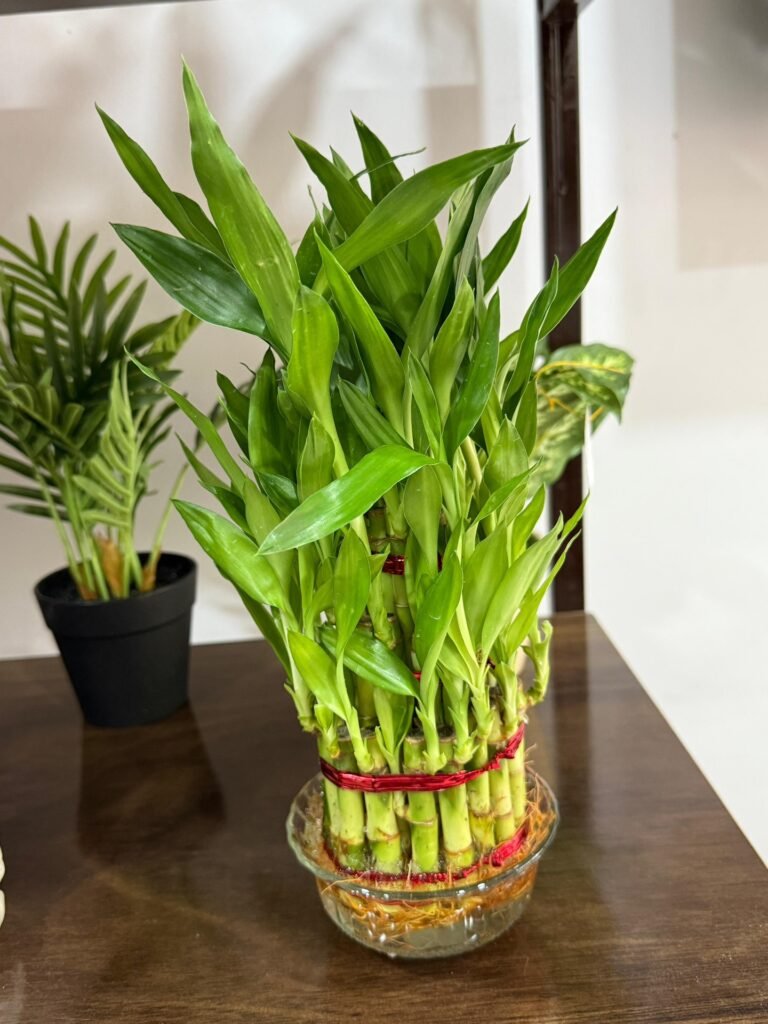
Lucky Bamboo is a simple yet elegant plant often used in decorative arrangements and small indoor spaces. Its upright stems and minimal design make it perfect for desks, shelves, or tabletops where you want a clean and calming look. It’s also commonly associated with positive energy and balance.
It grows well in indirect light and is often kept in water rather than soil. Change the water regularly to prevent buildup and keep the roots healthy. Avoid direct sunlight, which can damage the leaves. Using filtered water helps maintain its vibrant green color and overall health.
18. Croton
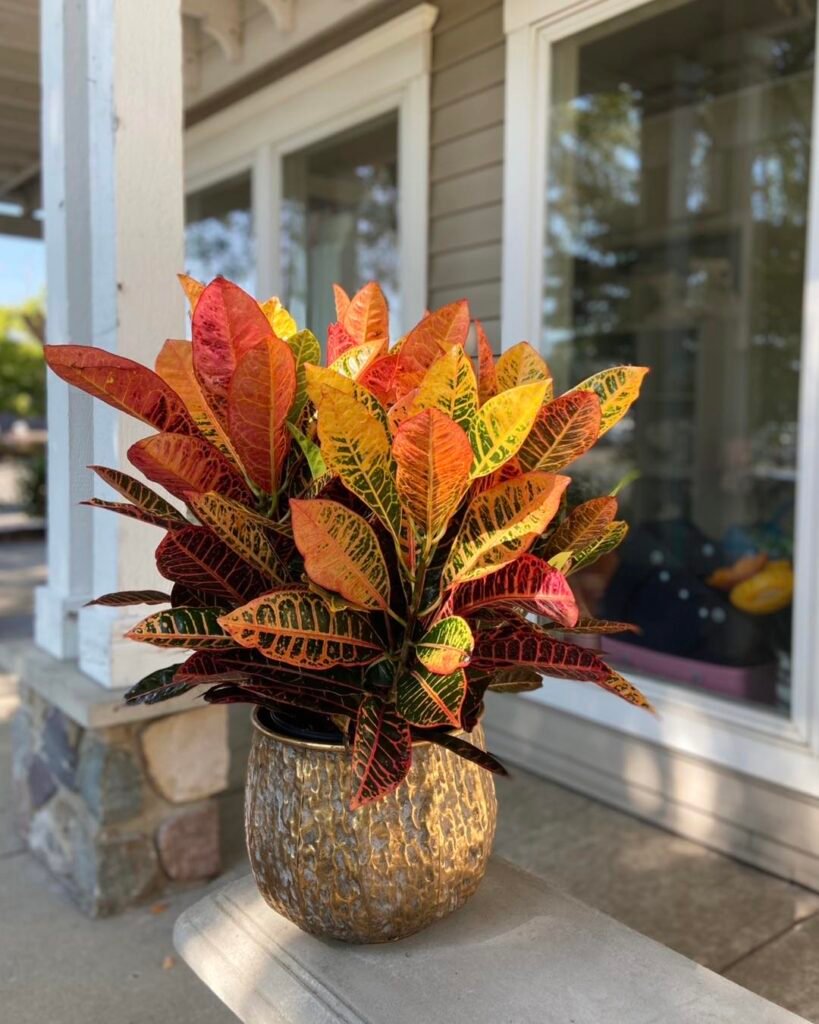
Croton is a bold indoor plant known for its vibrant, multicolored leaves that can feature shades of red, yellow, orange, and green. It’s perfect for adding a strong pop of color to spaces that feel too neutral or plain. This plant works best as a focal point rather than blending into the background.
To maintain its bright colors, it needs plenty of bright, indirect light. The soil should stay slightly moist, but not overly wet. Sudden changes in environment can cause leaf drop, so keep conditions stable. With proper care, it becomes a striking and energetic addition to your indoor setup.
19. Anthurium
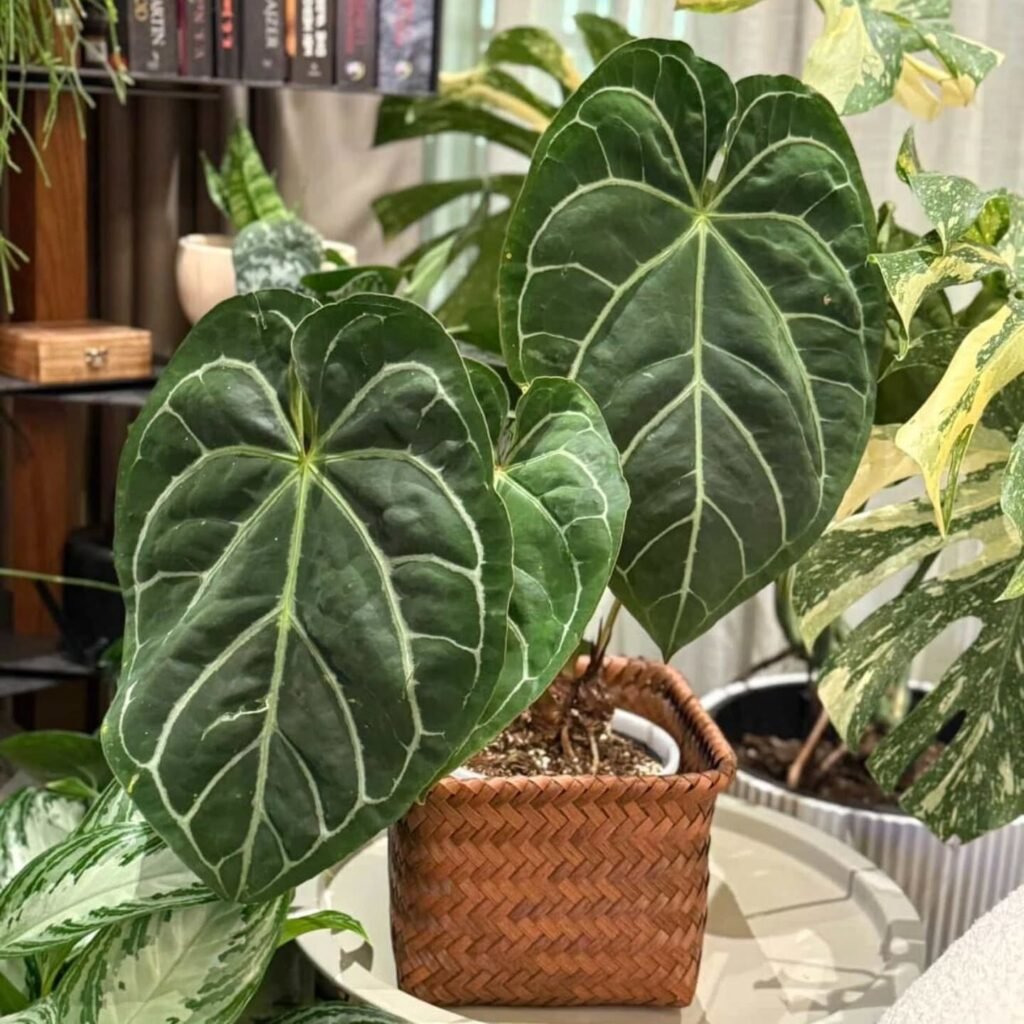
Anthurium is a decorative indoor plant known for its glossy leaves and long-lasting, heart-shaped flowers that add a touch of elegance. Its vibrant blooms, often in red or pink, make it a standout piece for living rooms, bedrooms, or even office desks.
It prefers bright, indirect light and moderate watering. Allow the soil to dry slightly between watering sessions to prevent root issues. Higher humidity helps it bloom more consistently, so occasional misting can be beneficial. With the right care, it produces flowers throughout the year, adding continuous color indoors.
20. Parlor Palm
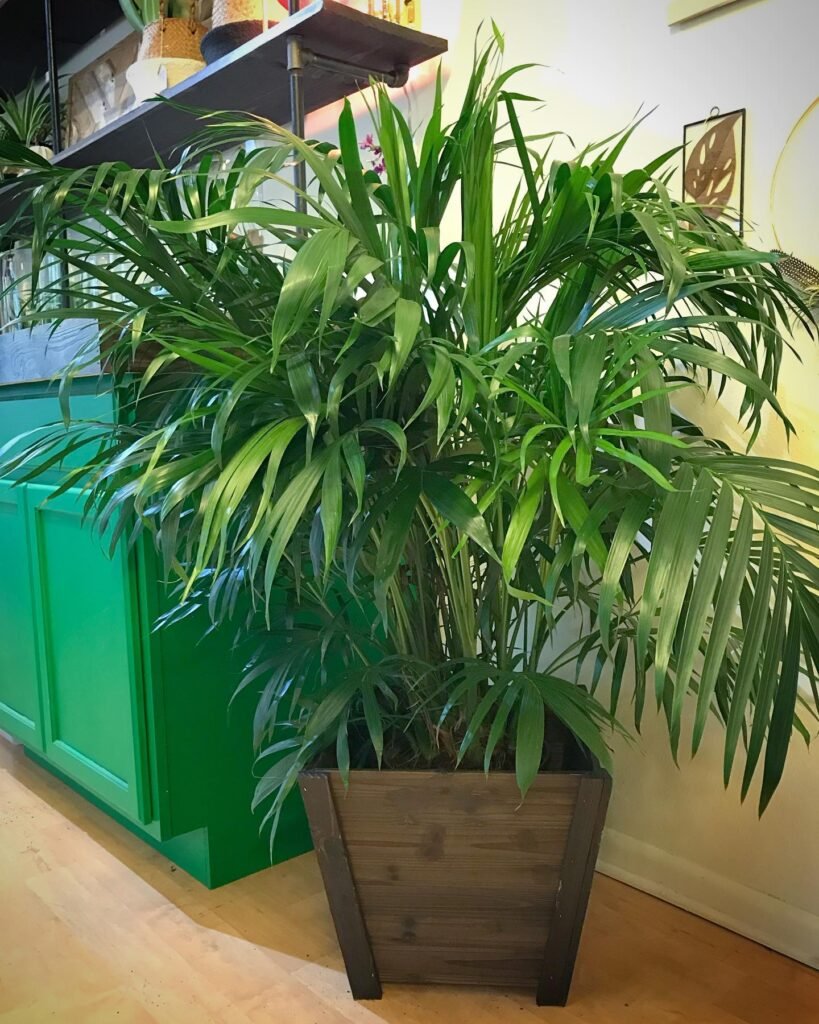
Parlor Palm is a compact and graceful plant that adds a soft, classic touch to indoor spaces. Its fine, arching fronds make it ideal for small corners, tabletops, or areas where you want greenery without overwhelming the room. It blends easily with different decor styles.
It grows well in low to medium light and requires moderate watering. Let the soil dry slightly between watering to avoid overwatering problems. It’s a slow-growing plant, which means less maintenance over time. With steady care, it remains healthy and keeps its delicate, elegant appearance.
21. Dieffenbachia
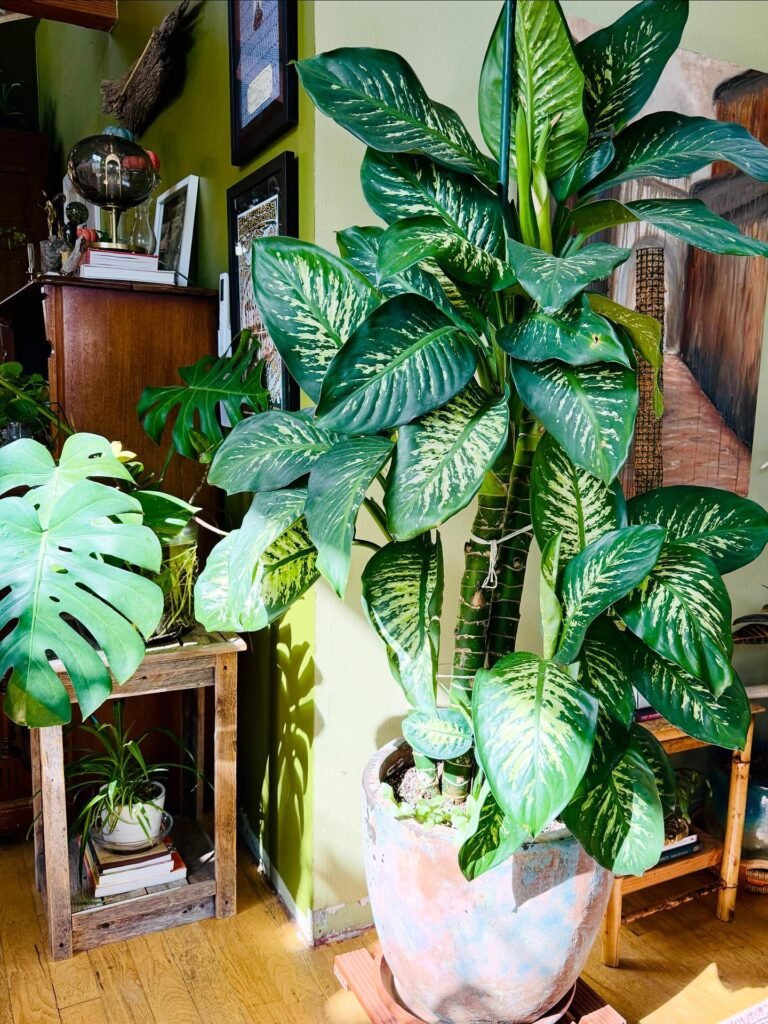
Dieffenbachia is a striking indoor plant known for its large, broad leaves with beautiful variegated patterns. It instantly adds a tropical feel to any room and works well in living spaces where you want something lush and noticeable. Its bold foliage helps fill empty corners and creates a fuller, more styled look.
It prefers bright, indirect light but can tolerate moderate indoor lighting. Keep the soil consistently moist without letting it become soggy, as overwatering can lead to root issues. Avoid placing it in cold drafts or near sudden temperature changes. Regular wiping of leaves helps maintain its vibrant appearance and keeps it healthy.
22. Bird of Paradise
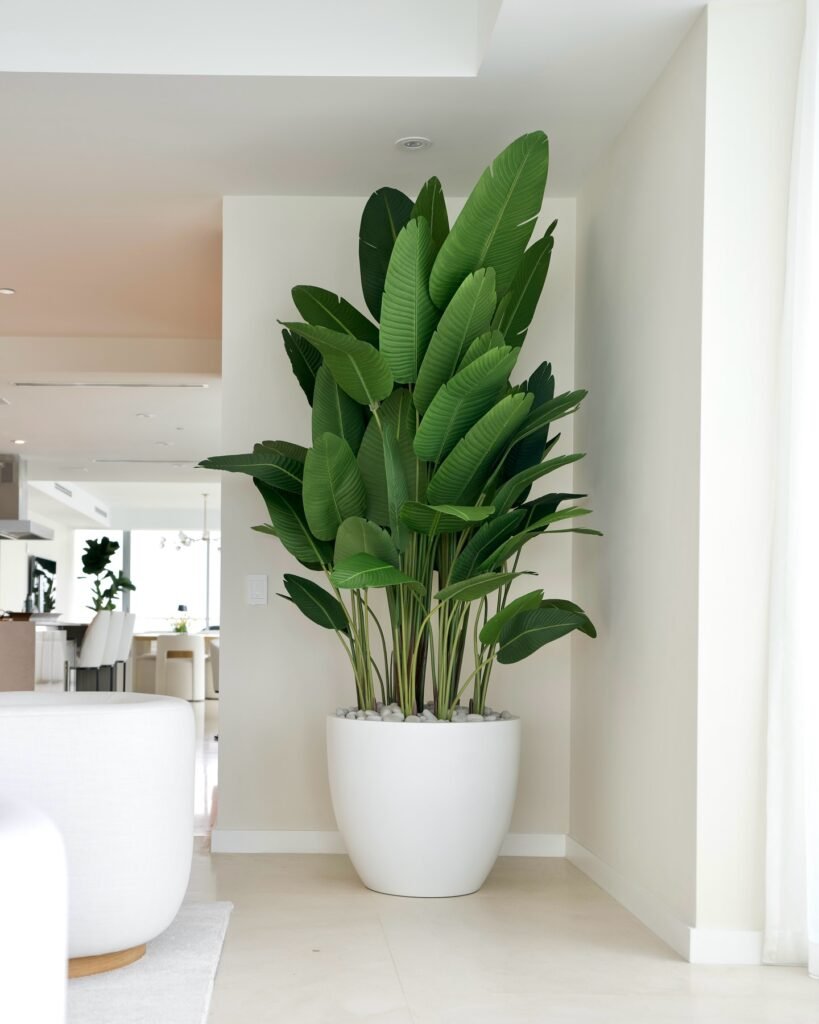
Bird of Paradise is a dramatic indoor plant with large, banana-like leaves that create a bold tropical statement. It’s perfect for spacious rooms where you want a strong visual centerpiece. Its upright growth and wide leaves make it feel like a natural decor element rather than just a plant.
This plant needs bright light, ideally near a sunny window, to grow well indoors. Water it regularly but allow the top layer of soil to dry slightly between watering. It also benefits from occasional misting to maintain humidity. With proper care, it can grow tall and even produce unique flowers in the right conditions.
23. String of Pearls
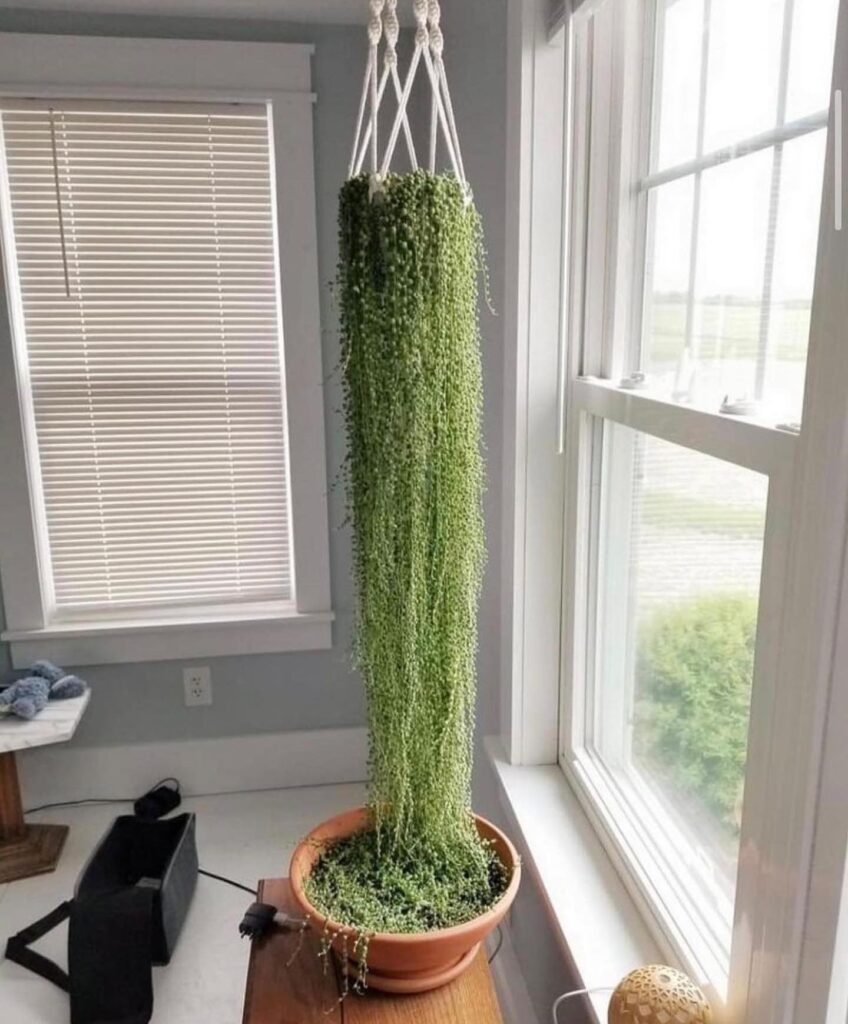
String of Pearls is a unique trailing succulent known for its bead-like leaves that cascade beautifully from hanging pots. It’s ideal for shelves or elevated spaces where its delicate strands can hang freely and create a soft, flowing look. Its unusual appearance makes it a conversation piece.
It thrives in bright, indirect light and requires minimal watering. Allow the soil to dry out completely between watering sessions to prevent root rot. Using well-draining soil is essential for its health. Avoid overwatering, as this is the most common reason the plant struggles indoors.
24. Oxalis
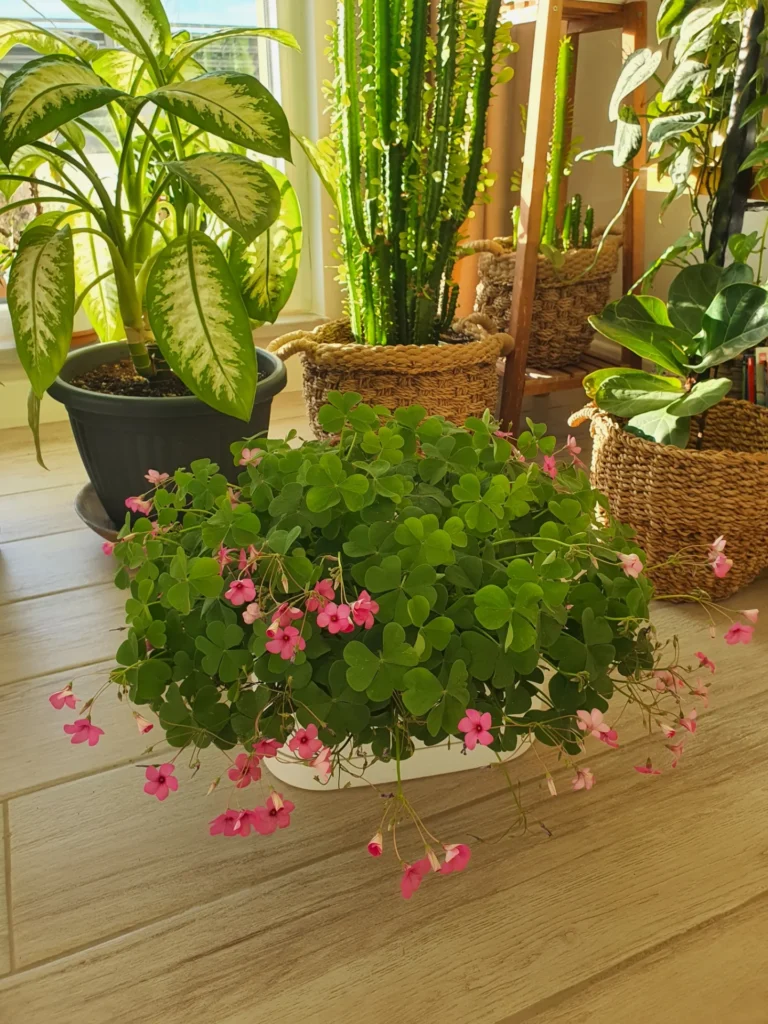
Oxalis is a charming indoor plant with delicate, clover-shaped leaves that open during the day and close at night. This movement adds a dynamic element to your space, making it feel more alive and interactive. Its soft, colorful foliage works well in bright, decorative setups.
It prefers bright, indirect light and moderate watering. Keep the soil slightly moist but avoid overwatering, as it can lead to root issues. Oxalis also goes through a natural dormancy period, during which growth slows down. Reducing watering during this time helps the plant recover and grow back stronger.
25. Ponytail Palm
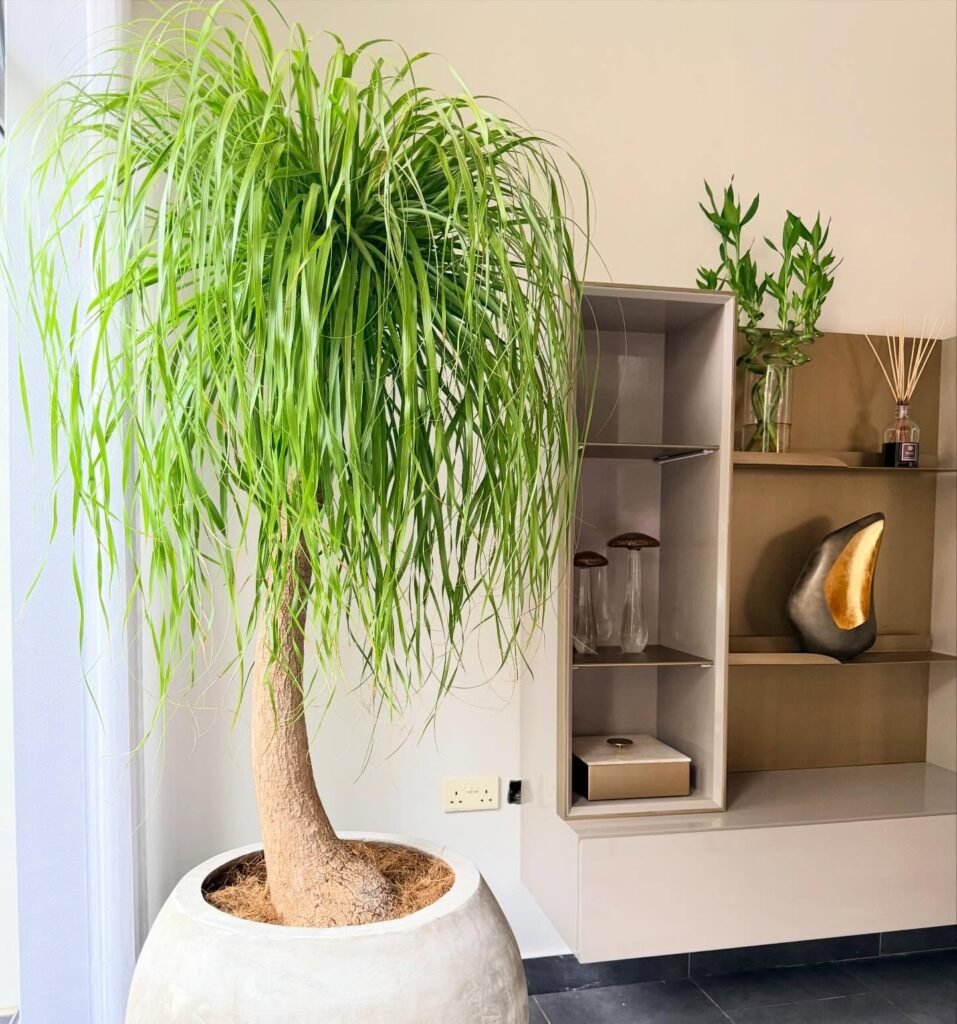
Ponytail Palm is a unique indoor plant with a swollen base and long, arching leaves that resemble a fountain. Its sculptural look makes it a great decorative piece for modern or minimal interiors. Despite its name, it’s actually a succulent, which explains its low-maintenance nature.
It thrives in bright light and requires very little watering. Allow the soil to dry completely between watering sessions to avoid overwatering. Its bulb-like base stores water, helping it survive dry conditions. This makes it perfect for people who want a distinctive plant without frequent care.
26. Aglaonema
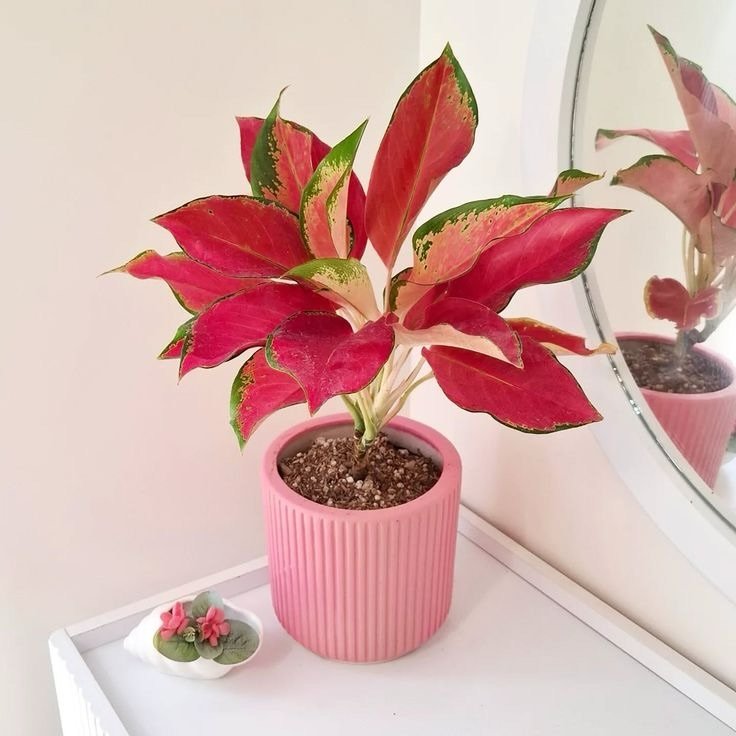
Aglaonema, also known as Chinese Evergreen, is a low-maintenance indoor plant with beautifully patterned leaves. Its mix of green, silver, and sometimes pink tones adds subtle color without overwhelming the space. It works especially well in bedrooms, offices, or low-light corners.
It thrives in low to medium indirect light and requires moderate watering. Allow the soil to dry slightly between watering sessions to prevent root problems. It’s highly adaptable to indoor conditions, making it one of the most reliable plants for beginners or anyone with a busy routine.
27. Bamboo Palm
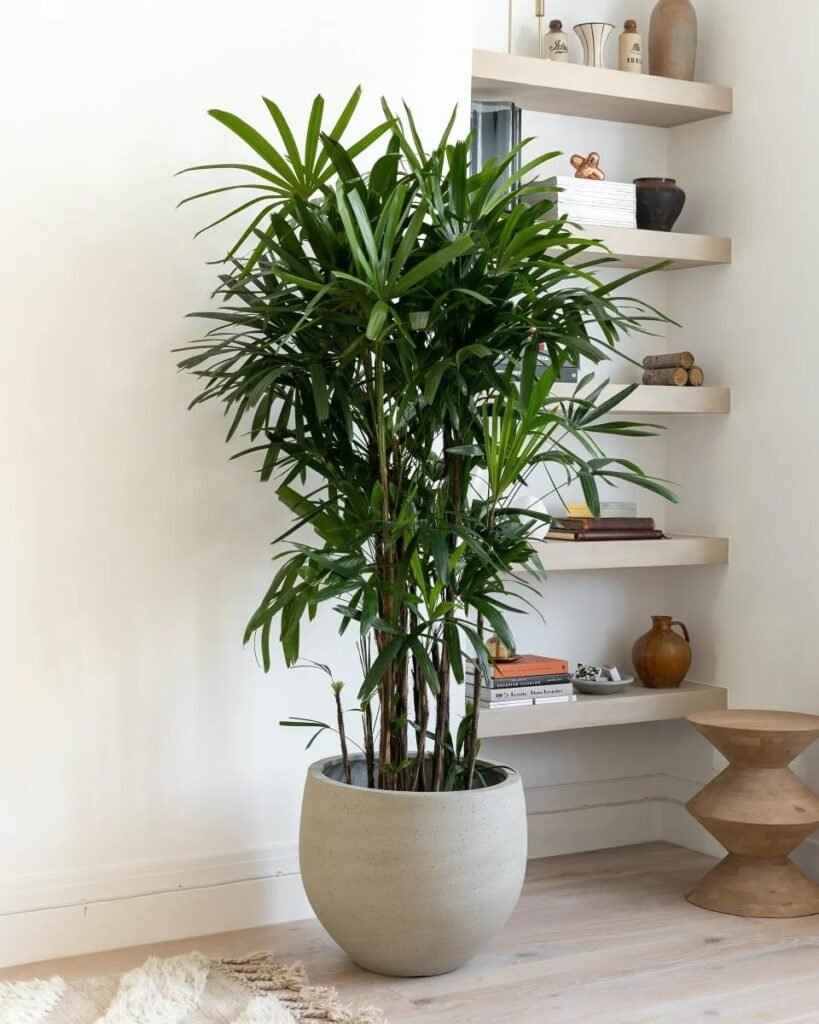
Bamboo Palm is a soft, elegant indoor plant that adds a natural, airy feel with its slender stems and feathery leaves. It works well in living rooms or as a subtle divider in open spaces, creating a relaxed and inviting atmosphere without feeling heavy.
It prefers bright, indirect light and consistently moist soil. Regular watering is important, but avoid letting the roots sit in water. Occasional misting helps maintain humidity and keeps the leaves fresh. With steady care, it grows into a full, graceful plant that enhances indoor spaces.
28. Kalanchoe
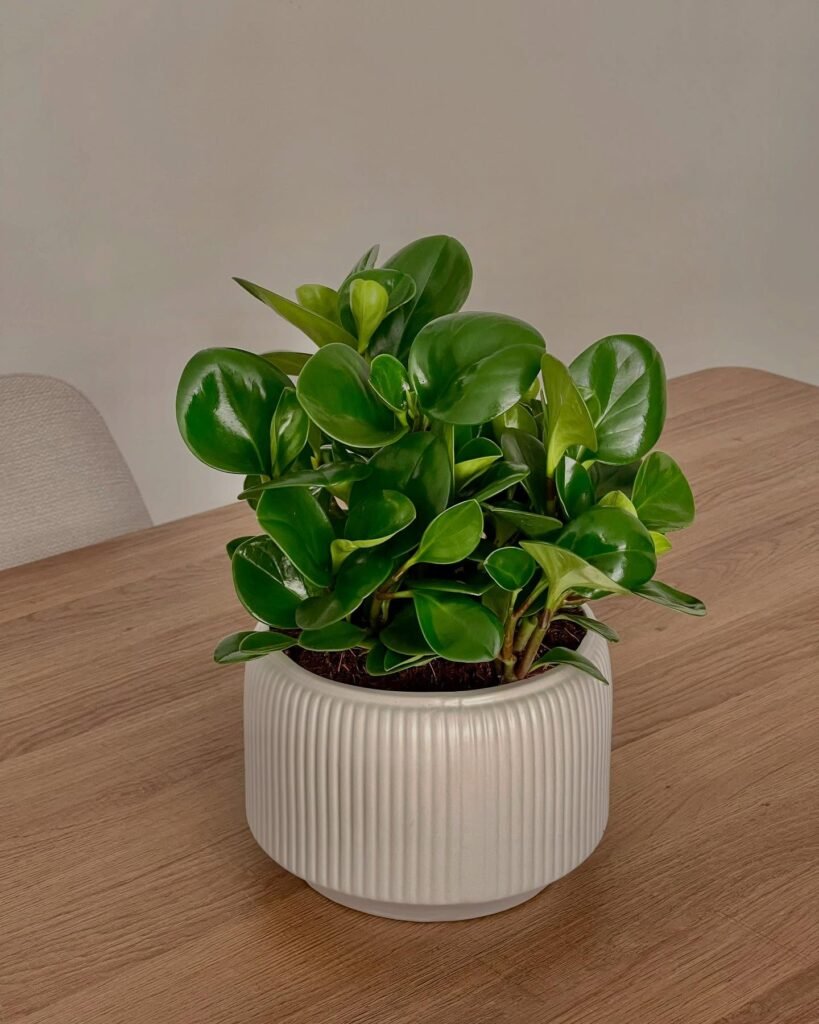
Kalanchoe is a flowering succulent that adds bright color indoors with its clusters of small, vibrant blooms. It’s perfect for windowsills, desks, or any space that needs a pop of color without requiring constant maintenance. Its compact size makes it easy to place anywhere.
It thrives in bright light and requires minimal watering. Allow the soil to dry out completely between watering sessions to prevent root rot. Removing spent flowers encourages new blooms and keeps the plant looking fresh. With proper care, it provides long-lasting color indoors.
29. Peperomia
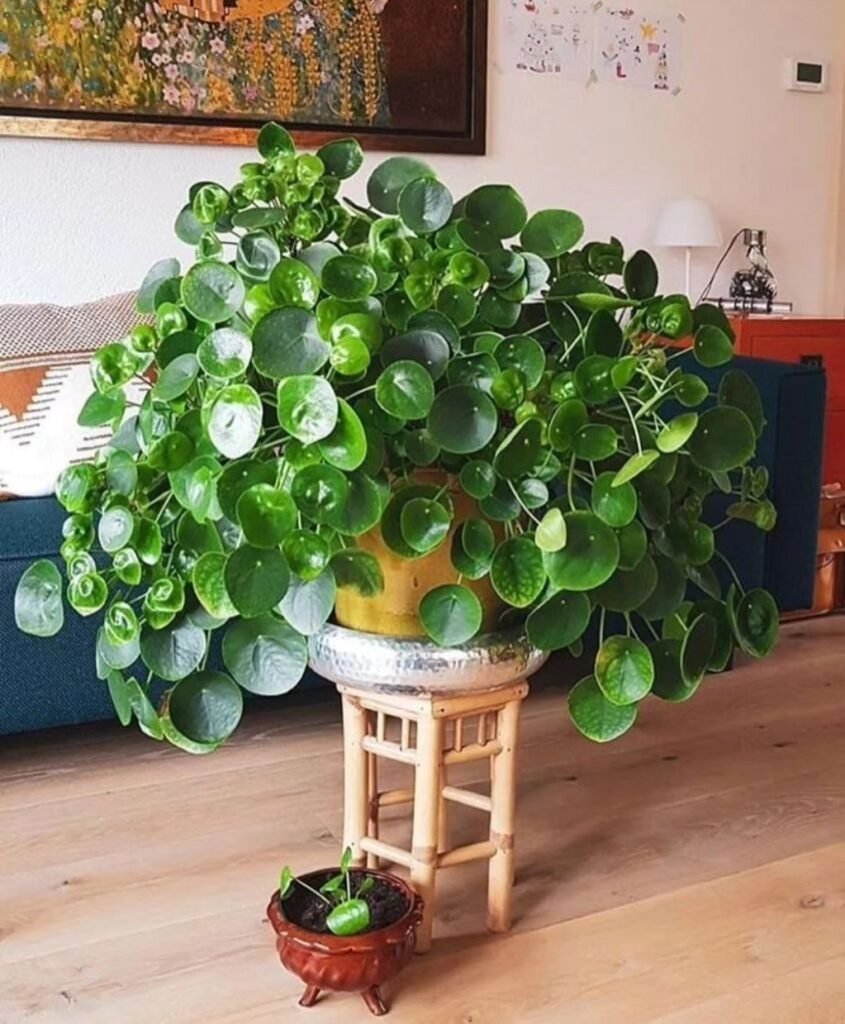
Peperomia is a compact indoor plant with thick, textured leaves that come in various shapes and patterns. Its small size makes it ideal for desks, shelves, or tight spaces where larger plants wouldn’t fit. It adds subtle greenery without taking over the area.
It prefers bright, indirect light and light watering. Allow the soil to dry slightly between watering to avoid overwatering issues. Using well-draining soil helps maintain healthy roots. Its slow growth and low maintenance make it a great option for beginners or small-space living.
30. Prayer Plant
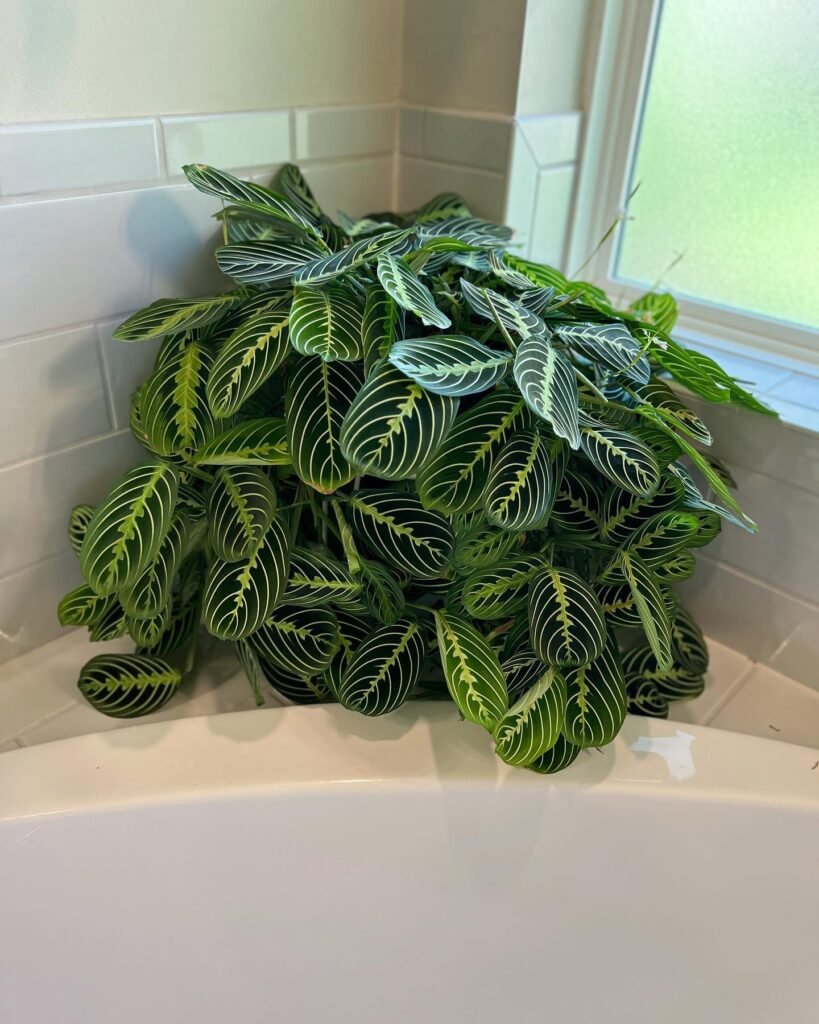
Prayer Plant is known for its beautifully patterned leaves that fold upward at night, giving it a unique, living quality. This movement makes it feel more interactive and adds interest to any indoor setup. It’s perfect for decorative shelves or bedside tables.
It prefers low to medium light and high humidity to maintain its vibrant colors. Keep the soil consistently moist but not soggy, and mist regularly to support humidity. Avoid dry air, as it can cause leaf edges to brown. With proper care, it stays lush and visually striking.
31. English Ivy
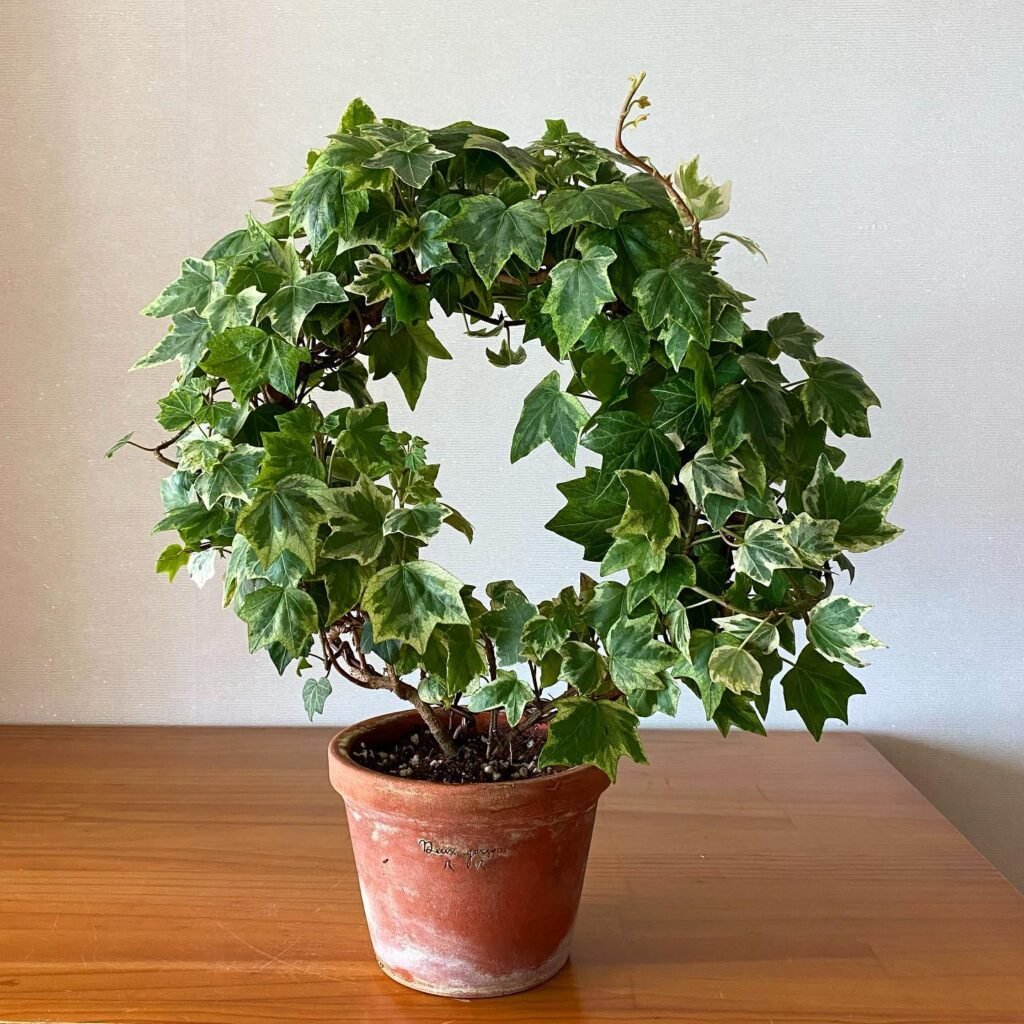
English Ivy is a classic trailing plant that brings a timeless, elegant feel to indoor spaces. Its cascading vines look beautiful on shelves, hanging baskets, or even trained along walls for a more styled effect. It works well in both traditional and modern interiors, adding a soft, natural touch without overwhelming the space.
It grows best in bright, indirect light but can also adapt to moderate indoor conditions. Water it regularly, allowing the top layer of soil to dry slightly between watering sessions. Trimming the vines helps maintain shape and encourages fuller growth. Good air circulation is important to keep the plant healthy indoors.
32. Swiss Cheese Plant
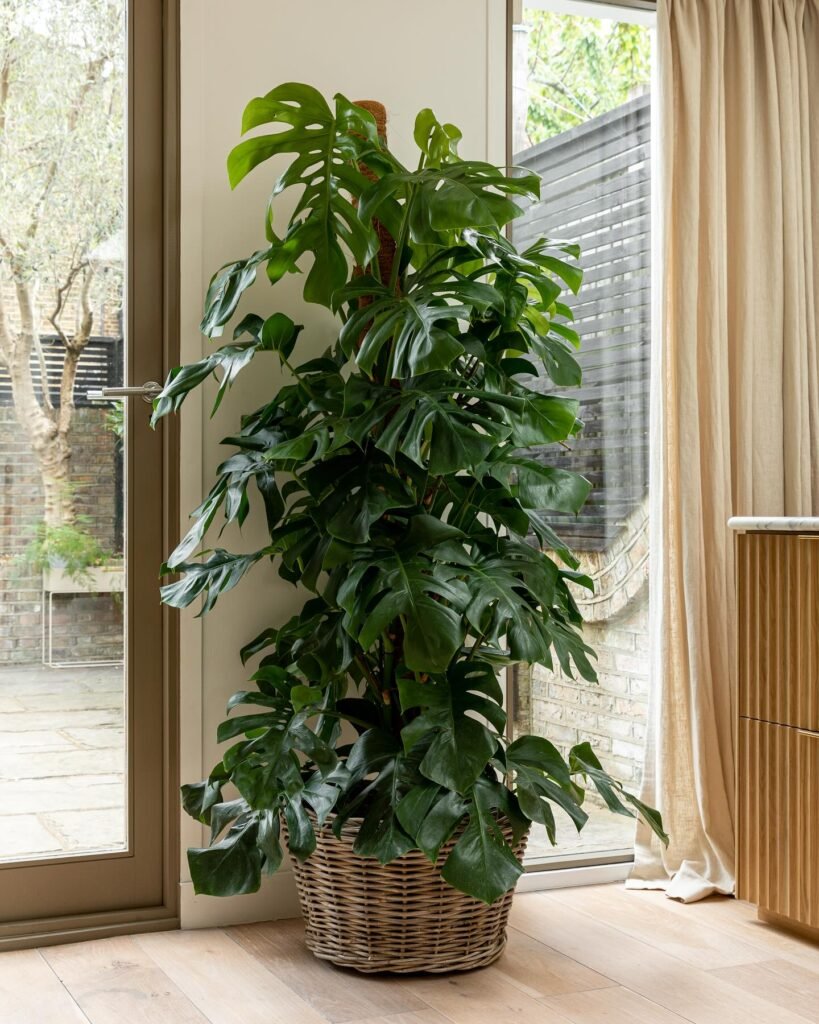
Swiss Cheese Plant is known for its unique leaves filled with natural holes, giving it a bold and tropical appearance. It adds strong visual interest and works well as a statement plant in living rooms or larger indoor areas. Its unusual leaf pattern makes it stand out without needing extra decor around it.
It prefers bright, indirect light and moderate watering to maintain healthy growth. Allow the soil to dry slightly between watering sessions to avoid root problems. Providing a support structure helps it climb and develop larger leaves. With proper care, it grows into a striking and eye-catching indoor plant.
33. Nerve Plant
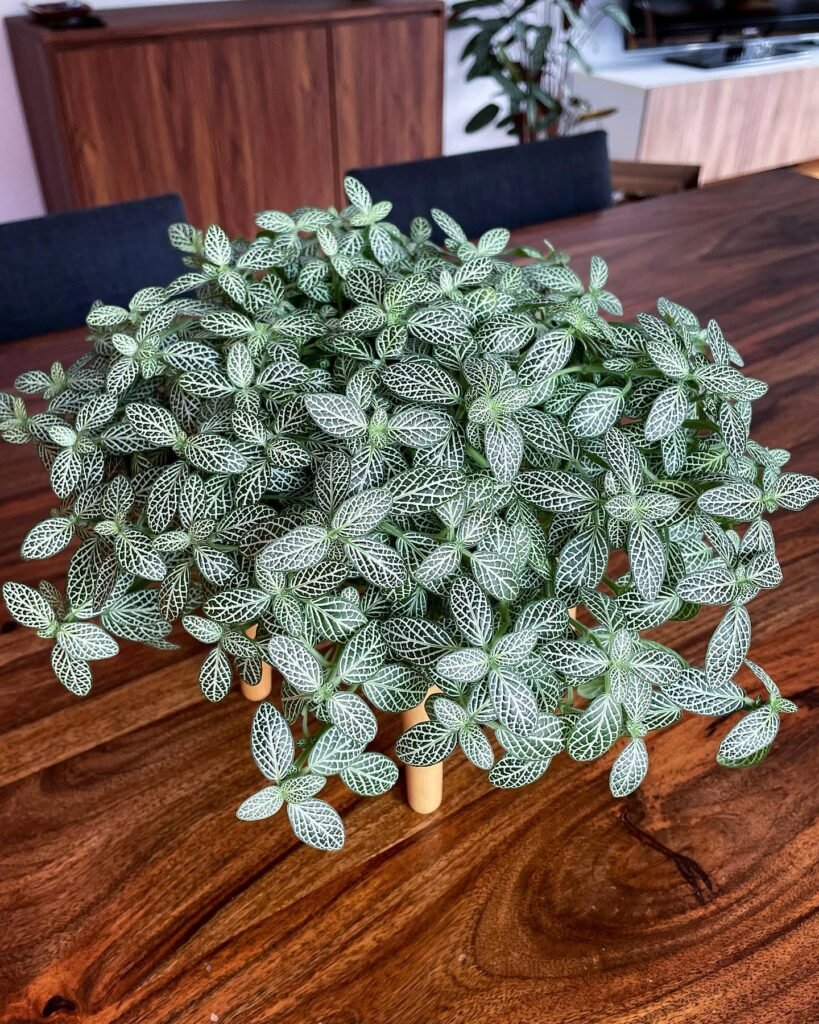
Nerve Plant is a compact indoor plant admired for its vibrant leaf veins that create a detailed, decorative look. Its small size makes it ideal for desks, shelves, or small decorative corners where you want a pop of color without taking up too much space.
It thrives in low to medium light and requires high humidity to stay healthy. Keep the soil consistently moist but not soggy, and mist regularly to prevent the leaves from drying out. It can be slightly sensitive, so maintaining stable conditions helps keep it looking fresh and vibrant.
34. Cast Iron Plant
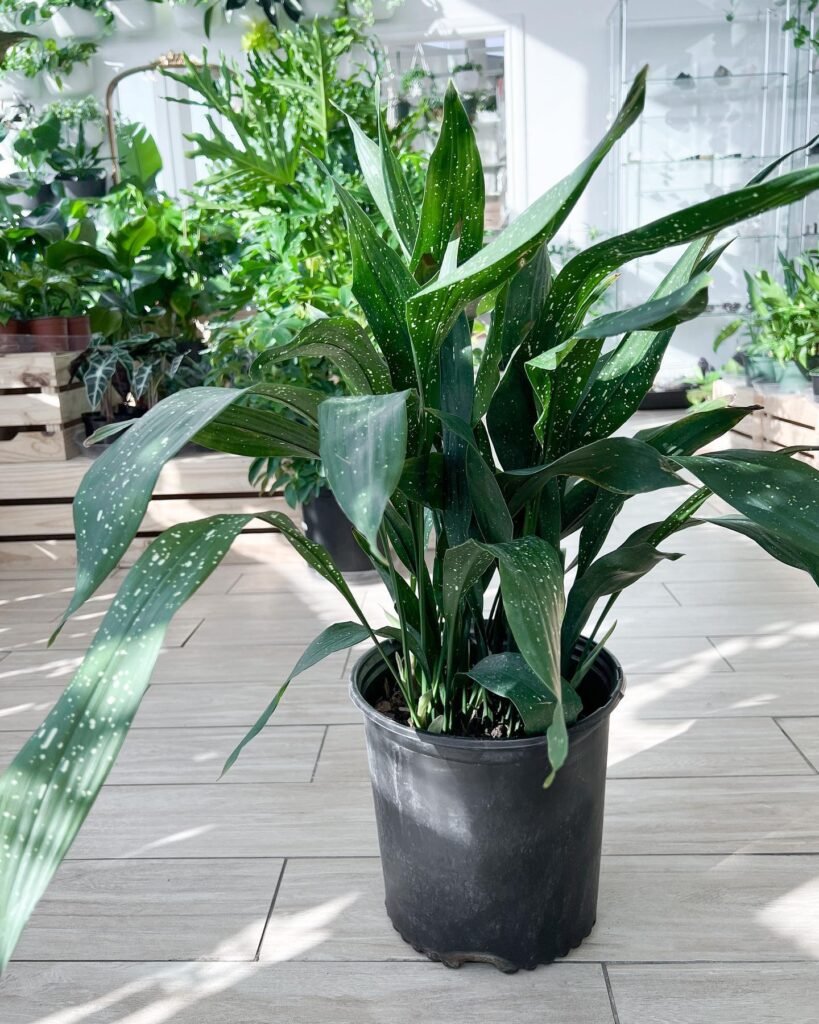
Cast Iron Plant is one of the toughest indoor plants, known for its ability to survive in low light and less-than-ideal conditions. Its deep green, sturdy leaves give it a simple yet strong appearance, making it perfect for areas where other plants might struggle.
It requires very little maintenance and only needs occasional watering. Allow the soil to dry out between watering sessions to avoid overwatering issues. It tolerates neglect well, making it an excellent choice for beginners or anyone who wants a durable plant without constant care.
35. Air Plants (Tillandsia)
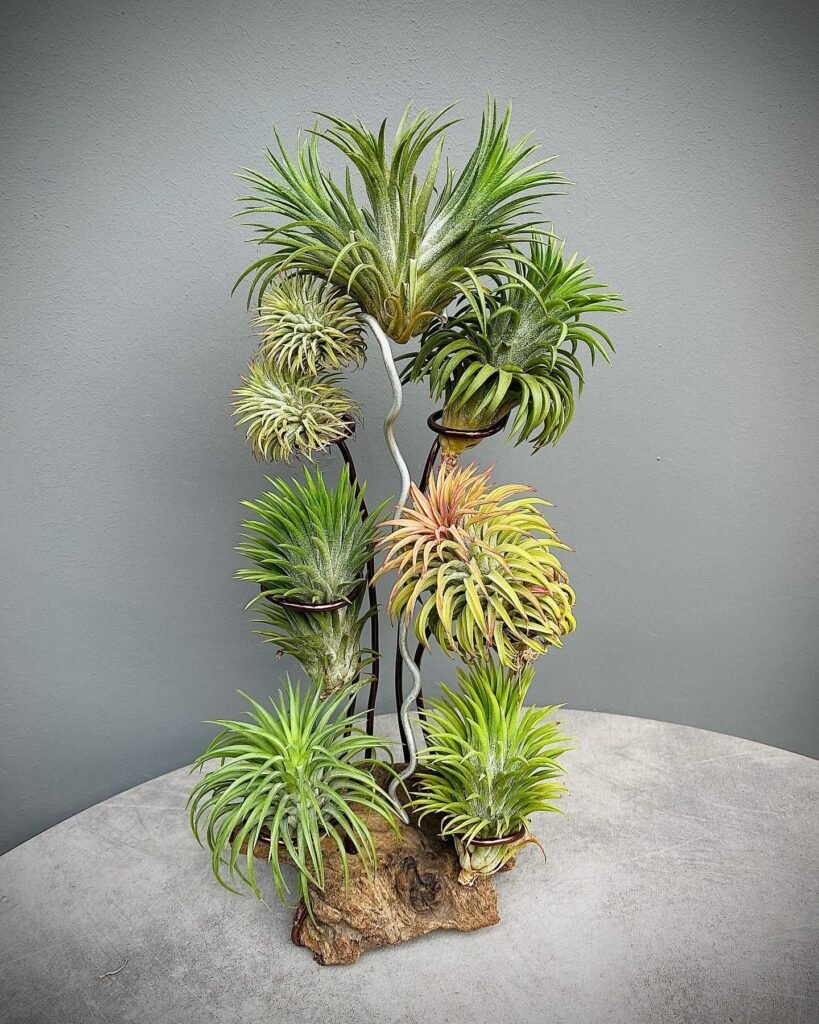
Air Plants are unique because they don’t require soil, making them incredibly versatile for creative indoor displays. They can be placed in glass containers, mounted on wood, or styled in decorative holders, adding a modern and minimal touch to your space.
They need bright, indirect light and regular misting or occasional soaking to stay hydrated. Good air circulation is essential, so avoid placing them in closed containers without ventilation. With proper care, they remain healthy and offer endless styling possibilities for indoor decor.
FAQs
What are the easiest indoor plants for beginners?
Snake Plant, Pothos, ZZ Plant, and Spider Plant are among the easiest indoor plants. They tolerate low light, irregular watering, and general neglect, making them perfect for beginners.
How often should I water indoor plants?
It depends on the plant, but most indoor plants should be watered when the top inch of soil feels dry. Overwatering is the most common mistake, so it’s better to underwater slightly than overwater.
Which indoor plants grow in low light?
Plants like Snake Plant, ZZ Plant, Chinese Evergreen, and Cast Iron Plant can survive and grow well in low-light conditions, making them ideal for darker rooms.
Do indoor plants improve air quality?
Some indoor plants can help filter toxins and improve air quality slightly, but their biggest benefit is creating a calming and refreshing indoor environment.
What is the best indoor plant for decoration?
Monstera, Fiddle Leaf Fig, and Bird of Paradise are great for making a bold statement, while trailing plants like Pothos and English Ivy add softness and depth to decor.