14 Giant Indoor Plants That Never Die: Your Complete Guide
Imagine walking into a room and being greeted by a towering fiddle-leaf fig or a lush, sprawling monstera that touches the ceiling. Giant indoor plants have a way of transforming a plain living space into something that feels alive, grounded, and utterly breathtaking. The only problem? Most people assume that big, dramatic plants are also high-maintenance and temperamental.
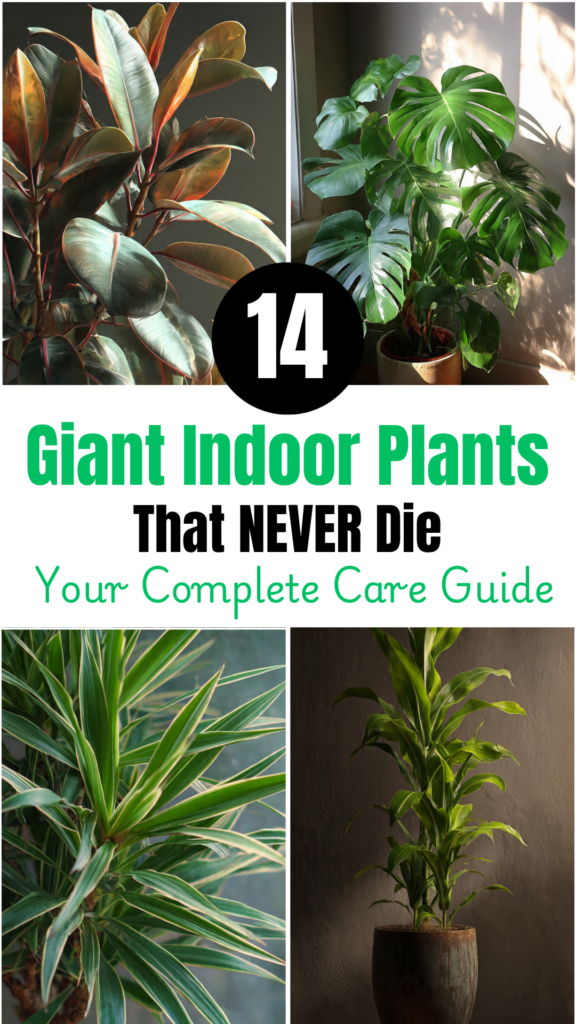
The truth is quite the opposite. Many of the most impressive, statement-making houseplants are also the most forgiving. Whether you’re a seasoned plant parent or someone who has killed every succulent they’ve ever owned, this guide is for you. Here are 14 giant indoor plants that are practically indestructible and everything you need to know to help them thrive.
1. Fiddle-Leaf Fig (Ficus lyrata)
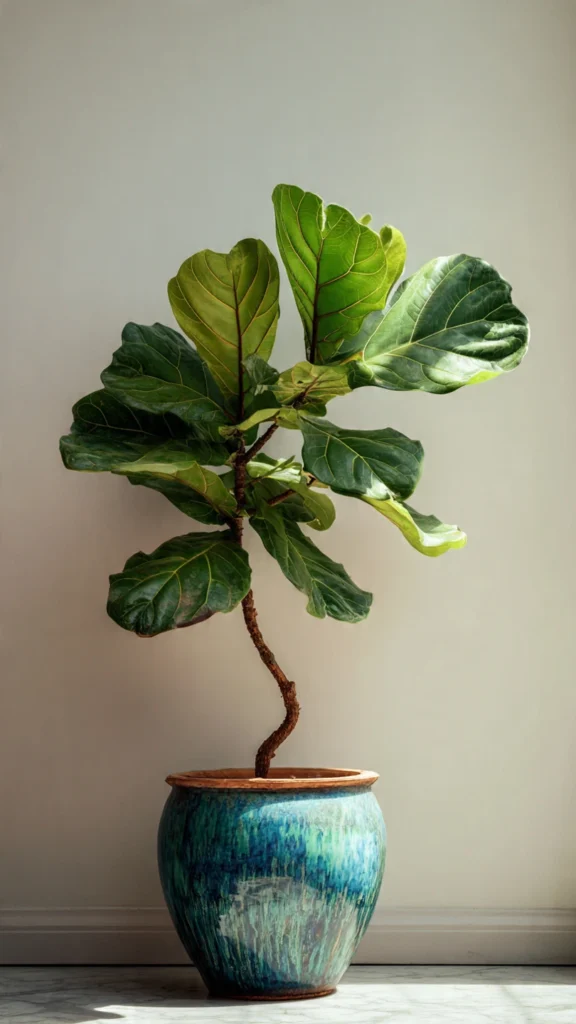
The fiddle-leaf fig is the undisputed king of interior design. With its broad, violin-shaped leaves and upright growth that can reach 6 feet or more indoors, it makes an instant statement in any room.
Care tips: Place it in bright, indirect light near a south or east-facing window. Water when the top inch of soil is dry, and avoid moving it frequently it hates change. Wipe its large leaves with a damp cloth monthly to help it breathe and photosynthesize efficiently.
2. Monstera Deliciosa (Swiss Cheese Plant)
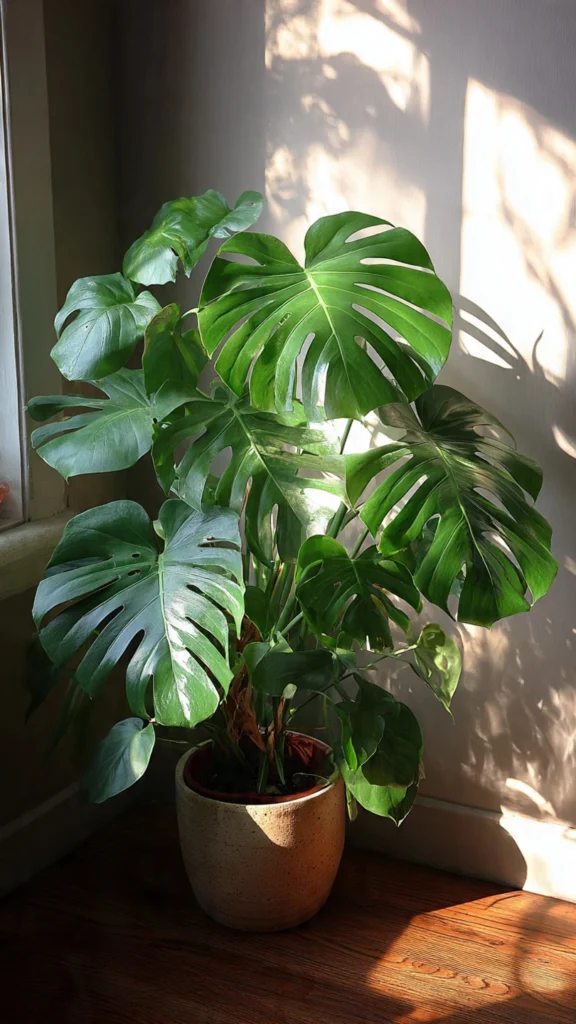
Few plants are as recognizable or as dramatic as the monstera. Its fenestrated, split leaves can grow enormous – up to 18 inches wide and the plant itself can easily reach ceiling height over a few years.
Care tips: Thrives in medium to bright indirect light. Water every 1–2 weeks, allowing the soil to dry out partially between waterings. Give it a moss pole or trellis to climb, and watch it grow into a true jungle centerpiece.
3. Bird of Paradise (Strelitzia nicolai)
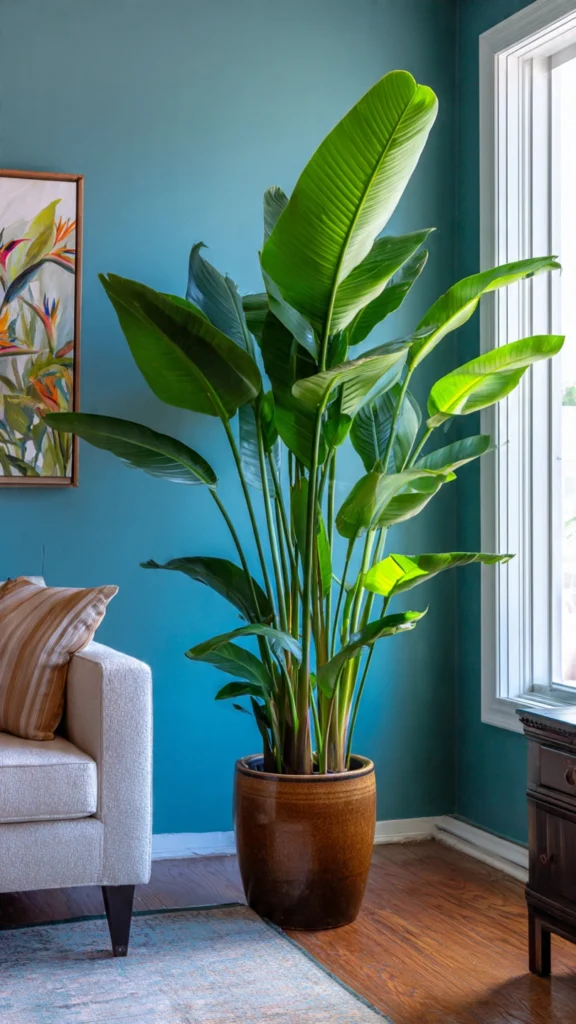
The white bird of paradise is a showstopper. Its enormous paddle-shaped leaves arch dramatically outward, and the plant can tower 6 to 8 feet tall indoors. Unlike many large plants, it’s surprisingly tolerant of neglect.
Care tips: Needs bright, direct light for best growth. Water thoroughly, then let the soil dry out. Brown leaf edges are usually a sign of low humidity, misting occasionally or placing a humidifier nearby will help.
4. Dracaena (Dracaena marginata / Dracaena fragrans)
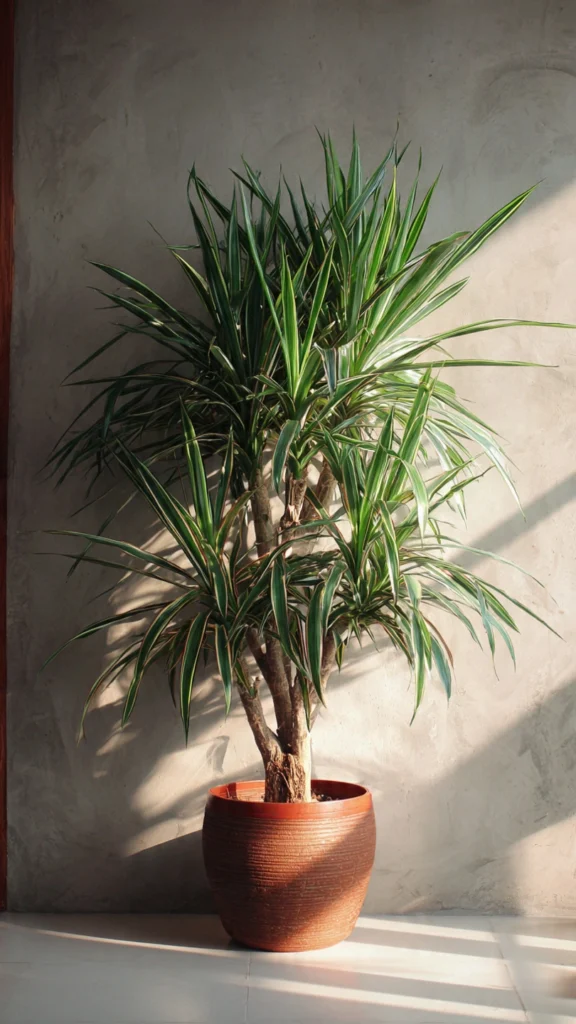
Dracaenas are some of the most adaptable tall plants you can grow indoors. They feature long, strap-like leaves growing from cane-like stems and can reach heights of 6 feet or more. They’re practically bulletproof.
Care tips: Tolerates low light, though growth is faster in brighter conditions. Water sparingly overwatering is the main killer of dracaenas. Allow the soil to dry completely between waterings. Sensitive to fluoride in tap water, so filtered water is ideal.
5. Rubber Plant (Ficus elastica)
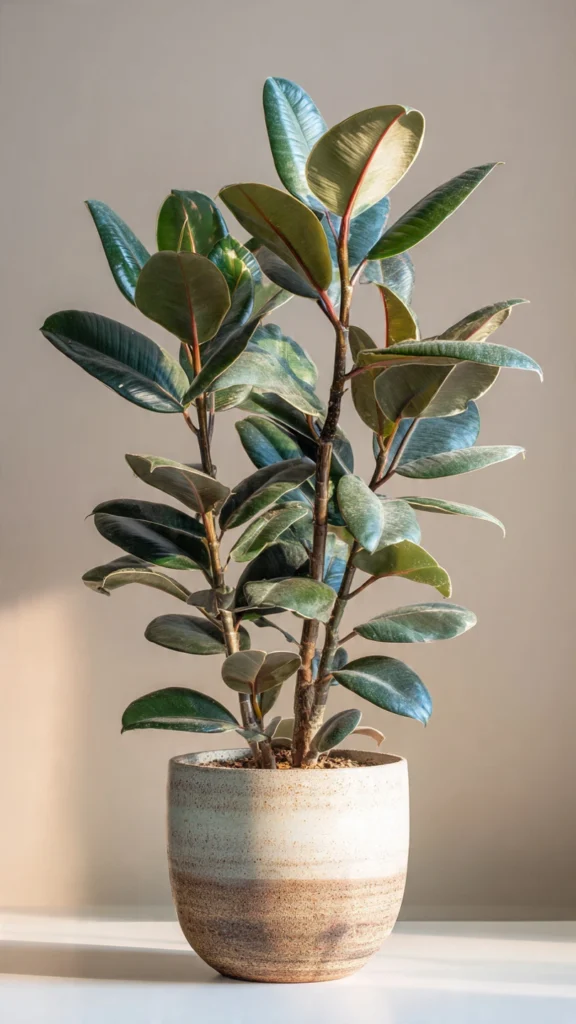
With its glossy, deep green (or burgundy) leaves and upright, tree-like form, the rubber plant is one of the most stylish giants you can grow indoors. It’s also one of the most forgiving.
Care tips: Prefers bright, indirect light but adapts to lower light conditions better than most ficus varieties. Water moderately in spring and summer, less in winter. Wipe leaves occasionally to keep them gleaming and dust-free.
6. Corn Plant (Dracaena fragrans)
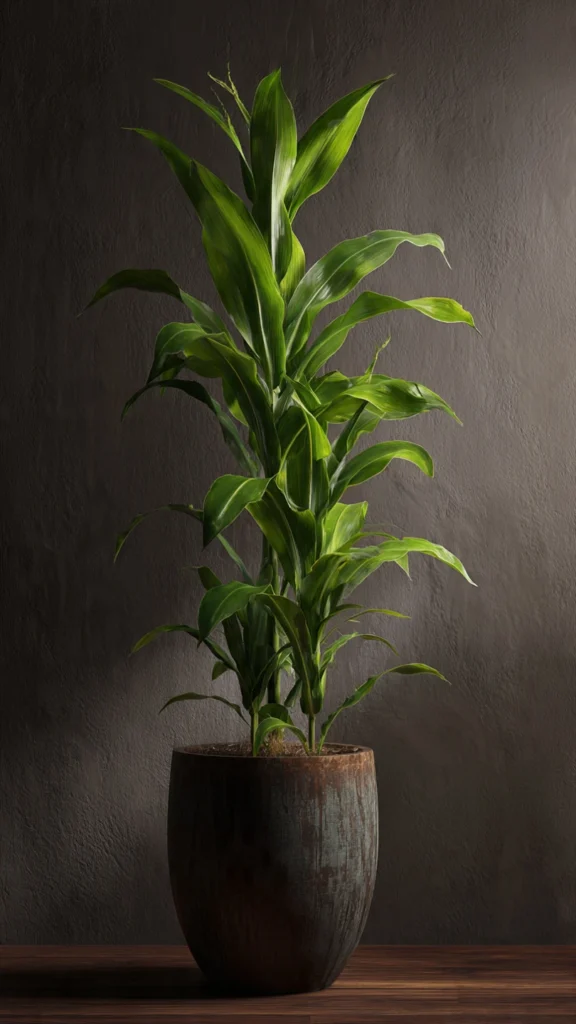
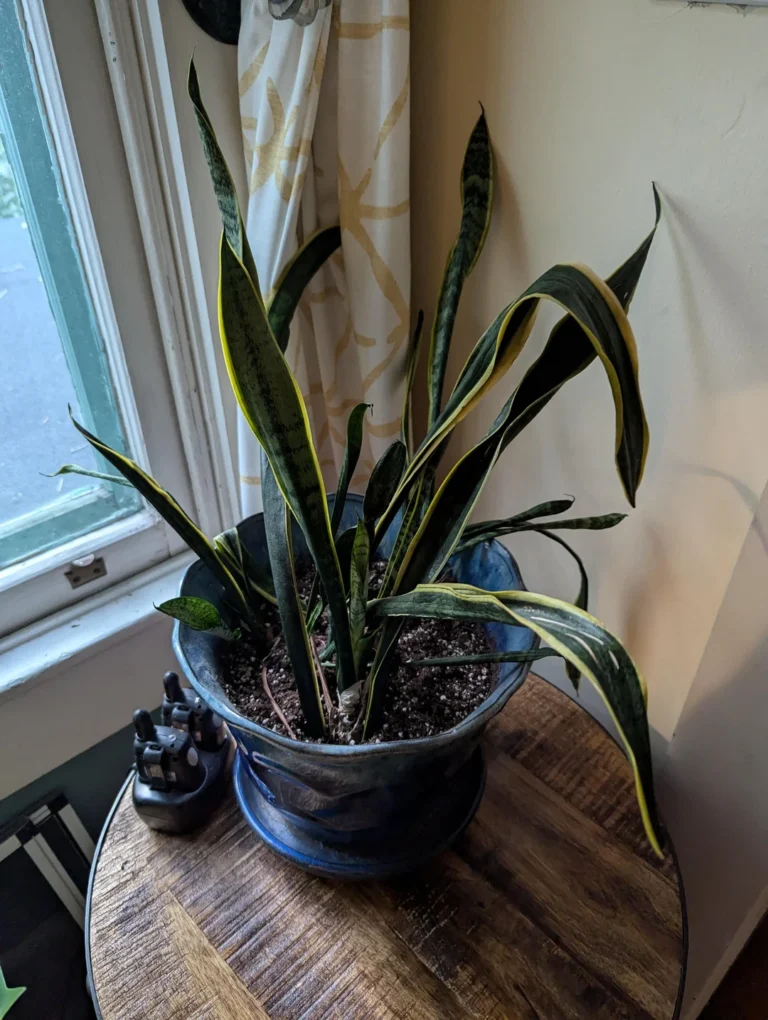
A close cousin of the dracaena family, the corn plant features wide, arching leaves with a yellow stripe running down the center. It’s incredibly hardy and can grow up to 6 feet indoors without much fuss.
Care tips: Low-light tolerant and drought-resistant. Water every 7–10 days in summer and reduce in winter. Keep away from cold drafts and air conditioning vents.
7. Areca Palm (Dypsis lutescens)
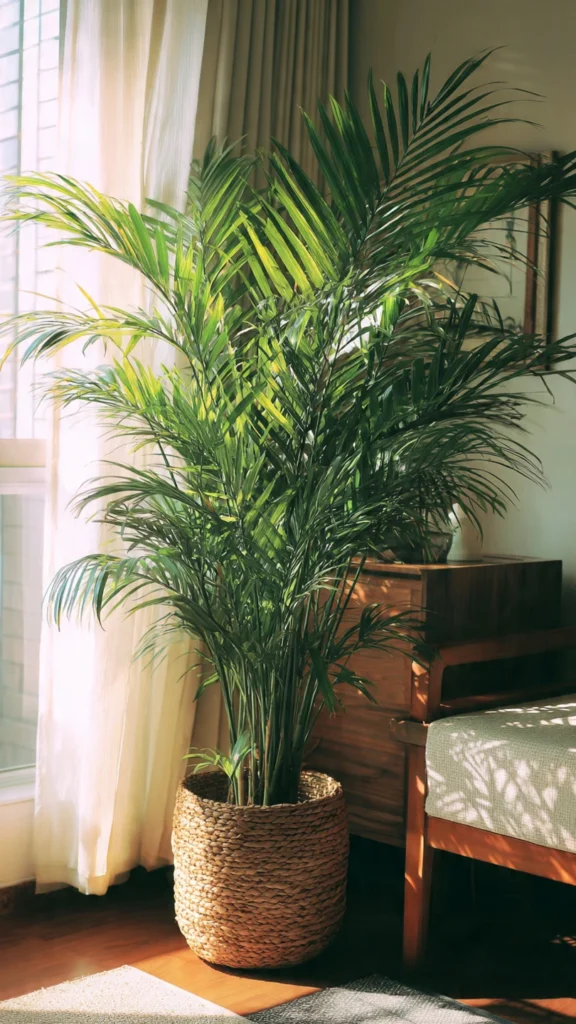
If you dream of a tropical, resort-like living room, the areca palm is your answer. Its feathery, arching fronds create a lush canopy that can reach 7 feet indoors, making it one of the most magnificent houseplants available.
Care tips: Needs bright, indirect light. Keep the soil evenly moist but never waterlogged. A natural humidifier — it transpires significant moisture — making it particularly beneficial in dry climates or during winter heating season.
8. Kentia Palm (Howea forsteriana)
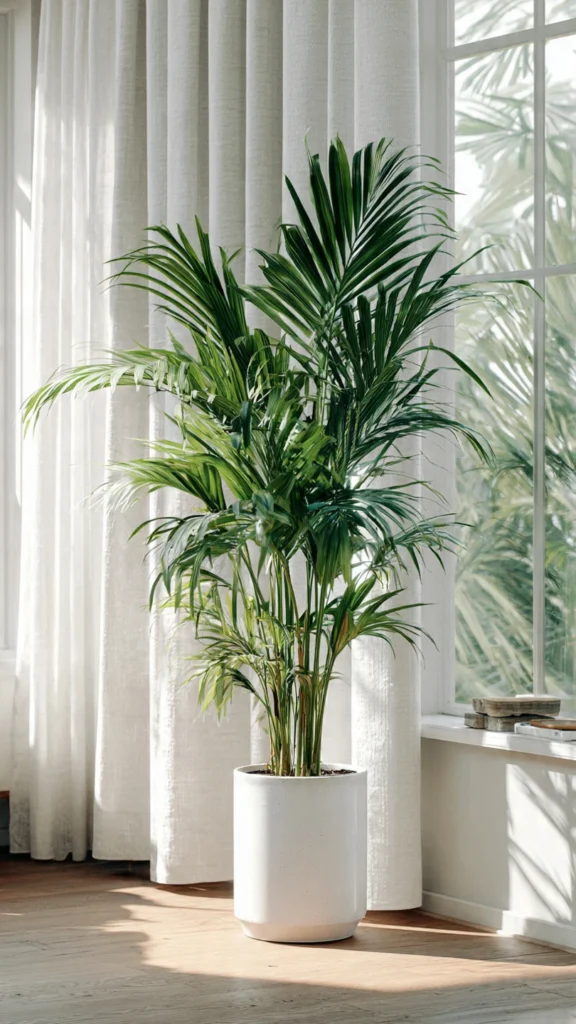
If the areca palm is the extrovert, the kentia palm is its elegant, understated sibling. Slower-growing and even more tolerant of low light and irregular watering, it’s considered one of the most adaptable palms for indoor growing.
Care tips: Thrives in low to bright indirect light. Water when the top 2 inches of soil are dry. Extremely tolerant of neglect – it’s been popular in indoor spaces since the Victorian era for good reason.
9. Elephant Ear Plant (Alocasia / Colocasia)
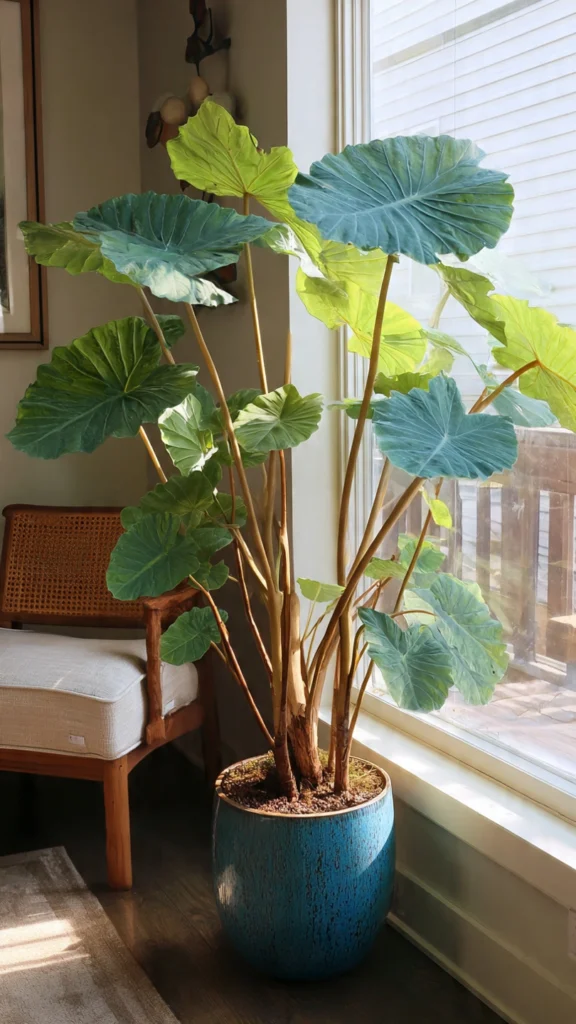
Named for their dramatically oversized, heart-shaped leaves, elephant ear plants are true conversation starters. Some varieties can produce leaves that are 2 to 3 feet long, giving any room an instant tropical feel.
Care tips: Prefers bright, indirect light and consistently moist (not soggy) soil. High humidity is important – place near a humidifier or in a bathroom with natural light. Goes dormant in winter, so reduce watering during that period.
10. Yucca (Yucca elephantipes)
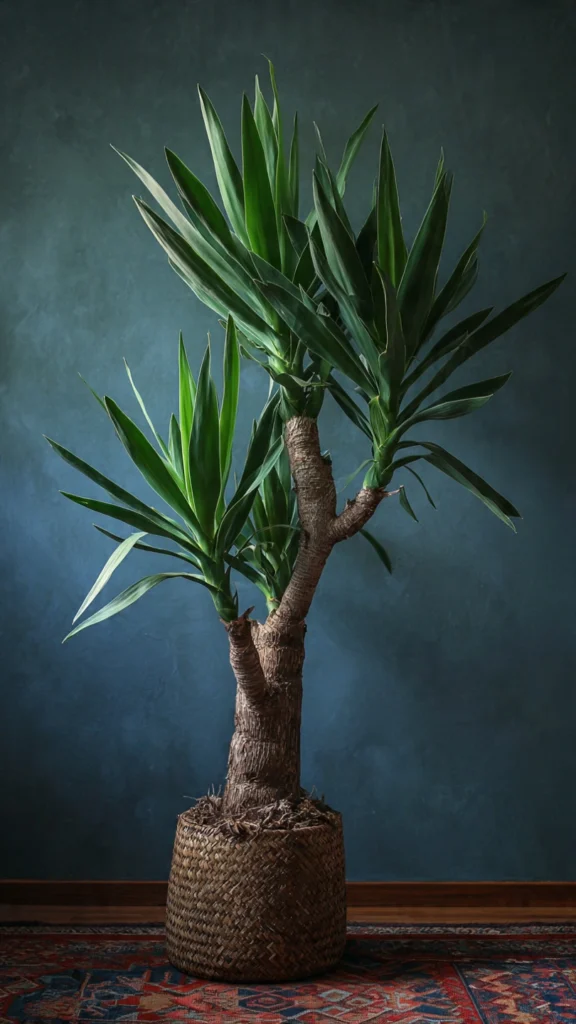
Yuccas are the rebels of the indoor plant world architectural, spiky, and almost impossible to kill. Their sword-like leaves radiate from thick, woody canes, and they can grow impressively tall over time.
Care tips: Loves bright light, including direct sun. Extremely drought-tolerant water only every 2–3 weeks. Overwatering is the number one mistake people make with yuccas. Perfect for sunny, dry rooms and forgetful plant owners.
11. ZZ Plant (Zamioculcas zamiifolia)
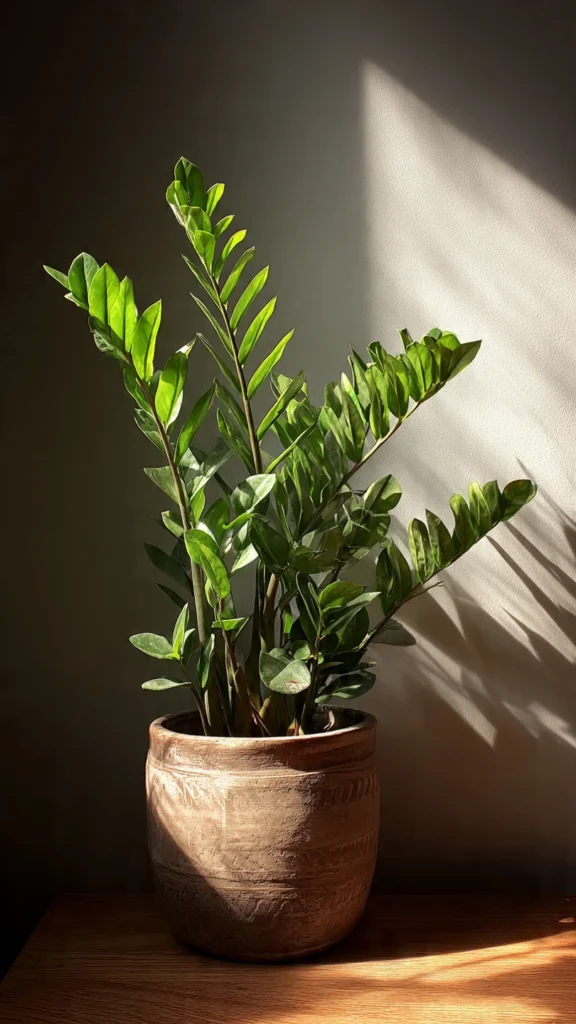
The ZZ plant has earned a legendary reputation as an indestructible houseplant. While not as dramatically towering as some others on this list, mature specimens can reach 3 to 4 feet tall with lush, waxy, dark green foliage.
Care tips: Thrives in low to moderate light — even fluorescent office lighting. Water every 2–3 weeks, as it stores water in its rhizomes. Nearly impossible to overwater if you follow a conservative schedule.
12. Schefflera (Umbrella Tree)
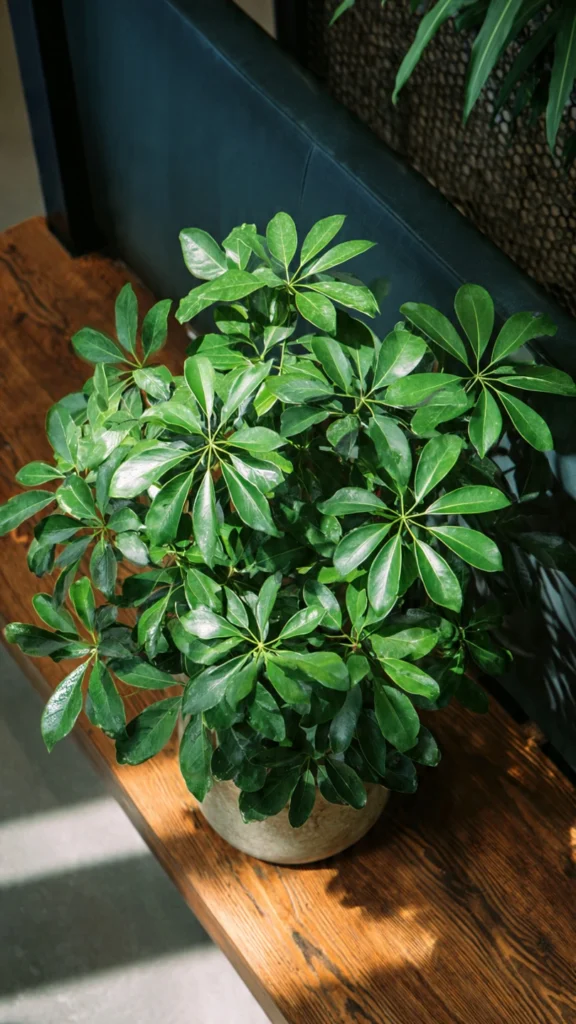
The schefflera gets its nickname from its distinctive leaves, which radiate outward like the spokes of an umbrella. A mature plant can grow 6 to 8 feet tall indoors and develops a beautiful, tree-like canopy over time.
Care tips: Prefers bright, indirect light and moderate watering. Allow the top inch of soil to dry between waterings. Prune to encourage bushiness and maintain your desired height.
13. Philodendron (Tree Philodendron / Philodendron bipinnatifidum)
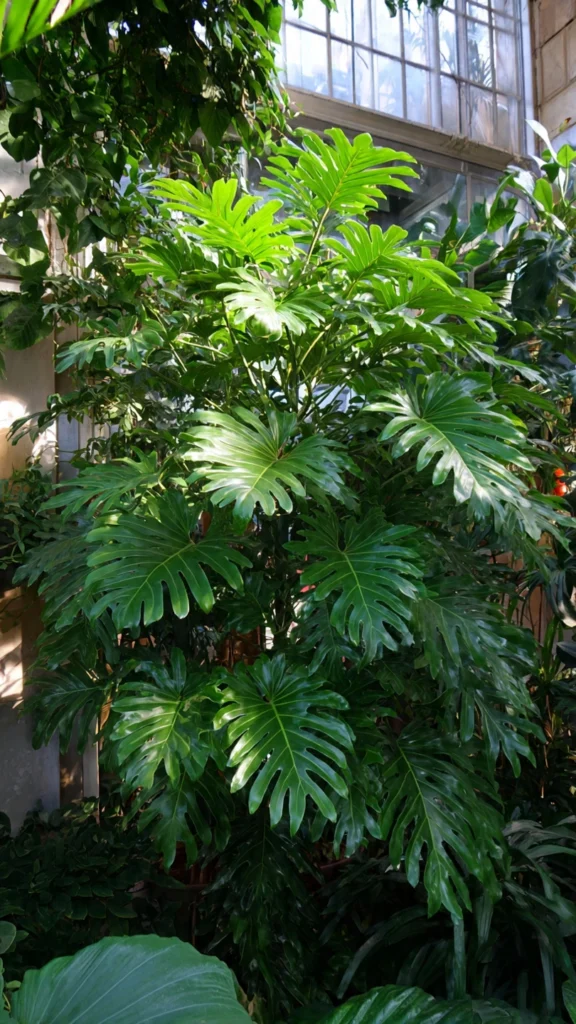
While many philodendrons are climbers, the tree philodendron grows as a self-supporting shrub that can reach 5 feet indoors. Its deeply lobed, tropical leaves are every bit as dramatic as a monstera and require even less fuss.
Care tips: Adaptable to a wide range of light conditions, from medium to bright indirect. Water when the top inch of soil is dry. One of the easiest large plants to care for, making it perfect for beginners looking to go big.
14. Bamboo Palm (Chamaedorea seifrizii)
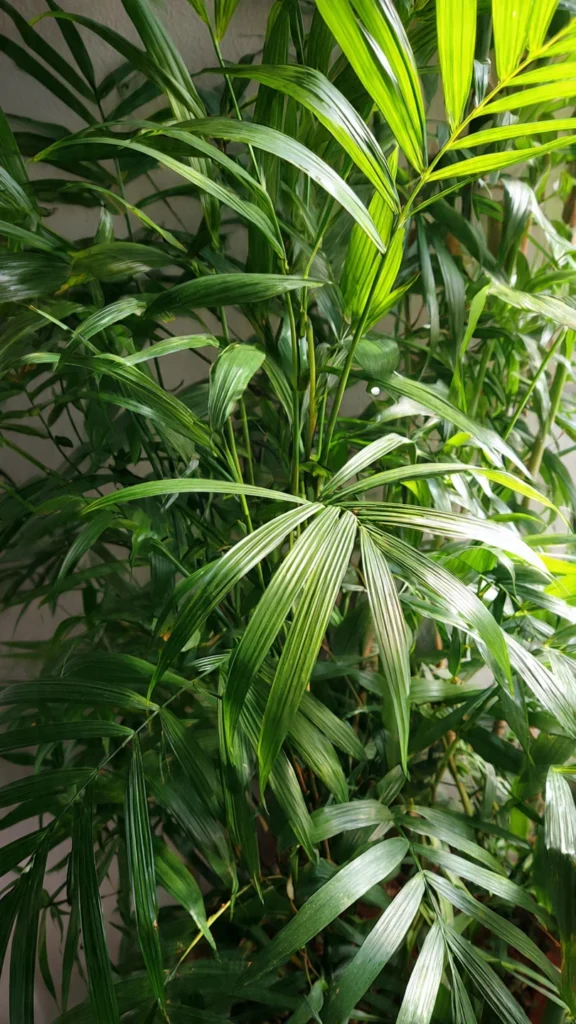
Rounding out our list is the bamboo palm, a refined and graceful plant that clusters multiple slender stems topped with feathery fronds. It grows 5 to 7 feet tall and is one of the best air-purifying plants you can own.
Care tips: Tolerates low to medium indirect light, making it one of the few large palms suited for dimmer interiors. Keep the soil evenly moist. Pet-friendly and non-toxic, making it a wonderful choice for households with animals.
General Rules for Keeping Giant Indoor Plants Alive
Growing big plants indoors doesn’t require a green thumb it requires good habits. Here are a few universal principles to keep in mind:
- Light is everything. Most large plants prefer bright, indirect light. When in doubt, move your plant closer to a window.
- Less water, more often works badly. Water deeply and infrequently rather than giving small sips every few days. Always check the soil before watering.
- Pot size matters. Don’t rush to upsize your pot – plants in oversized containers are prone to root rot. Move up one pot size at a time.
- Humidity helps. Many tropical giants prefer higher humidity. A simple pebble tray with water beneath the pot or a humidifier nearby makes a real difference.
- Feed during growing season. A balanced liquid fertilizer once a month during spring and summer will reward you with faster, lusher growth.
Final Thoughts
Giant indoor plants are one of the most transformative things you can add to your home and the good news is that the most spectacular ones are also the most resilient. From the sculptural drama of a bird of paradise to the tropical lushness of a kentia palm, there’s a towering plant on this list for every space, every light condition, and every level of gardening experience.
Start with one. Give it a good spot, water it with patience, and watch what happens. You might be surprised to find that the biggest plants in the room are also the ones asking the least of you.
FAQs
What is the easiest giant indoor plant to care for?
The ZZ Plant and Dracaena are widely considered the easiest giant indoor plants to maintain. Both tolerate low light, infrequent watering, and general neglect – making them perfect for beginners or busy plant owners.
Which large indoor plants grow in low light?
Several giant indoor plants thrive in low-light conditions, including the Kentia Palm, ZZ Plant, Dracaena, Bamboo Palm, and Corn Plant. These are ideal for rooms with small windows or limited natural sunlight.
How tall can indoor plants actually grow?
Many indoor plants can reach between 5 to 8 feet when grown in the right conditions. The Bird of Paradise, Areca Palm, and Schefflera are among the tallest, often growing up to 6–8 feet inside a home with adequate light and space.
How often should I water large indoor plants?
Most giant indoor plants prefer deep, infrequent watering rather than frequent small amounts. A general rule is to water every 7–14 days, always checking that the top 1–2 inches of soil are dry before watering again. Overwatering is the most common cause of death in large houseplants.
Are giant indoor plants safe for pets?
Not all large indoor plants are pet-friendly. The Bamboo Palm and Areca Palm are non-toxic to cats and dogs. However, plants like Dracaena, Monstera, and Elephant Ear can be toxic to pets if ingested. Always check the ASPCA’s toxic plant list before bringing a new plant home if you have animals.