37 Best Low Light Houseplants for Dark Rooms
Best low light houseplants can survive dim rooms, but not every plant commonly recommended for dark spaces truly belongs there. This list compares easy indoor plants for the home.
You will learn how much light each one actually needs, how watering changes in darker conditions, which varieties are pet-safe, and which popular plants to avoid. It also includes practical picks for windowless rooms, offices, bathrooms, and winter conditions.
What counts as low light
Low light is roughly 50 to 250 foot candles. The simplest test is whether a plant would cast a visible shadow at any point in the day. If not, you are in low light.
Distance matters as much as window direction. Six feet back from a bright south window is already low light. And low light is not no light, so a windowless room needs a grow light or a rotation system.
One thing before you choose. Variegated forms are not low light plants. Cream and white leaf sections contain no chlorophyll, so they need more light than plain green versions, not less.
The watering change
In a dark corner a plant uses less water and the soil dries more slowly. Keep your usual routine after moving a plant somewhere dim and you are now overwatering it.
Roughly double the interval between waterings and check the soil two to three inches down every time. Root rot kills more low light plants than darkness does. Our planter box ideas cover containers that drain properly.
1. ZZ Plant
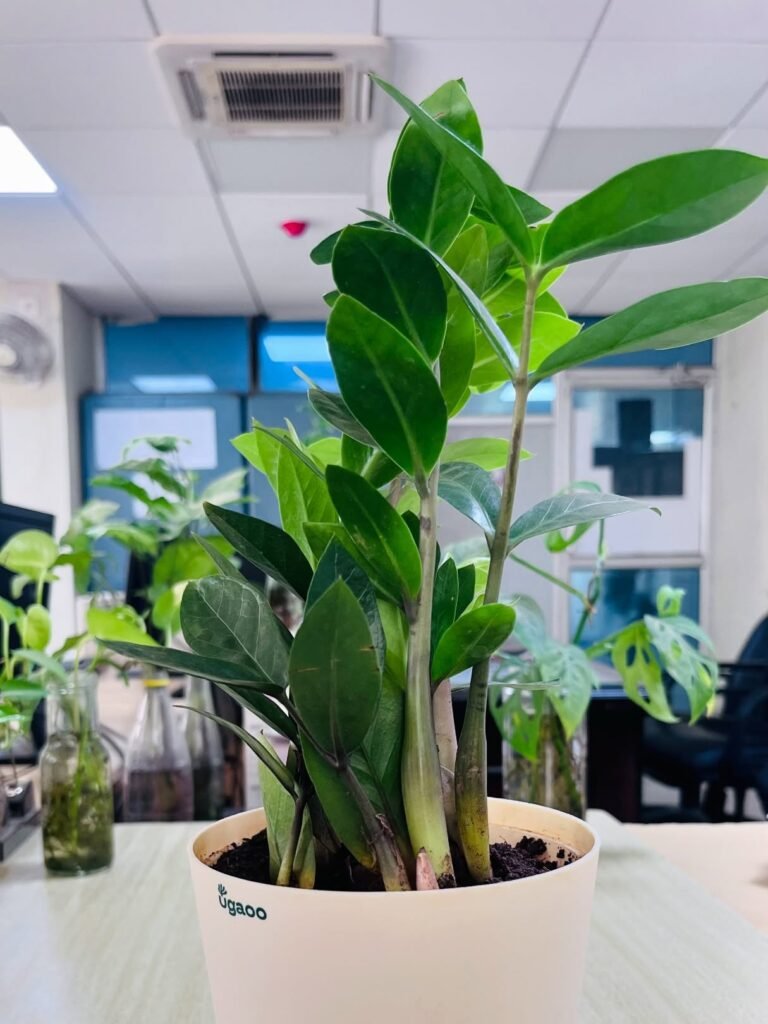
The toughest plant on this list and the one to reach for when a spot is genuinely dark. Thick underground rhizomes store water, so it handles both dim light and weeks of neglect without complaint.
Glossy upright stems give it a sculptural quality that fills an empty corner well. The one reliable way to kill it is watering on a schedule rather than checking the soil first, since the rhizomes rot quickly in wet conditions.
Care tips
- Light: Low to bright indirect. Survives around 50 foot candles, which covers most interior corners.
- Soil: Gritty, fast draining mix. Standard potting soil holds far too much water for the rhizomes.
- Water: Every three to six weeks. Let the mix dry out completely before watering again.
- Size: Up to 3 feet tall and 3 feet wide.
- Humidity: Average household air suits it. No misting required.
- Growth rate: Slow, with a few new stems a year in dim conditions.
- Toxic to pets: Yes. Causes mouth irritation and vomiting if chewed.
2. Cast Iron Plant
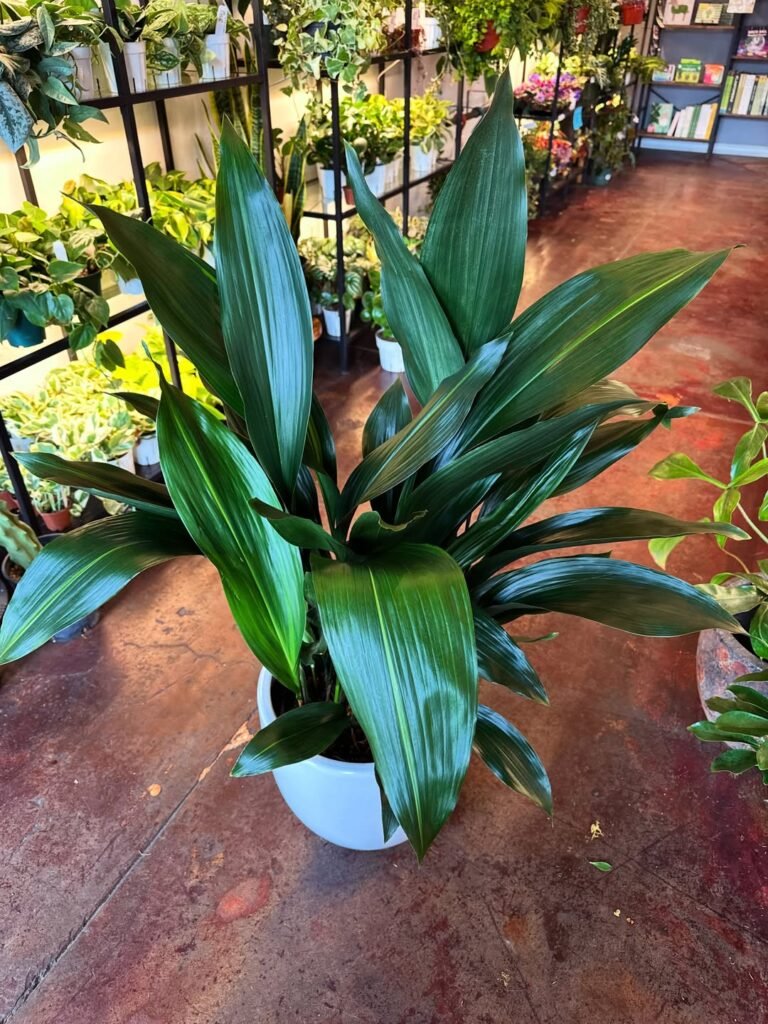
Named for its durability and it earns the name. Deep green strap leaves rise straight from the soil, and the plant shrugs off dim corners, drafts, temperature swings and forgotten waterings.
The trade off is speed. This is one of the slowest growing houseplants sold, so buy it at roughly the size you want rather than expecting it to fill out over a season or two.
Care tips
- Light: Low. One of the few plants that genuinely performs below 75 foot candles.
- Soil: Standard potting mix. Not fussy, though drainage still matters.
- Water: Every two to three weeks, letting the top two inches dry between.
- Size: Up to 3 feet tall and 2 feet wide.
- Humidity: Tolerates dry indoor air well, including centrally heated rooms.
- Growth rate: Very slow. Expect two or three new leaves a year.
- Toxic to pets: No. Safe around cats and dogs.
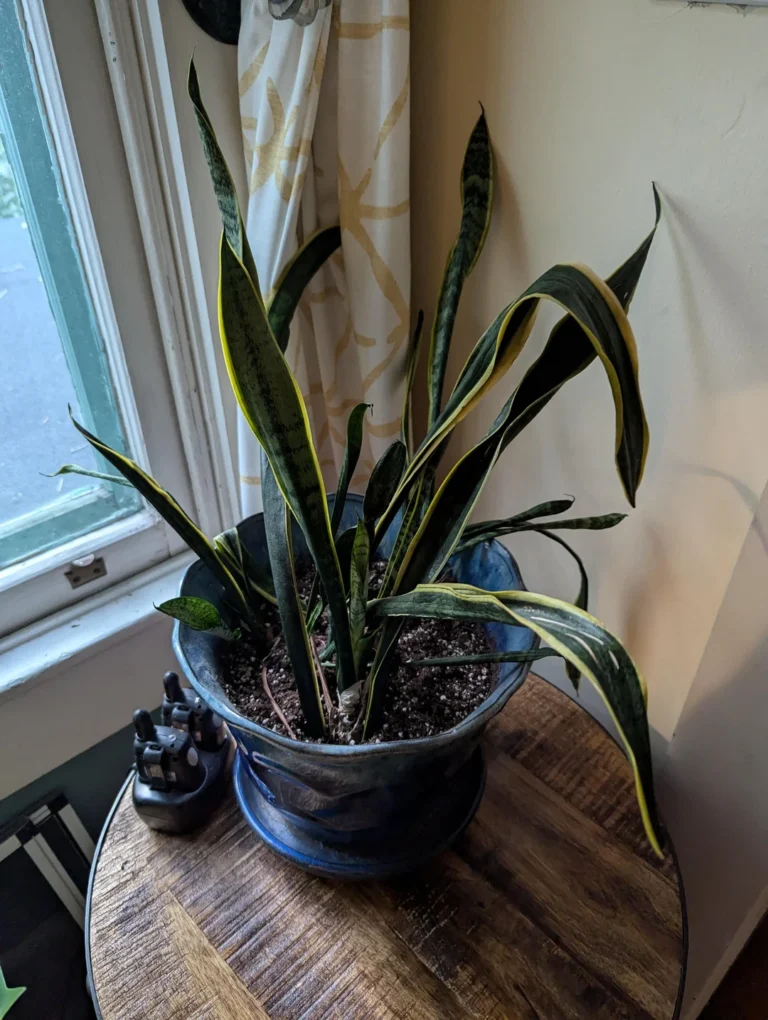
3. Snake Plant
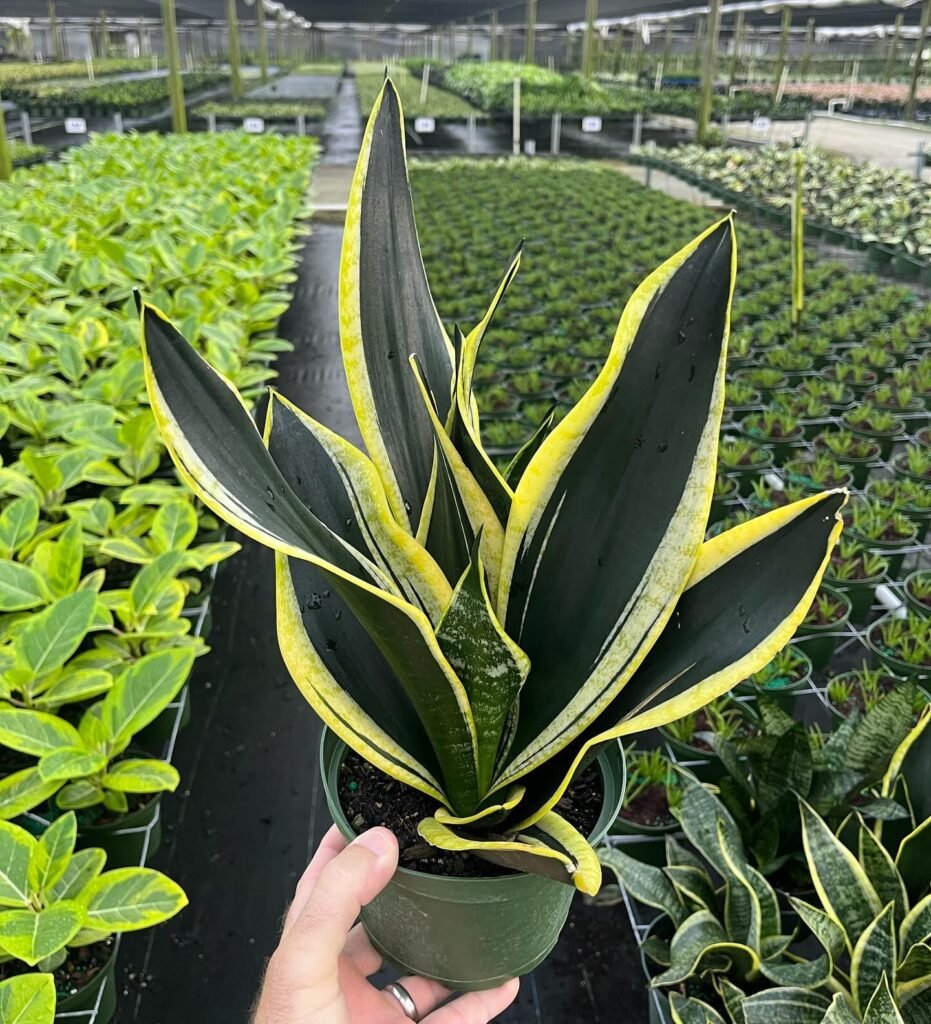
Upright architectural leaves that suit narrow spaces and dark corners equally well. It survives almost anything except sitting in wet soil, which is what kills the great majority of them.
In dim light expect very little new growth and stretch watering considerably. Choose plain green Zeylanica or Laurentii rather than the pale Moonshine, which needs far more light to hold its silvery colour.
Care tips
- Light: Low to bright. Survives 50 foot candles but grows only in brighter spots.
- Soil: Gritty cactus or succulent mix. Add perlite if using standard potting soil.
- Water: Every four to eight weeks in low light. Check three inches down first.
- Size: 1 to 4 feet tall depending on variety.
- Humidity: Prefers dry air. Never mist, as water pools between the leaves.
- Pot choice: Terracotta helps, and its weight stops tall leaves tipping the pot.
- Toxic to pets: Yes. Contains saponins that cause drooling and vomiting.
Related: Snake Plant Care Guide | Snake Plant Leaves Curling | How to Propagate Snake Plant
4. Golden Pothos
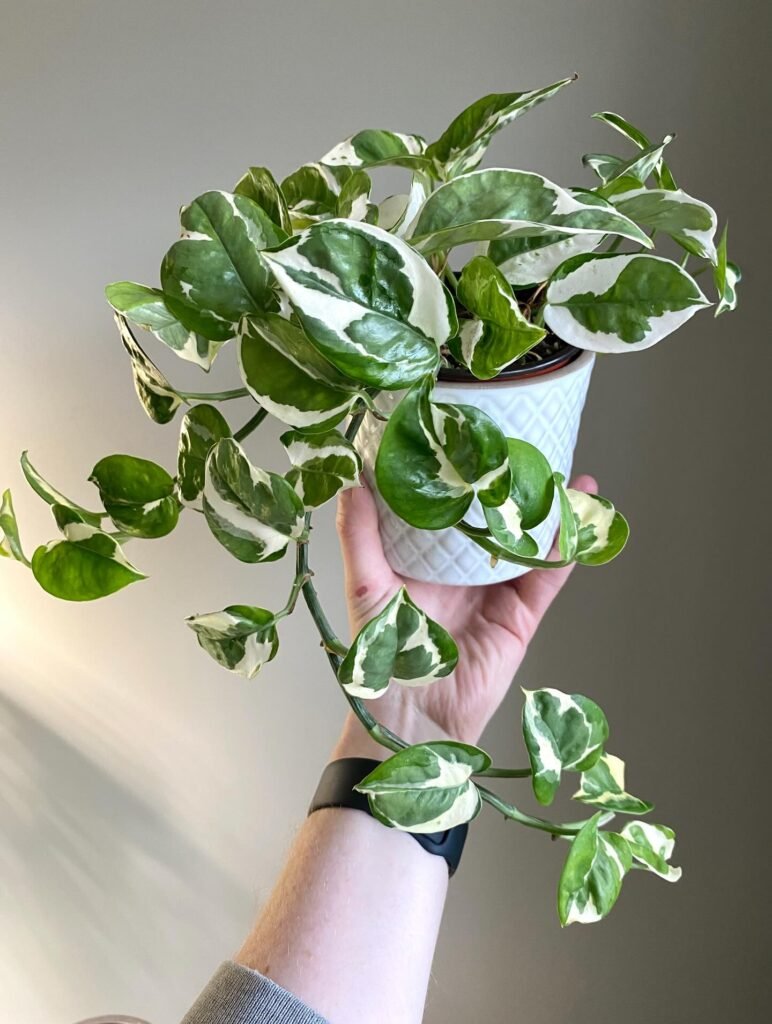
The classic trailing plant for dark spaces and the one most people begin with. It grows in almost any conditions, roots from cuttings within weeks, and shows problems clearly through its leaves.
The gold variegation fades in dim light, so a plant in a hallway will gradually green up over a few months. That is a cosmetic change rather than a health problem, and moving it brighter brings the pattern back on new growth.
Care tips
- Light: Low to bright indirect. Tolerates 50 to 75 foot candles.
- Soil: Standard potting mix with added perlite for extra air around the roots.
- Water: Every two to three weeks in low light, when the top two inches are dry.
- Size: Vines reach 10 feet indoors if left unpruned.
- Pruning: Cut vines back by a third to force branching and a fuller shape.
- Propagation: Roots from a node in water within two weeks.
- Toxic to pets: Yes. Calcium oxalate crystals irritate the mouth.
Related: Pothos Care Guide | Pothos Leaves Turning Yellow | How to Propagate Pothos
5. Jade Pothos
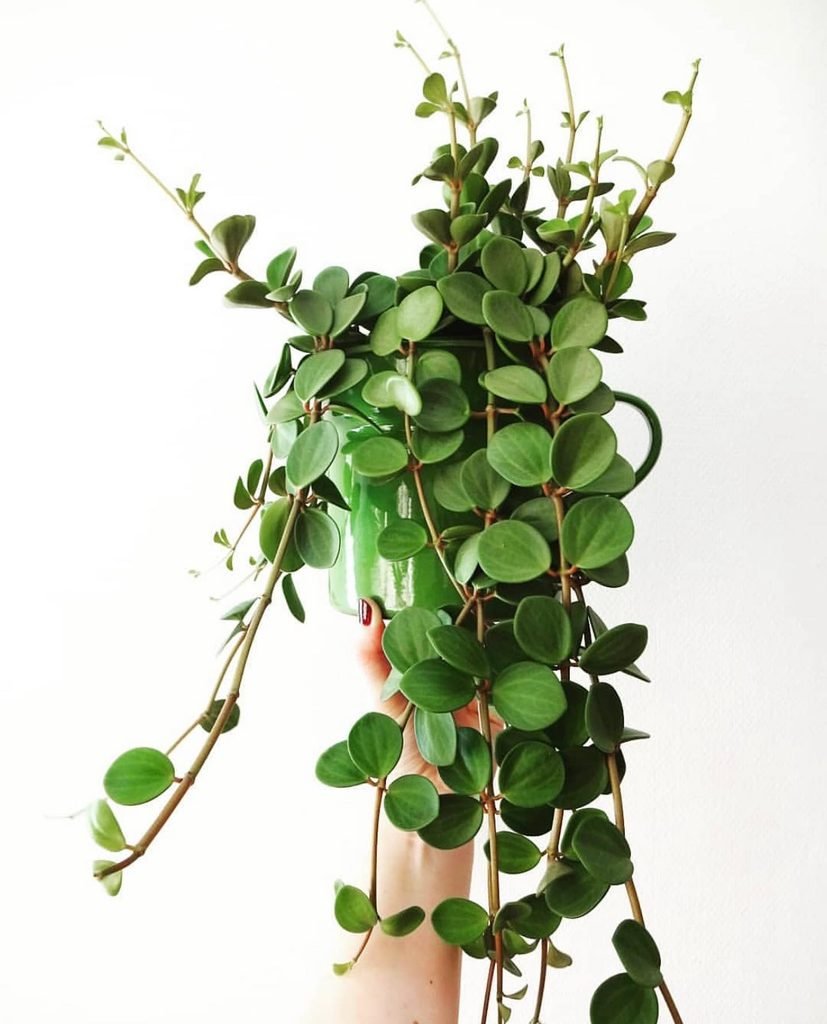
The solid green form, and the most low light tolerant pothos of the lot. With no variegation to lose, it looks the same in a dim hallway as it does beside a window.
That makes it the better buy for genuinely dark spots, even though garden centres tend to push the golden form. Care is identical to any other pothos, and it grows slightly faster in low light because it has more chlorophyll to work with.
Care tips
- Light: Low. Comfortable at 50 foot candles, better than any other pothos.
- Soil: Standard potting mix with perlite.
- Water: Every two to three weeks. Let the top two inches dry first.
- Size: Vines to 10 feet indoors.
- Best spot: High shelves and hanging baskets in hallways or stairwells.
- Growth rate: Moderate even in dim light, unlike most plants here.
- Toxic to pets: Yes.
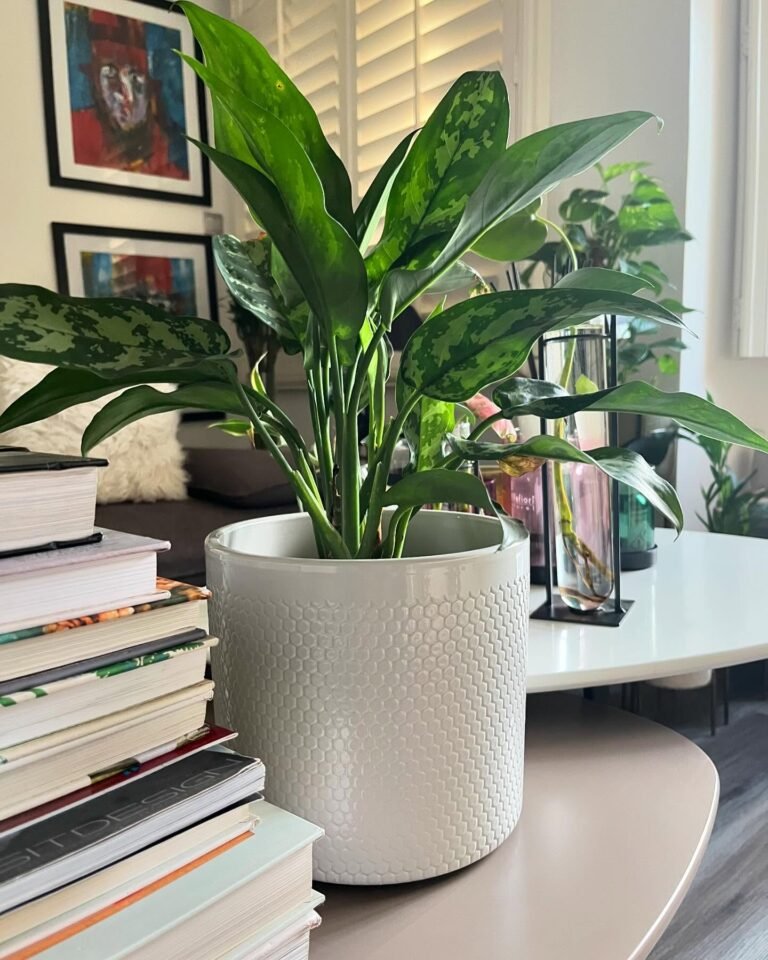
6. Chinese Evergreen
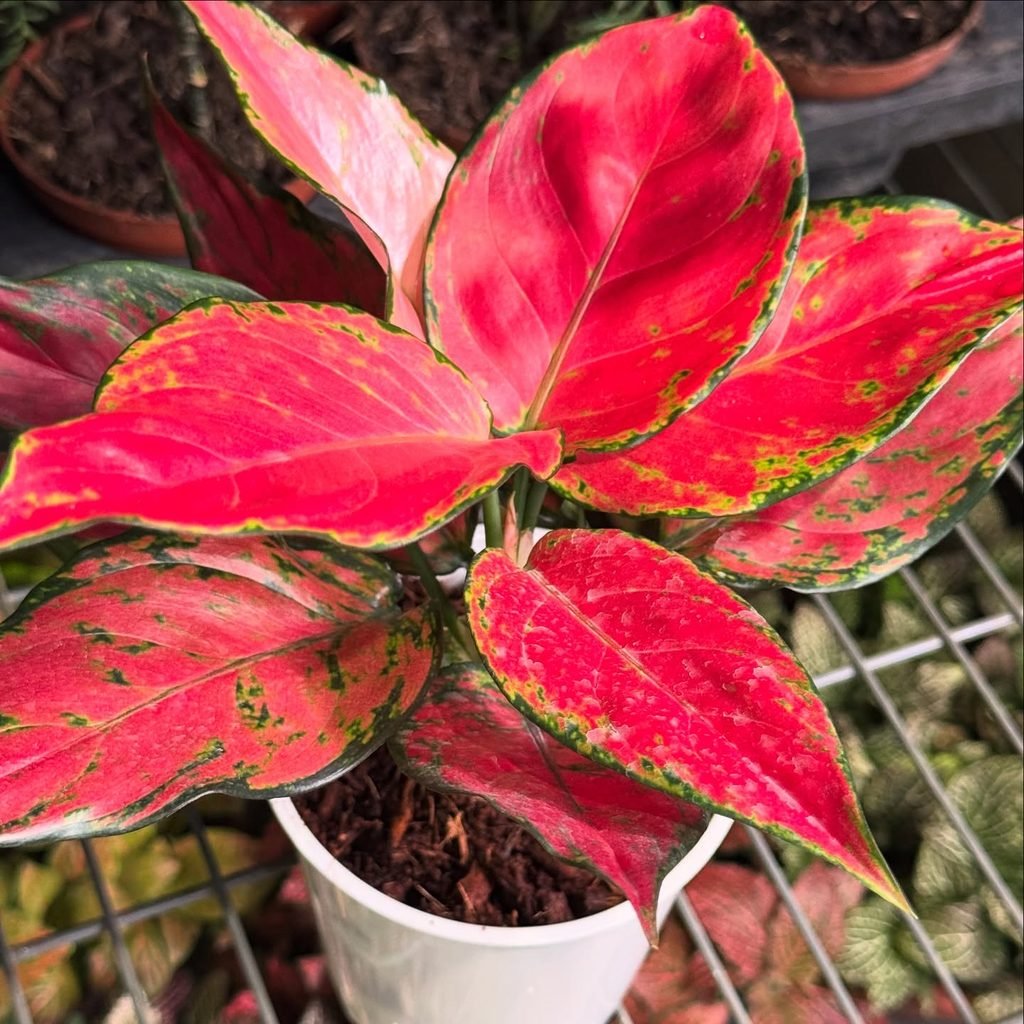
About as close to a true low light plant as anything with patterned foliage gets. Leaves come marked in silver, cream, green and sometimes pink, which brightens a dull corner without needing flowers to do it.
The darker green cultivars tolerate the least light, while pink and heavily variegated forms want a north window at minimum. It also dislikes cold, so keep it well away from drafty doors and unheated rooms.
Care tips
- Light: Low to medium. Dark green forms manage 50 foot candles, pink ones need 150.
- Soil: Well draining potting mix that holds a little moisture.
- Water: Every one to two weeks, once the top inch is dry.
- Size: Up to 3 feet tall and 3 feet wide.
- Temperature: Keep above 60 degrees. Cold damage shows as dark patches.
- Humidity: Prefers above average, though it copes with normal room air.
- Toxic to pets: Yes.
7. Heartleaf Philodendron
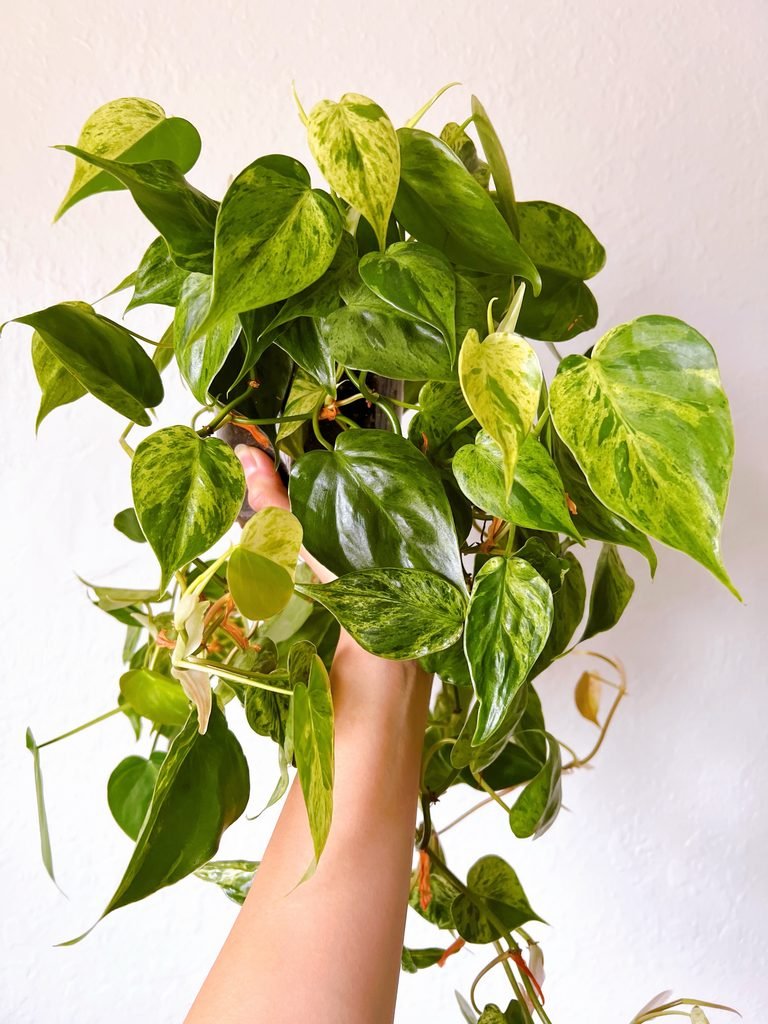
Trailing heart shaped leaves on fast growing vines, and marginally more low light tolerant than pothos. It forgives both dim conditions and missed waterings, which makes it a good first plant.
People confuse it with pothos constantly. The giveaway is the leaf itself: philodendron leaves are thinner, matte and symmetrical, while pothos leaves are thicker, waxier and slightly lopsided at the base.
Care tips
- Light: Low to bright indirect. Handles 50 foot candles comfortably.
- Soil: Standard potting mix with perlite.
- Water: Every one to two weeks. Slightly thirstier than pothos.
- Size: Vines reach 8 feet indoors.
- Pruning: Trim leggy vines in spring to keep it full near the pot.
- Best spot: Shelves, mantels and hanging baskets away from direct sun.
- Toxic to pets: Yes.
8. Dracaena Janet Craig
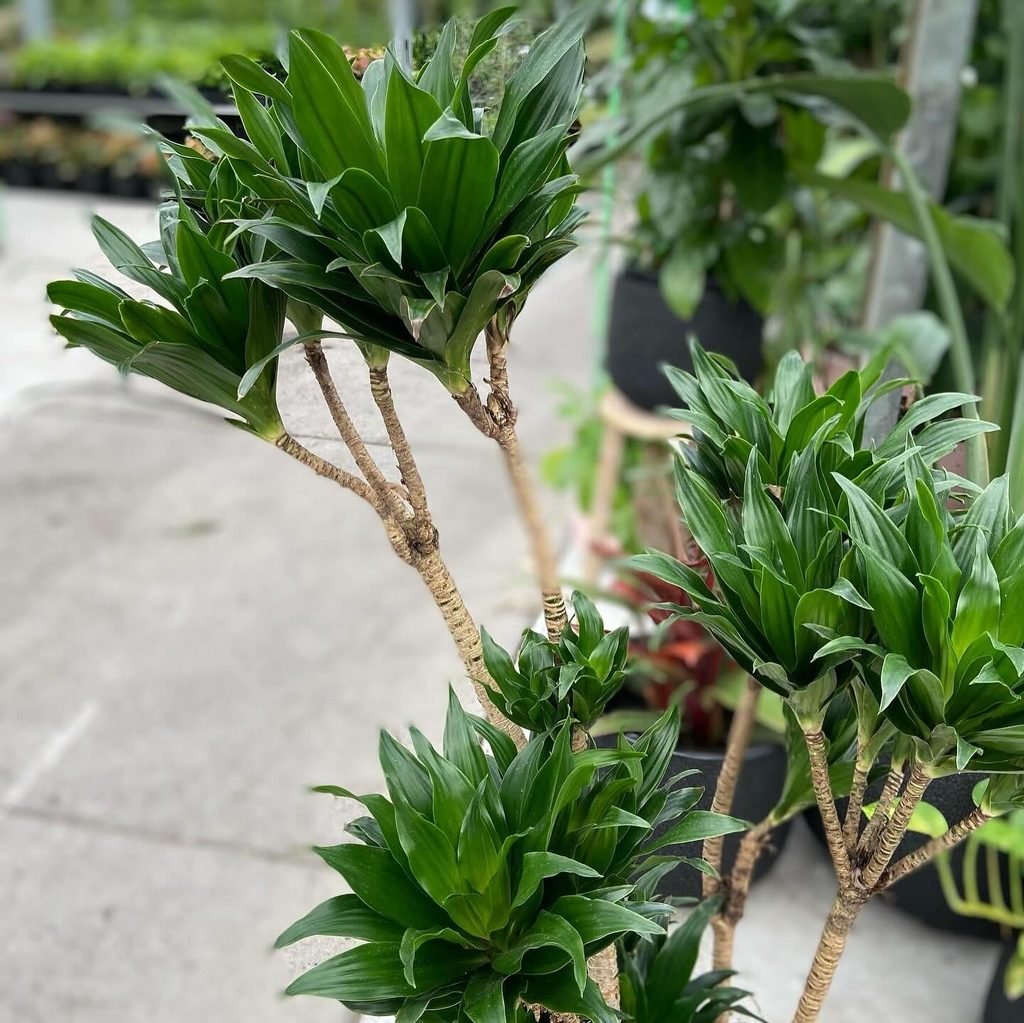
Dark green arching leaves on an upright stem, and one of the best true low light floor plants you can buy. It tolerates neglect and dry indoor air without much fuss.
It is sensitive to fluoride in tap water, which shows as brown leaf tips creeping inward. Filtered or collected rainwater solves it, and flushing the pot occasionally clears any salts that have already built up.
Care tips
- Light: Low to medium. Performs at 50 to 100 foot candles.
- Soil: Well draining potting mix.
- Water: Every two to three weeks, with filtered or rainwater where possible.
- Size: Up to 6 feet tall indoors.
- Feeding: Twice a year at half strength. It needs very little.
- Best spot: Corners of living rooms and offices away from vents.
- Toxic to pets: Yes.
9. Peace Lily
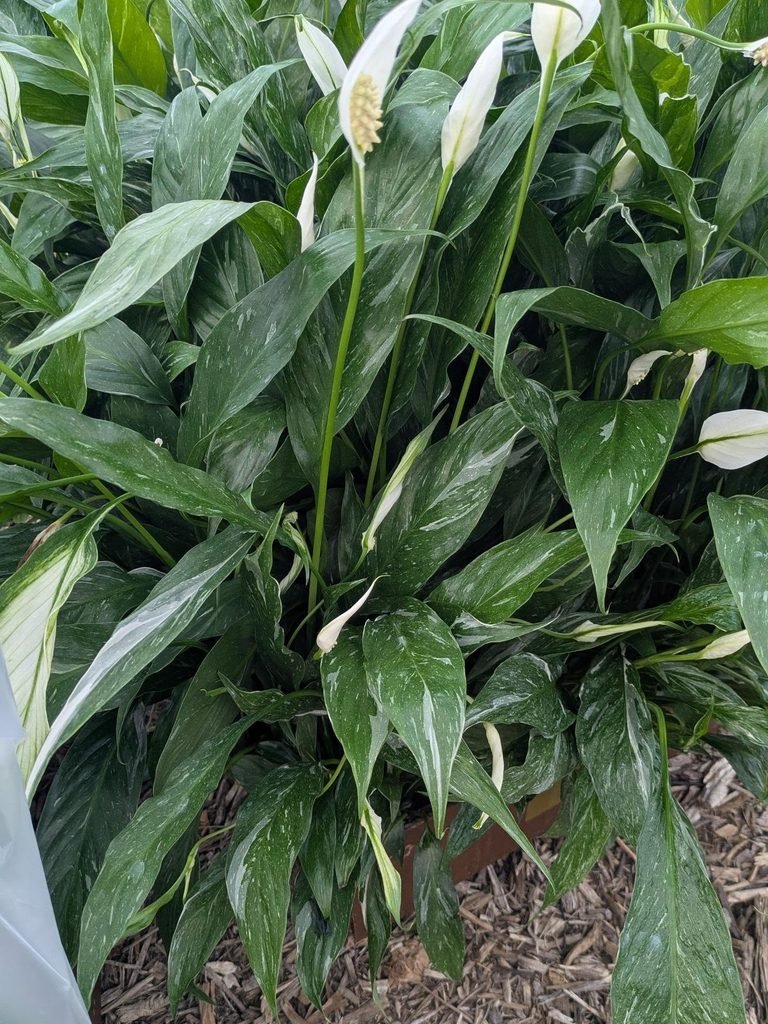
Glossy dark leaves and occasional white flower bracts, though expect far fewer flowers in a dim room than the pictures suggest. Treat it primarily as a foliage plant.
Its real advantage in a dark corner is communication. It droops dramatically when thirsty and perks back up within hours of watering, which removes the guesswork that kills most low light plants.
Care tips
- Light: Low to medium. Survives 50 foot candles, flowers only above 150.
- Soil: Moisture retentive potting mix.
- Water: Weekly. Keep lightly moist rather than letting it dry out.
- Size: Up to 3 feet tall and 3 feet wide.
- Humidity: Prefers above 50 percent. Grouping plants helps.
- Watch for: Brown leaf tips, usually from tap water minerals.
- Toxic to pets: Yes.
10. Lucky Bamboo
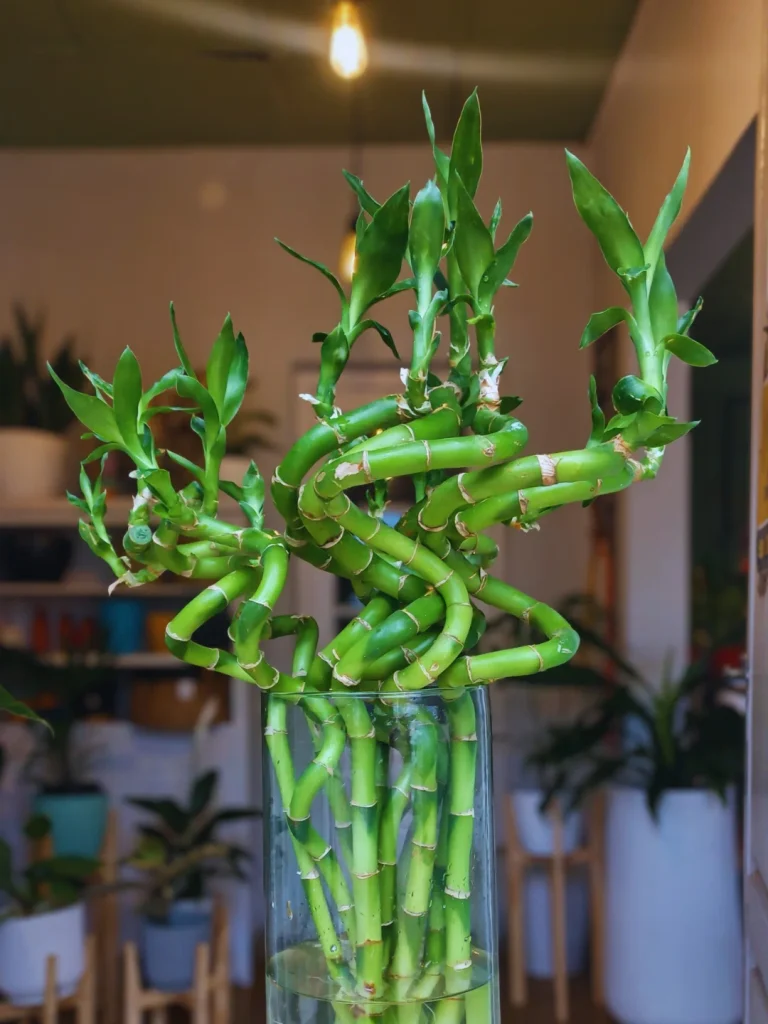
Not bamboo at all, but a dracaena with its lower leaves stripped away to resemble one. It takes very dim conditions and stays neatly small, which suits a desk or bathroom shelf.
It grows in either water or soil. If you keep it in water, change it fortnightly and use filtered water, since it reacts badly to the chlorine and fluoride in most tap supplies.
Care tips
- Light: Low. Handles 50 foot candles and even mostly artificial light.
- Soil: Water with pebbles, or standard potting mix kept lightly moist.
- Water: Change water every two weeks. Filtered water only.
- Size: 1 to 3 feet tall.
- Feeding: A single drop of liquid fertiliser monthly if grown in water.
- Watch for: Yellowing stalks, which usually means chlorinated water.
- Toxic to pets: Yes.
11. Parlor Palm
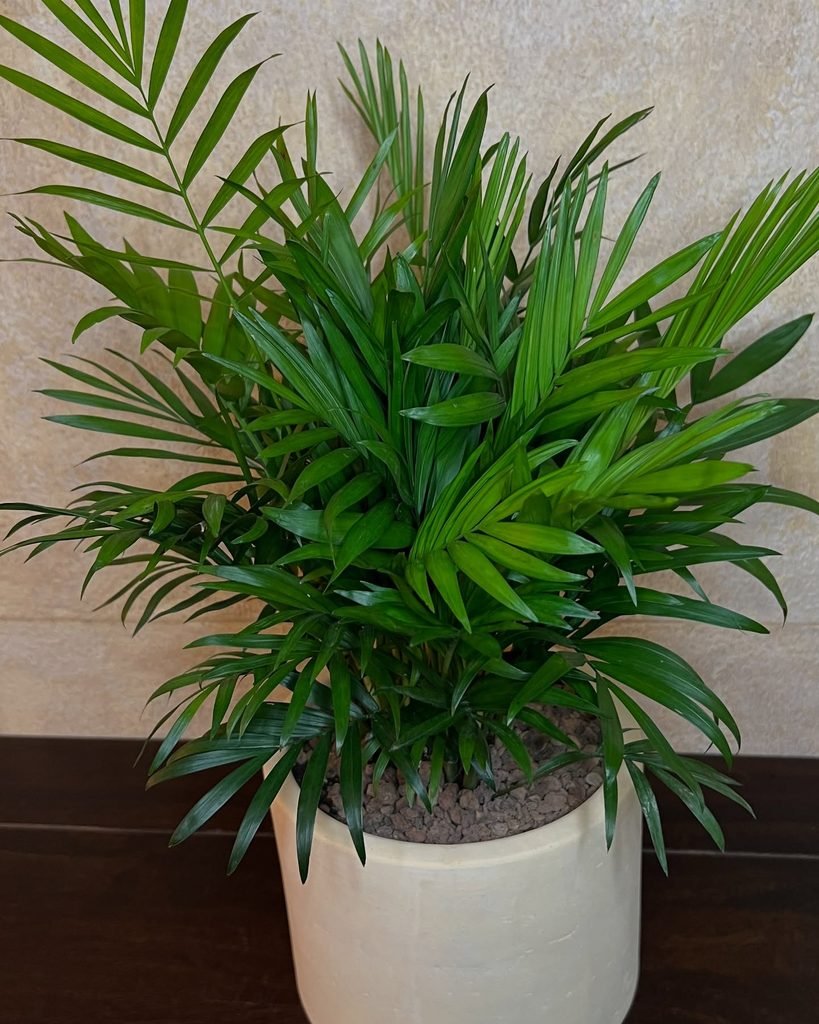
The Victorian parlour plant, and still one of the best palms for a dim room. Soft arching fronds on slim stems add height without taking up much floor space, which suits narrow hallways.
It grows slowly and dislikes both drafts and heating vents. Unlike most plants here, it prefers its soil kept lightly moist rather than drying out fully between waterings, so it needs slightly more attention.
Care tips
- Light: Low to medium. Needs around 100 foot candles minimum.
- Soil: Well draining potting mix that retains a little moisture.
- Water: Weekly. Keep lightly moist but never waterlogged.
- Size: Up to 4 feet tall and 2 feet wide.
- Humidity: Prefers above 50 percent. Brown tips signal dry air.
- Watch for: Spider mites, which thrive on palms in heated rooms.
- Toxic to pets: No.
12. Lady Palm
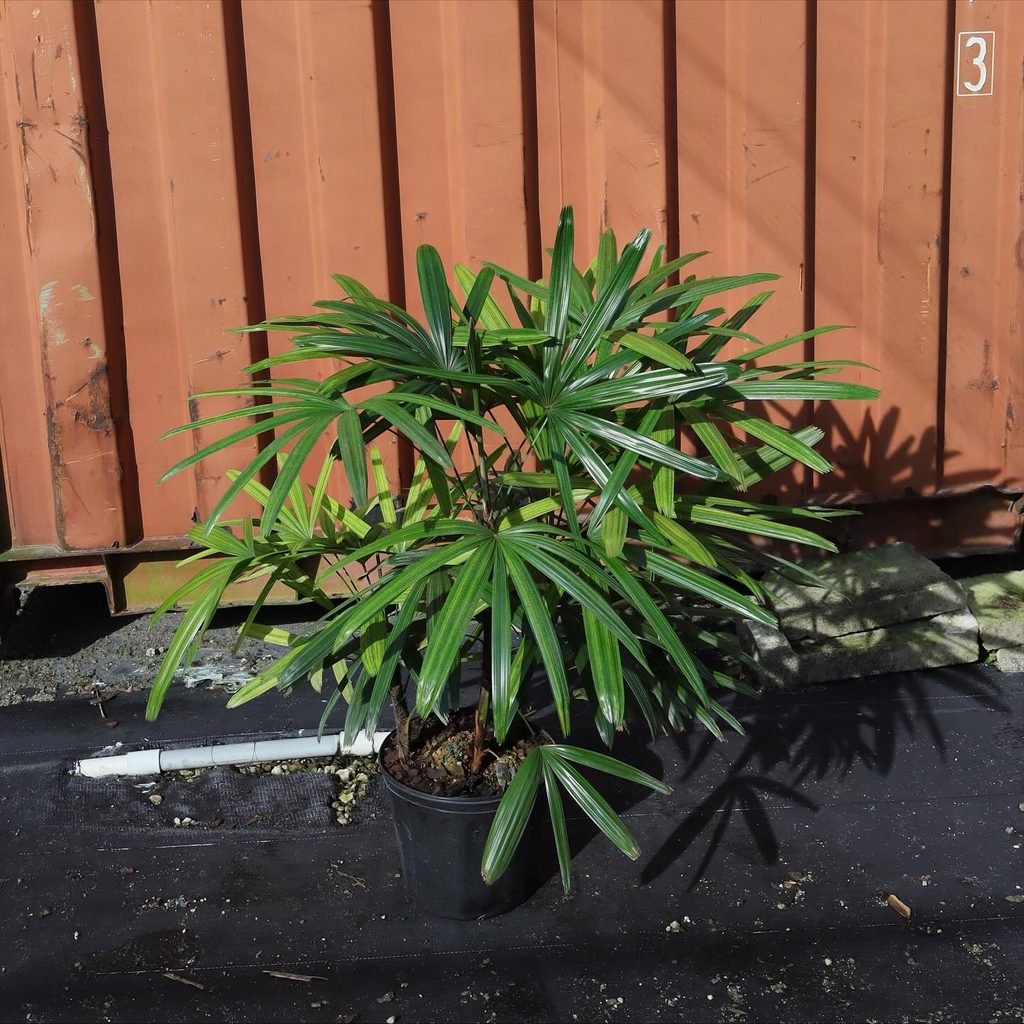
Fan shaped fronds on multiple upright canes, giving a fuller look than most indoor palms. It copes with low light and dry indoor air better than almost any other palm you can buy.
It is slow and expensive, which puts people off, but a healthy specimen will outlast most of the furniture around it. Buy the largest one your budget allows rather than waiting for it to grow.
Care tips
- Light: Low to medium. Around 100 foot candles minimum.
- Soil: Well draining potting mix.
- Water: Every one to two weeks, once the top inch is dry.
- Size: Up to 6 feet tall and 4 feet wide indoors.
- Humidity: Tolerates dry air better than other palms.
- Feeding: Twice during spring and summer at half strength.
- Toxic to pets: No.
13. Kentia Palm
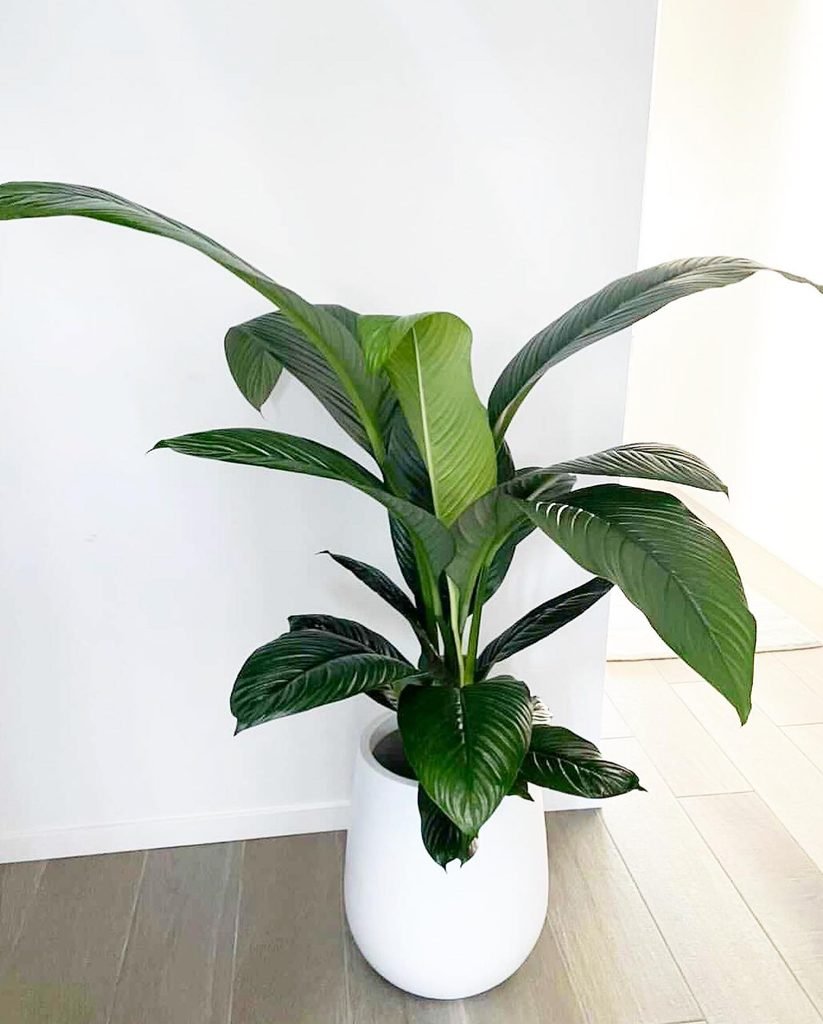
The most elegant low light palm, and the reason hotel lobbies look the way they do. Tall arching fronds tolerate dim corners and cool rooms without browning at the tips.
Like the lady palm it is slow and pricey. Buy the size you want rather than a small one, since it will take many years to gain meaningful height in an indoor position.
Care tips
- Light: Low to medium. Around 100 foot candles minimum.
- Soil: Well draining potting mix.
- Water: Every one to two weeks. Let the top inch dry between.
- Size: Up to 10 feet tall indoors over many years.
- Temperature: Happy in cooler rooms down to 60 degrees.
- Watch for: Salt buildup, so flush the pot twice a year.
- Toxic to pets: No.
14. Boston Fern
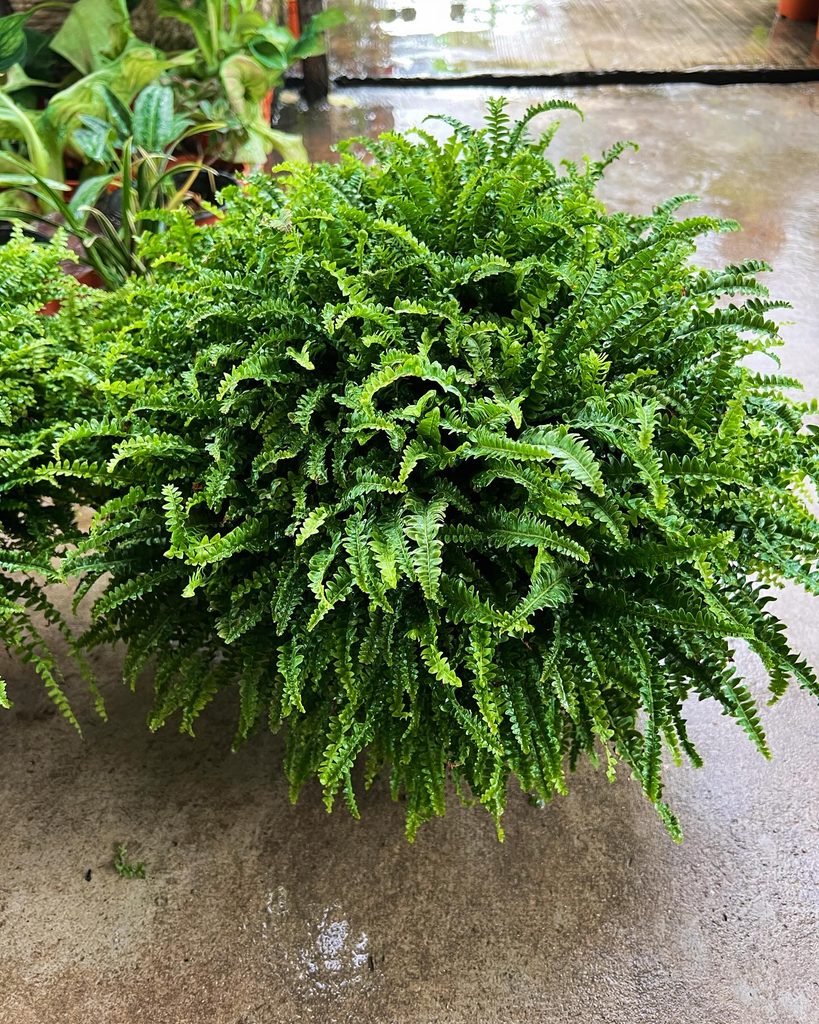
Full feathery fronds that look best spilling from a hanging basket or a plant stand. It tolerates low light readily enough, which is why it appears on every list of this kind.
The catch is everything else. It wants consistently moist soil and humidity above 50 percent, making it the highest maintenance plant here. A bathroom suits it considerably better than a living room.
Care tips
- Light: Low to medium. Around 100 foot candles minimum.
- Soil: Moisture retentive mix with plenty of organic matter.
- Water: Twice weekly. Never allow it to dry out completely.
- Size: Up to 3 feet tall and 3 feet wide.
- Humidity: Above 50 percent, ideally higher. A humidifier helps.
- Watch for: Crispy fronds, which mean the air is too dry.
- Toxic to pets: No.
15. Bird’s Nest Fern
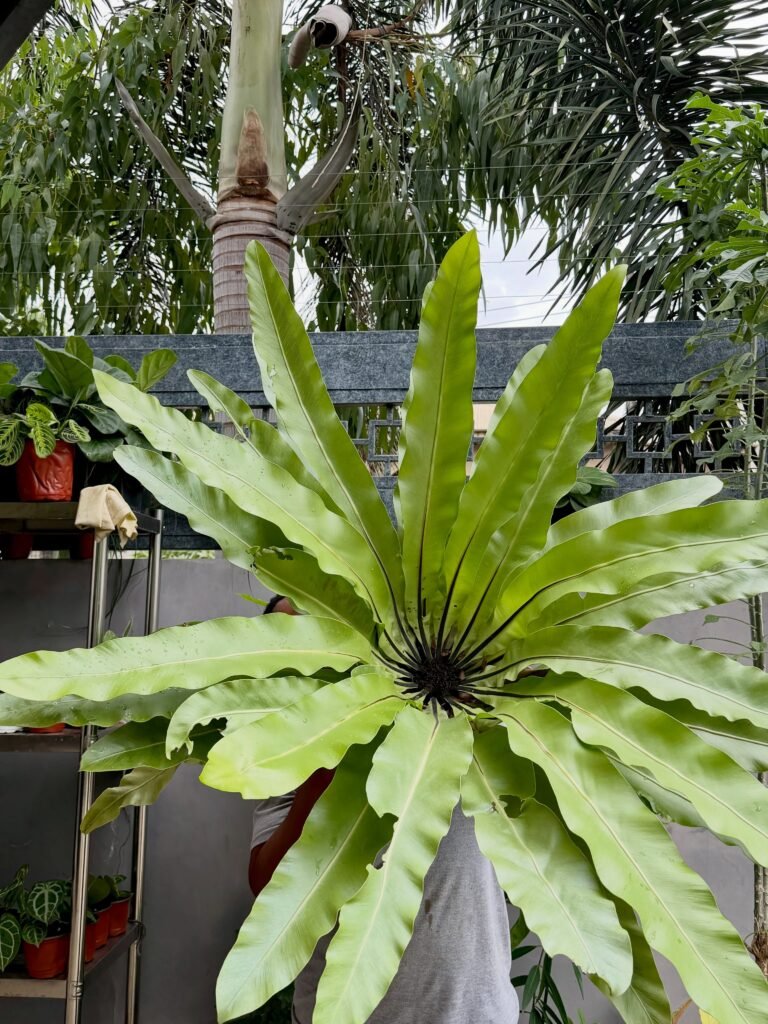
Wavy bright green fronds forming a rosette, and considerably more forgiving than a Boston fern. Average household humidity suits it fine, which makes it the sensible fern for most homes.
Water into the soil around the edge of the pot rather than into the central crown. Water sitting in that crown is the most common way these plants are lost, and the rot spreads quickly once it starts.
Care tips
- Light: Low to medium. Around 100 foot candles minimum.
- Soil: Moisture retentive mix with good drainage.
- Water: Weekly, poured around the edge, never into the centre.
- Size: Up to 2 feet tall and 2 feet wide indoors.
- Humidity: Prefers above 50 percent but copes with normal room air.
- Best spot: Bathrooms and kitchens with a north facing window.
- Toxic to pets: No.
16. Dieffenbachia
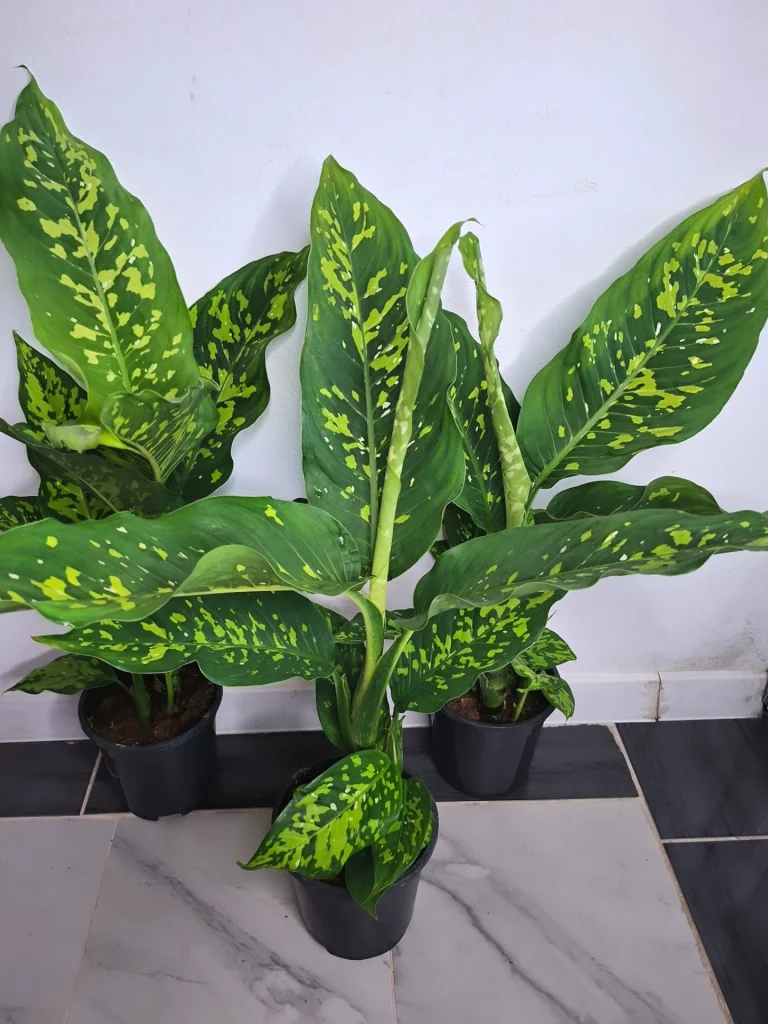
Large cream and green patterned leaves and fast growth for a low light plant, which makes it useful when you want to fill an empty corner within a single season.
The sap is a serious irritant, which is where the common name dumb cane comes from. Wear gloves when pruning, wash your hands afterwards, and keep it well away from children and pets.
Care tips
- Light: Low to medium. Around 100 foot candles minimum.
- Soil: Well draining potting mix.
- Water: Weekly, once the top inch is dry.
- Size: Up to 6 feet tall and 3 feet wide.
- Temperature: Keep above 60 degrees, as it marks badly in cold.
- Pruning: Cut back leggy stems in spring, wearing gloves.
- Toxic to pets: Yes, and to children. The sap causes severe mouth irritation.
17. Arrowhead Plant
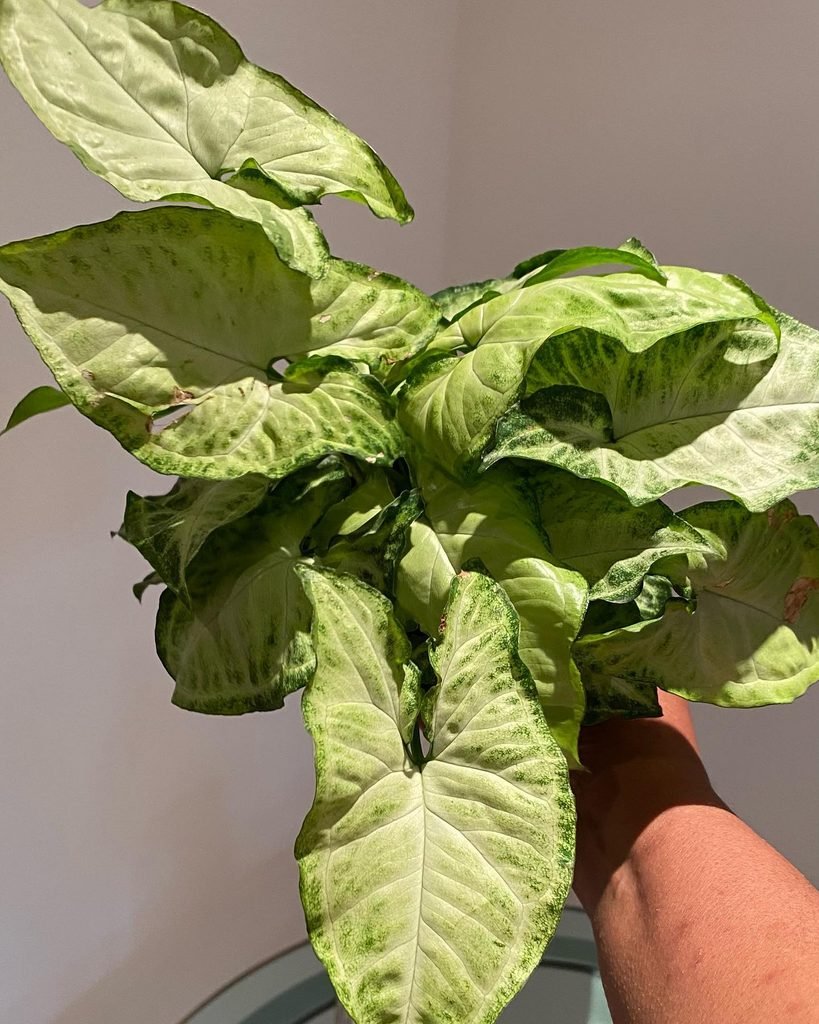
Arrow shaped leaves that stand upright when young and begin trailing as the plant matures, so it works equally well on a shelf or in a hanging pot.
The plain green forms handle low light well. Pink and white cultivars need noticeably more and will look washed out in a dark room, so match the variety to the spot rather than the other way round.
Care tips
- Light: Low to bright indirect. Green forms manage 100 foot candles.
- Soil: Standard potting mix with perlite.
- Water: Weekly, once the top inch is dry.
- Size: Trails to 6 feet if left unpruned.
- Pruning: Pinch the growing tips regularly to keep it bushy rather than trailing.
- Propagation: Roots from cuttings in water as easily as pothos.
- Toxic to pets: Yes.
18. Peperomia
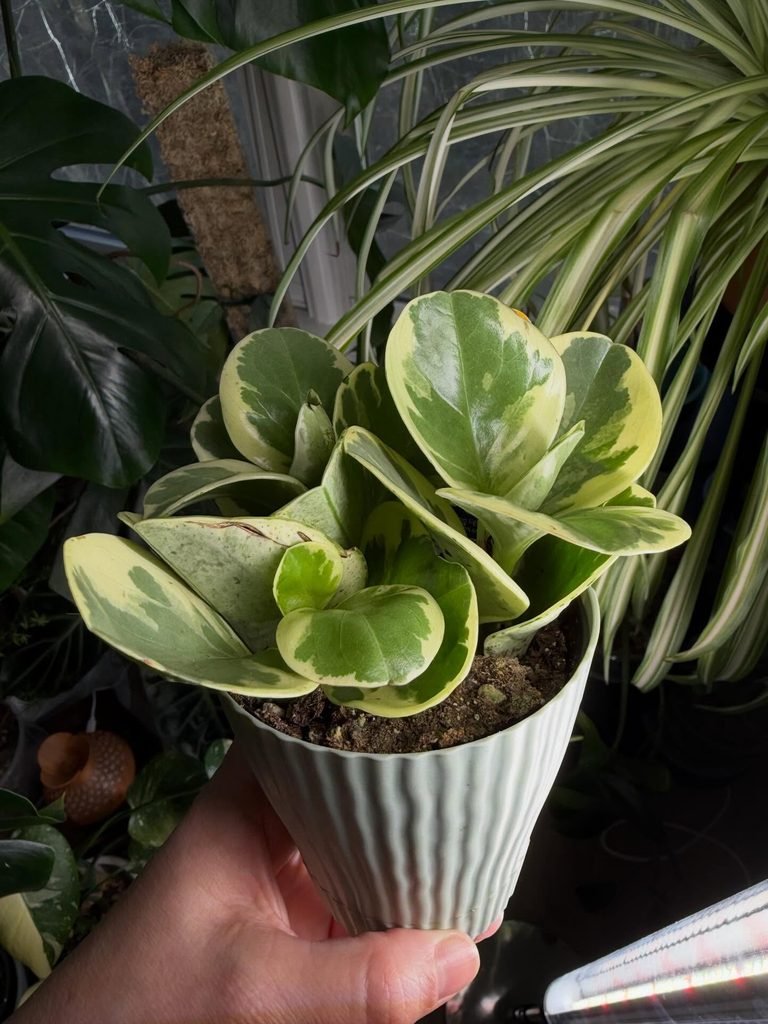
A large family of compact plants with thick semi succulent leaves, including the rippled caperata types and the smooth obtusifolia. Most of them handle low light comfortably.
The leaves store water, so underwatering is far safer than overwatering here. It is also non toxic, which makes it one of the better picks for homes with cats that chew things they should not.
Care tips
- Light: Low to medium. Around 100 foot candles minimum.
- Soil: Fast draining mix. Add perlite generously.
- Water: Every two weeks. Let it dry out well between waterings.
- Size: Up to 12 inches tall and 12 inches wide.
- Humidity: Average room air is fine.
- Best spot: Desks, shelves and small windowsills.
- Toxic to pets: No.
19. Philodendron Brasil
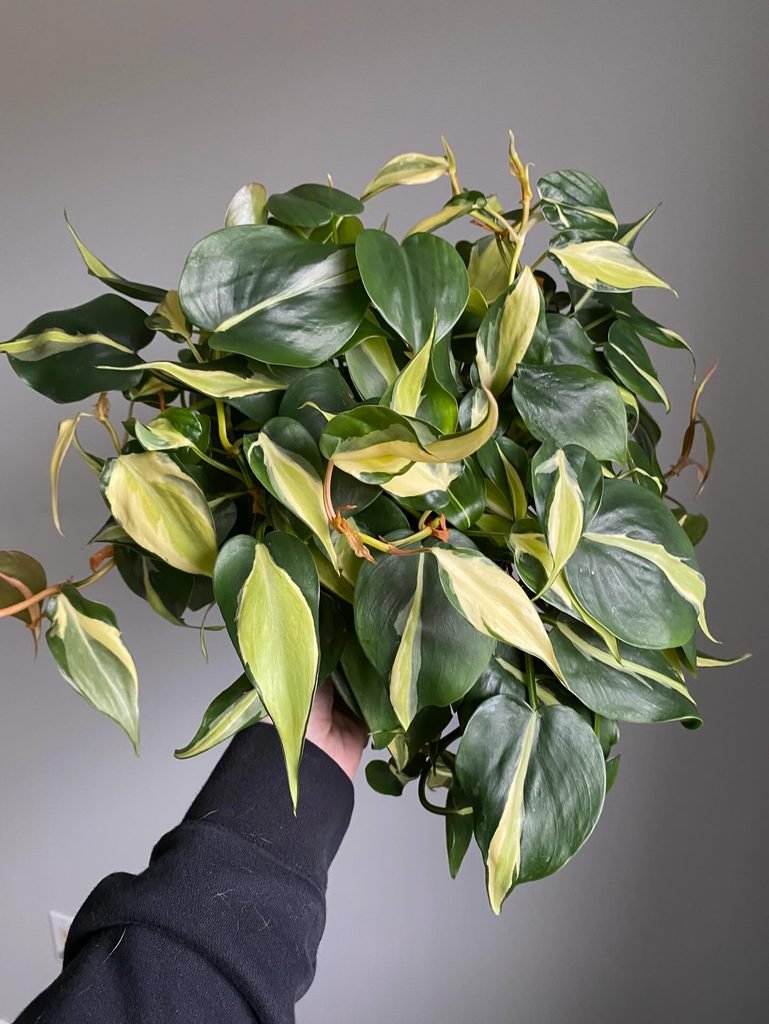
A variegated heartleaf philodendron with lime and green striped leaves, and one of the best looking trailing plants available at a reasonable price.
Included with a caveat. It survives low light but the variegation fades there, so give it a north window rather than an interior corner if the stripes are the reason you bought it in the first place.
Care tips
- Light: Medium preferred. Needs 150 foot candles to hold variegation.
- Soil: Standard potting mix with perlite.
- Water: Every one to two weeks.
- Size: Vines reach 8 feet indoors.
- Watch for: Reverting to plain green, which means it needs more light.
- Pruning: Cut back any fully green vines to encourage variegated growth.
- Toxic to pets: Yes.
20. Dragon Tree
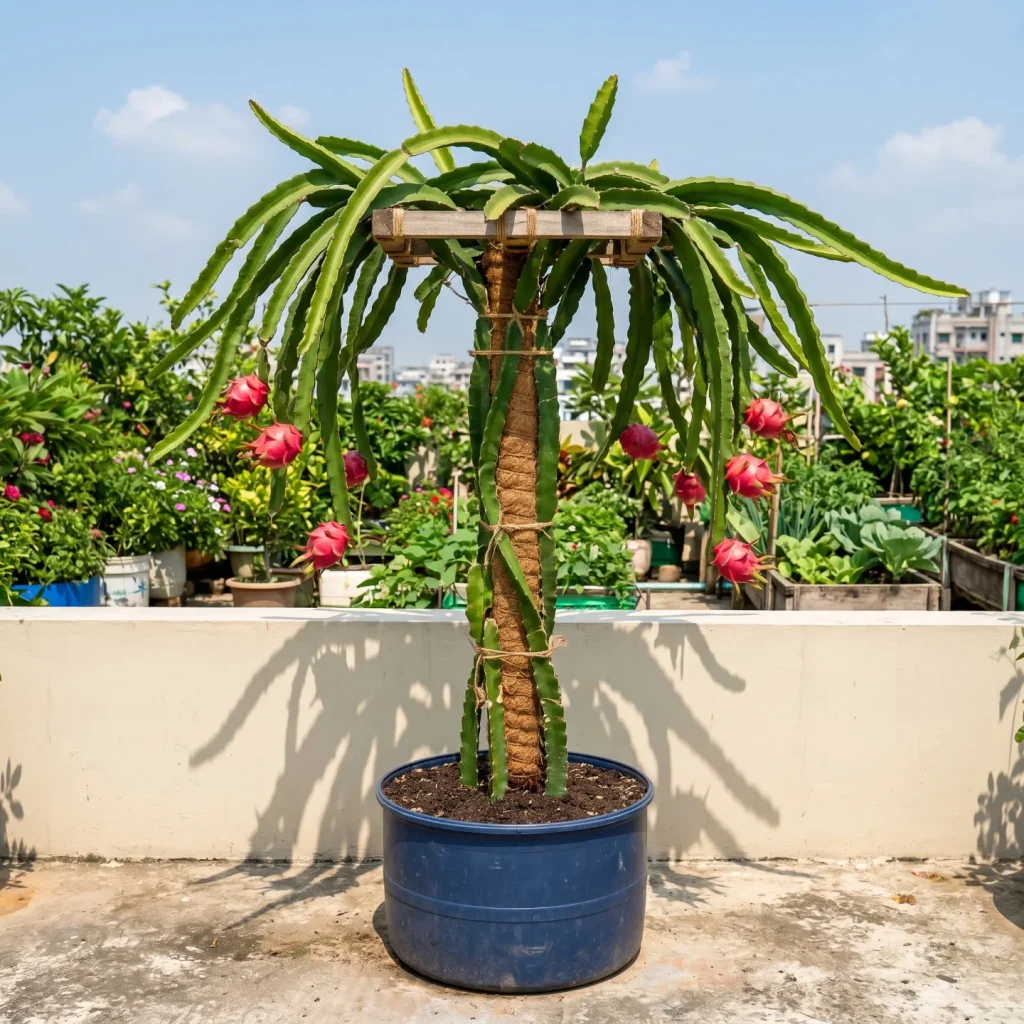
Narrow arching leaves edged in red on a slim trunk, giving a strong architectural outline that suits modern rooms and narrow spaces.
It grows toward light noticeably, so rotate it a quarter turn each month or it will develop a permanent lean. Like other dracaenas it dislikes the fluoride in tap water, which shows as browning leaf tips.
Care tips
- Light: Low to medium. Around 100 foot candles minimum.
- Soil: Well draining potting mix.
- Water: Every two to three weeks, using filtered water if possible.
- Size: Up to 8 feet tall and 3 feet wide indoors.
- Maintenance: Rotate a quarter turn monthly to keep it upright.
- Watch for: Brown tips from fluoride or salt buildup.
- Toxic to pets: Yes.
21. Dracaena Lisa
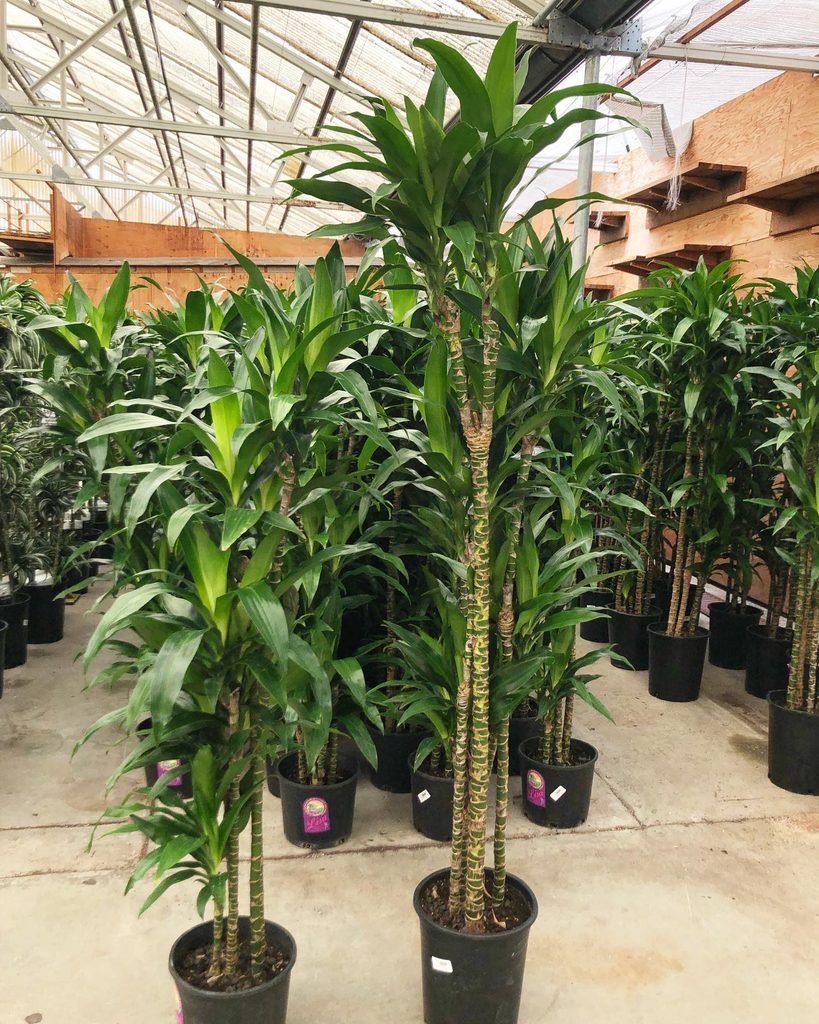
Upright dark green canes reaching six feet or more, and probably the best floor plant here for a genuinely dim room. It is the plant offices buy when they want something that survives.
It tolerates low humidity, irregular watering and being tucked into a corner, and it holds its shape without needing staking or regular pruning to look presentable.
Care tips
- Light: Low to medium. Around 100 foot candles minimum.
- Soil: Well draining potting mix.
- Water: Every two to three weeks.
- Size: Up to 8 feet tall and 3 feet wide.
- Humidity: Tolerates dry centrally heated air well.
- Feeding: Twice a year at half strength.
- Toxic to pets: Yes.
22. Corn Plant

Thick woody canes topped with broad arching leaves, usually with a yellow stripe down the centre. It reads as a small tree, which suits a large empty corner better than a cluster of small plants.
Long lived and tolerant of both dim light and neglect. The plain green form takes less light than the striped Massangeana cultivar, so check which one you are buying.
Care tips
- Light: Low to medium. Around 100 foot candles minimum.
- Soil: Well draining potting mix.
- Water: Every two to three weeks, with filtered water if you can.
- Size: Up to 6 feet tall and 3 feet wide indoors.
- Pruning: Cut the cane at any height and it will resprout below the cut.
- Watch for: Brown tips, usually fluoride or dry air.
- Toxic to pets: Yes.
23. Rubber Plant
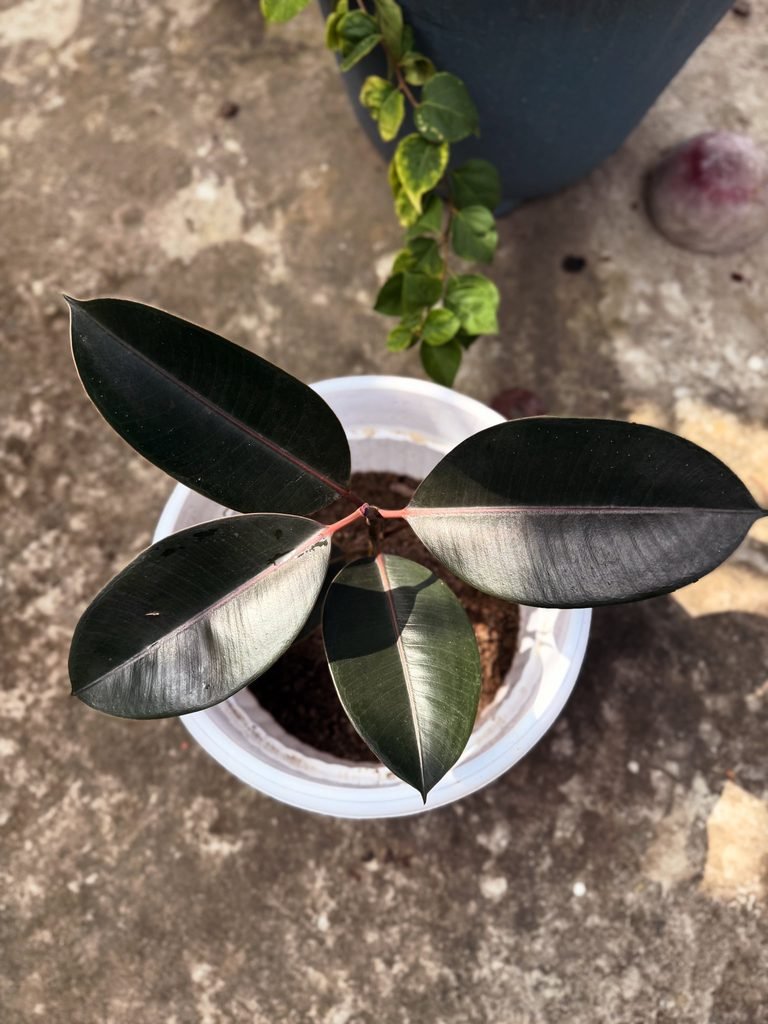
Thick glossy leaves in deep green or burgundy, on a plant that reads as substantial even at a small size. It tolerates lower light than other ficus, which is unusual for the genus.
Growth slows considerably in a dim room and it will not reach full size there. The dark leaved forms cope with less light than the variegated Tineke, which needs a bright position to stay cream and pink.
Care tips
- Light: Medium preferred. Needs 150 foot candles for steady growth.
- Soil: Well draining potting mix.
- Water: Every one to two weeks, once the top inch is dry.
- Size: Up to 10 feet tall indoors over time.
- Maintenance: Wipe the large leaves monthly, as dust blocks light.
- Pruning: Cut the top to encourage branching rather than a single stem.
- Toxic to pets: Yes. The milky sap also irritates skin.
24. Satin Pothos
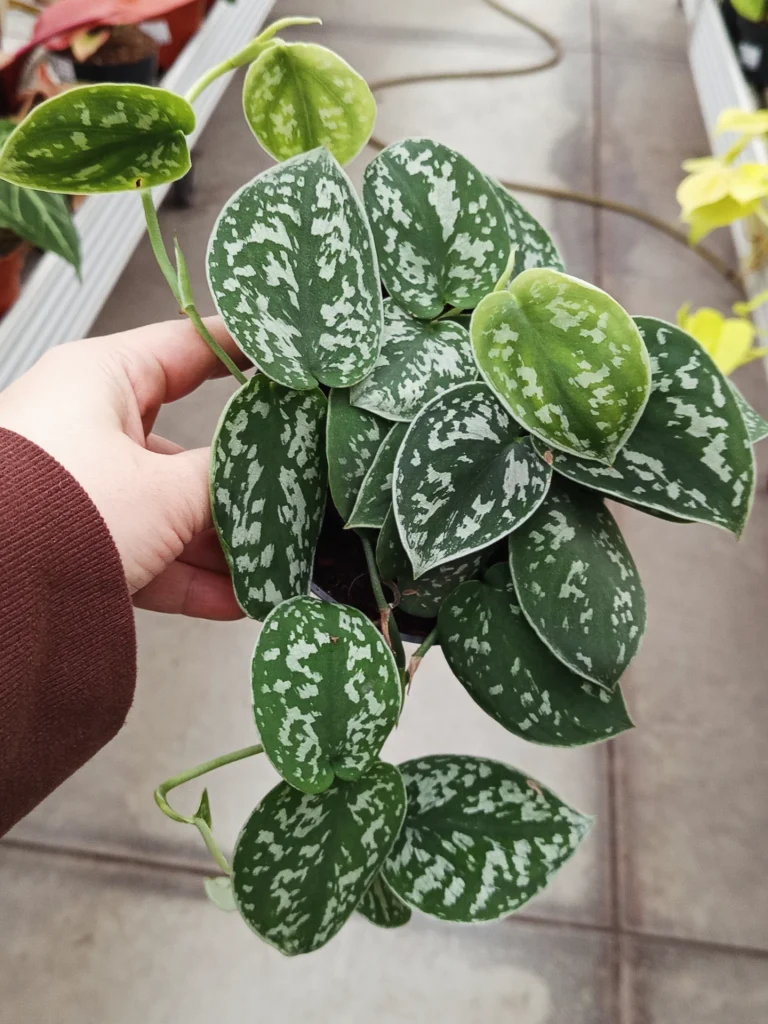
Not a true pothos. Dark green heart shaped leaves flecked with silver, trailing from a shelf or hanging pot, and among the most attractive plants on this list.
The silver markings are structural rather than variegation, which means they do not fade in low light the way variegated leaves do. That makes it an unusually good looking option for a dim shelf.
Care tips
- Light: Low to medium. Around 100 foot candles minimum.
- Soil: Standard potting mix with perlite.
- Water: Every one to two weeks. Slightly more drought tolerant than pothos.
- Size: Vines reach 6 feet indoors.
- Humidity: Prefers above average but tolerates normal room air.
- Best spot: Shelves and hanging baskets where the trailing vines show.
- Toxic to pets: Yes.
25. Hoya Carnosa
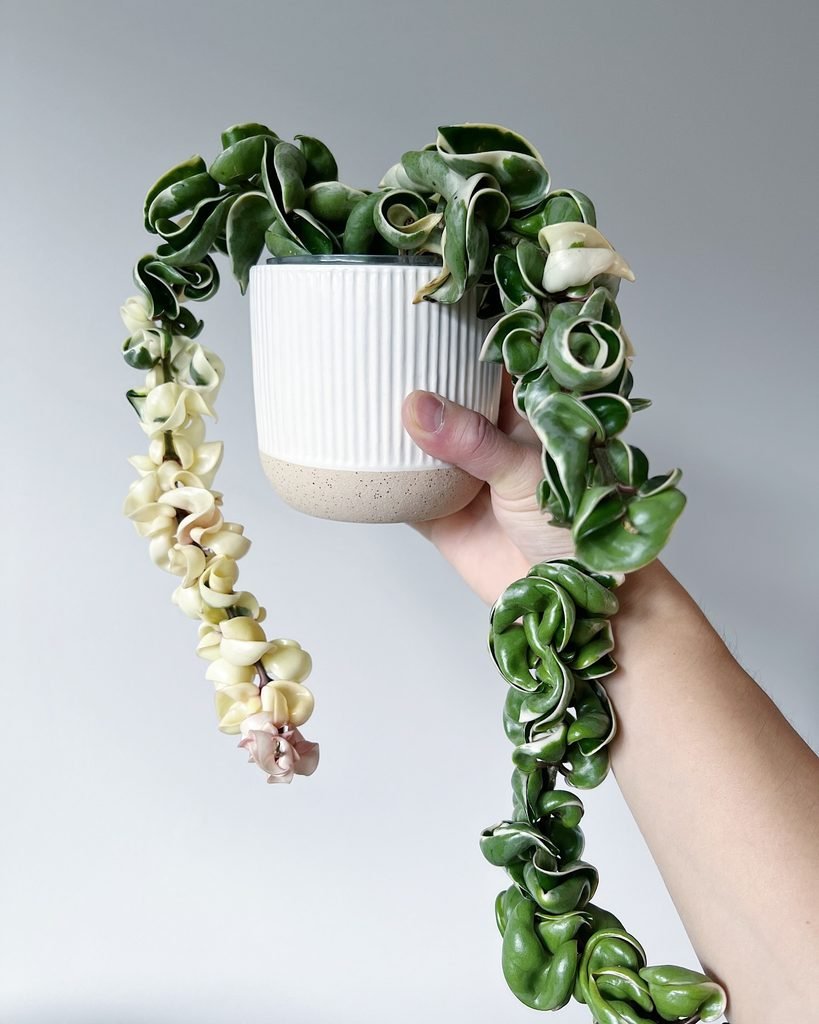
Thick waxy leaves on a vine that either trails or climbs, depending on what support you give it. It tolerates dim light and very long gaps between waterings.
It will not flower without brighter conditions, so treat it as a foliage plant in a dark room and enjoy the leaves. If flowers matter to you, put it in a north or east window instead.
Care tips
- Light: Medium preferred. Survives 100 foot candles, flowers above 200.
- Soil: Fast draining, chunky mix with bark or perlite.
- Water: Every two to three weeks. Let it dry out fully between.
- Size: Vines reach 6 feet indoors.
- Feeding: Monthly in spring and summer at half strength.
- Watch for: Never cut off old flower spurs, as it reblooms from them.
- Toxic to pets: No.
26. Prayer Plant
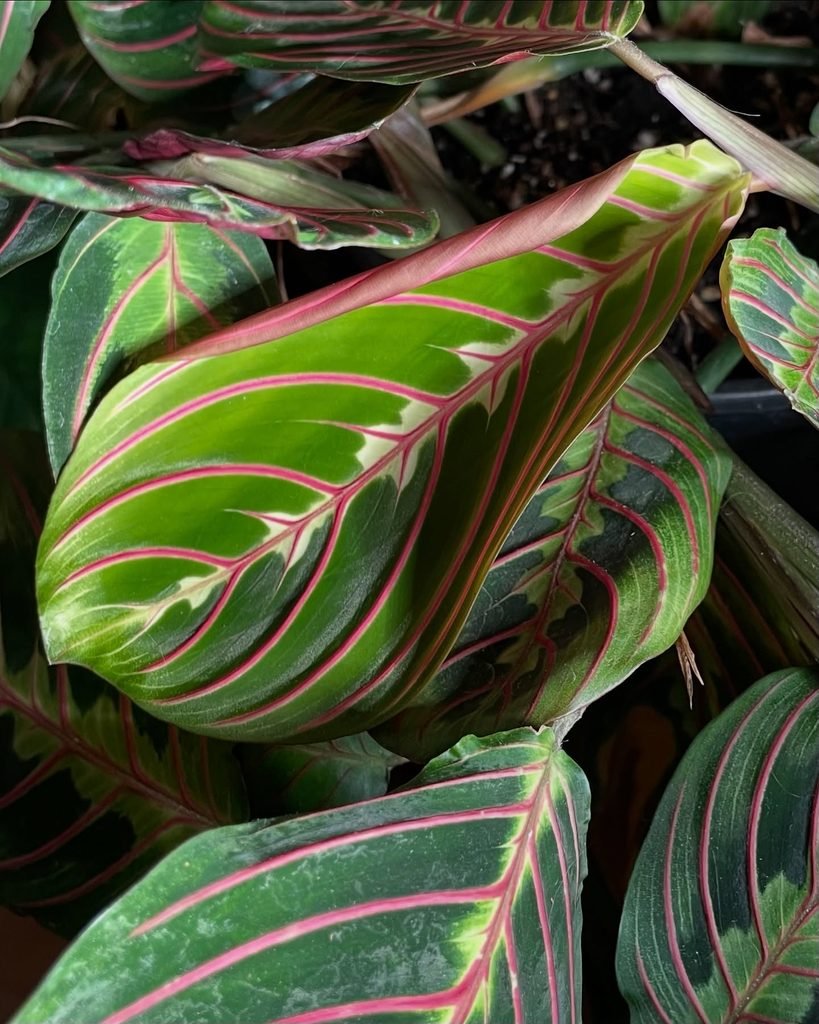
Striking patterned leaves that fold upward at night, which is where the name comes from. The nightly movement is genuinely enjoyable and unusual among houseplants.
It dislikes direct sun, which is why it turns up on low light lists, but it actually wants medium light. It also needs high humidity and consistently moist soil, so it is not a low effort choice.
Care tips
- Light: Medium. Needs around 150 foot candles to keep its markings.
- Soil: Moisture retentive mix that never fully dries.
- Water: Twice weekly with filtered or rainwater.
- Size: Up to 12 inches tall and 18 inches wide.
- Humidity: Above 60 percent. A humidifier makes a real difference.
- Watch for: Crispy edges, which mean humidity is too low.
- Toxic to pets: No.
27. Calathea
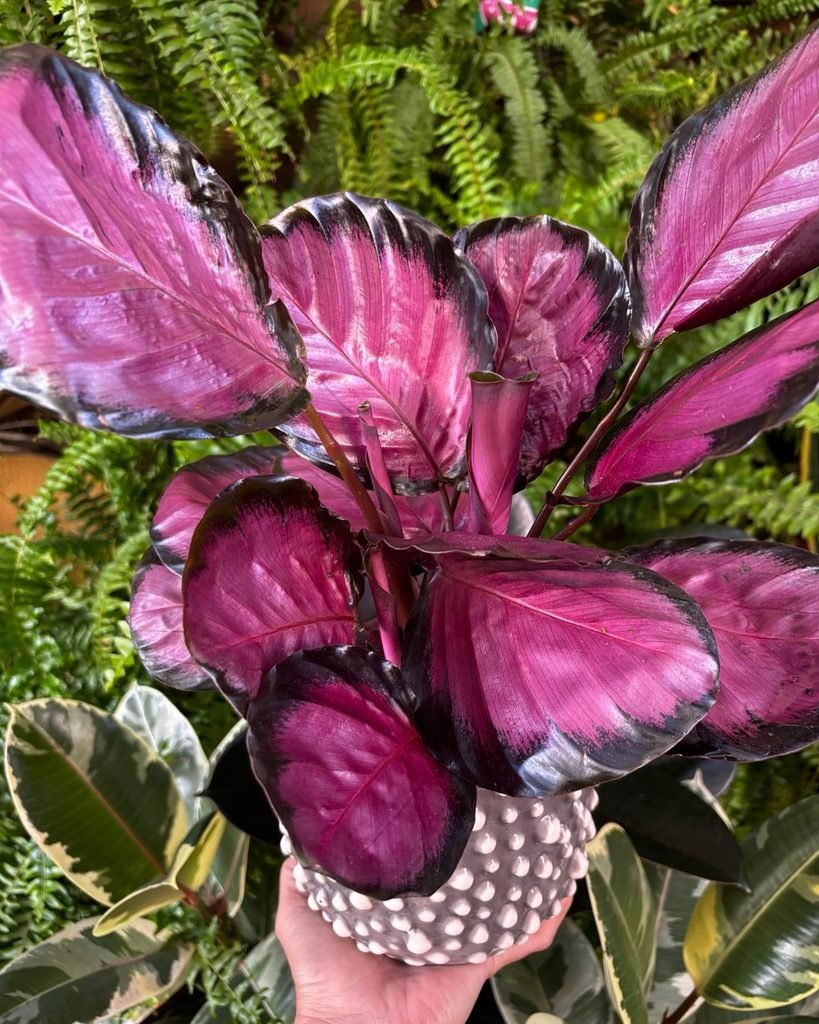
Beautifully marked leaves across dozens of varieties, and one of the most photographed houseplants going. The patterning is genuinely remarkable up close.
Same caveat as the prayer plant, only stronger. It prefers indirect light rather than low light, and it is particular about humidity, water quality and consistency. Not a beginner plant and not a dark corner plant.
Care tips
- Light: Medium. Around 150 foot candles minimum.
- Soil: Moisture retentive mix with good drainage.
- Water: Twice weekly. Filtered or rainwater only, as it reacts to tap minerals.
- Size: Up to 2 feet tall and 2 feet wide.
- Humidity: Above 60 percent, which is the main reason people struggle.
- Watch for: Curling and crisping leaves, usually water quality or dry air.
- Toxic to pets: No.
28. Nerve Plant
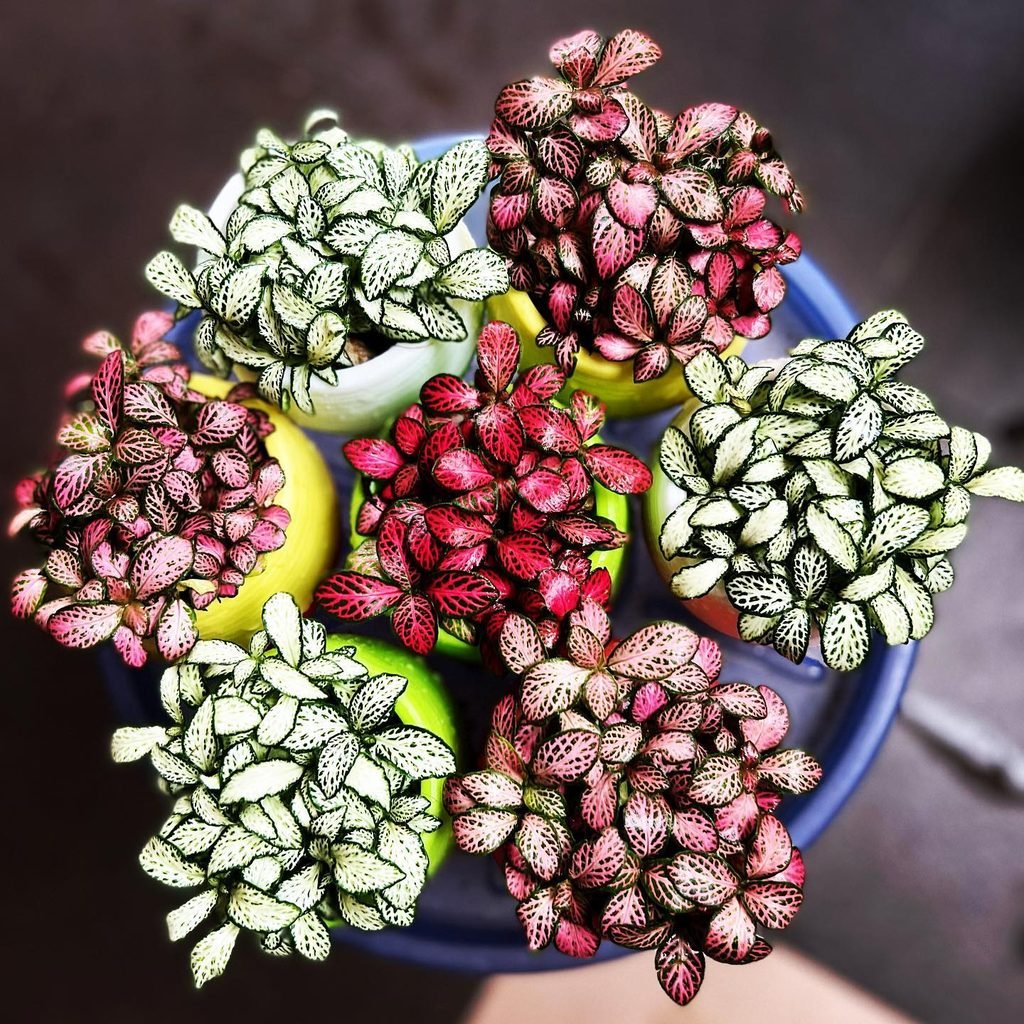
Compact plant with dramatic white or pink veining across dark green leaves, useful for adding detail to a shelf or terrarium arrangement.
It tolerates low light but demands high humidity, and it wilts theatrically the moment it dries out before recovering within hours of a drink. Terrariums and humid bathrooms suit it far better than open rooms.
Care tips
- Light: Low to medium. Around 100 foot candles minimum.
- Soil: Moisture retentive mix that stays damp.
- Water: Twice weekly. Never let it dry out completely.
- Size: Up to 6 inches tall, spreading to 12 inches wide.
- Humidity: Above 60 percent. A terrarium solves this entirely.
- Best spot: Bathrooms, terrariums and grouped plant displays.
- Toxic to pets: No.
29. Anthurium
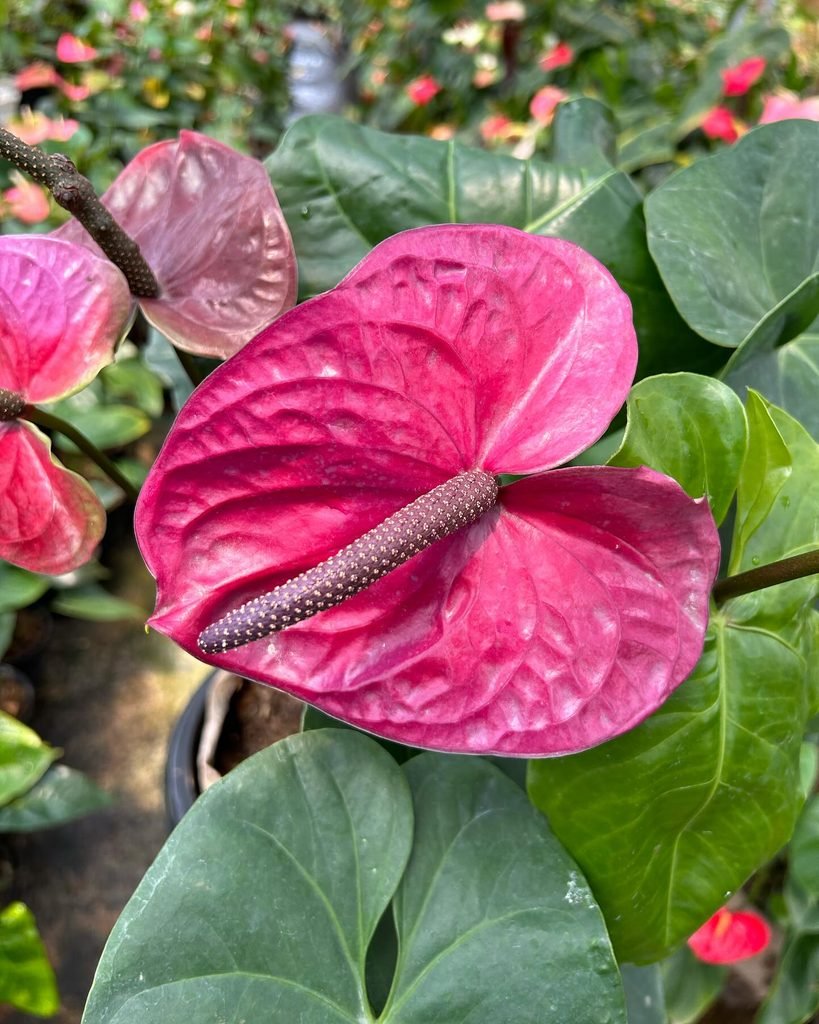
Glossy heart shaped leaves and waxy flower bracts in red, pink or white that hold their colour for months at a time, which is rare among houseplants.
It tolerates low light but stops flowering there. Unless you can offer a north or east window, buy it for the foliage and treat any flowers that appear as a bonus rather than the point.
Care tips
- Light: Medium. Needs 150 foot candles or more to flower.
- Soil: Chunky, fast draining mix with bark, similar to an orchid mix.
- Water: Weekly, once the top inch is dry.
- Size: Up to 2 feet tall and 2 feet wide.
- Humidity: Above 50 percent. Brown tips signal dry air.
- Feeding: Monthly in spring and summer to support flowering.
- Toxic to pets: Yes.
30. Bromeliad
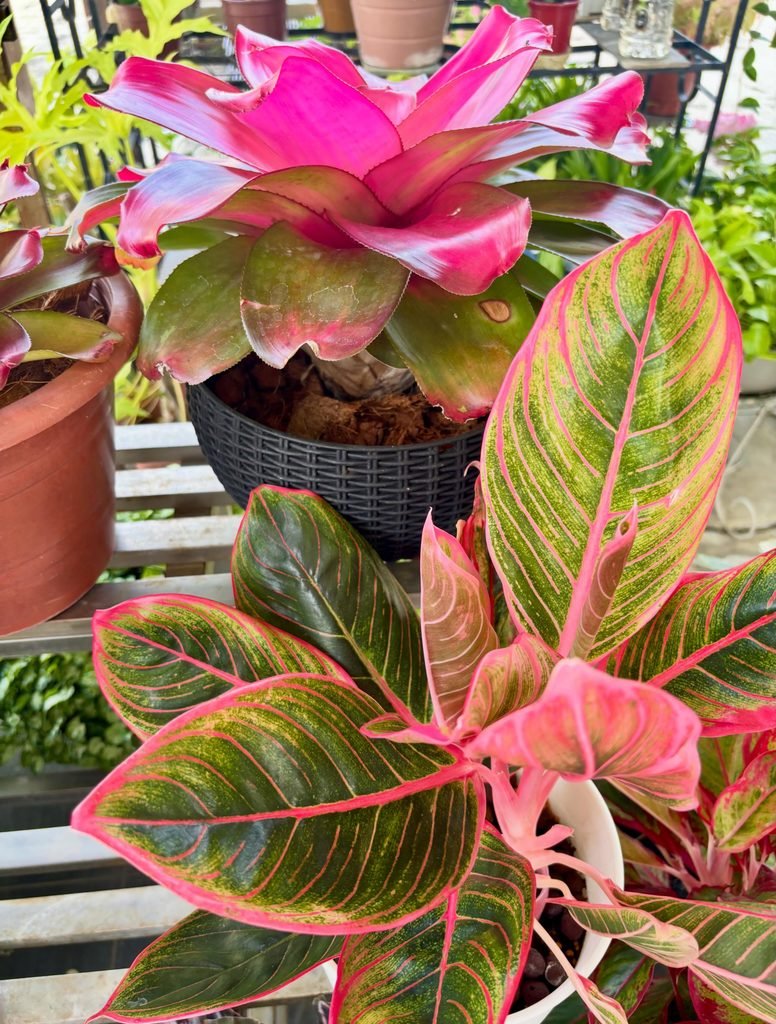
Rosette forming plants topped with dramatic coloured bracts that hold for months, which is unusual for anything producing colour in low light conditions.
Water into the central cup rather than the soil, and flush it monthly so it does not go stagnant. The parent plant dies after flowering, but it produces pups first that you can separate and grow on.
Care tips
- Light: Medium. Around 150 foot candles minimum.
- Soil: Very fast draining bark based mix.
- Water: Keep the central cup filled. Flush and refill monthly.
- Size: Up to 2 feet tall and 2 feet wide.
- Humidity: Above 50 percent suits it best.
- Lifecycle: The parent dies after flowering. Separate the pups to continue.
- Toxic to pets: No.
31. Christmas Cactus
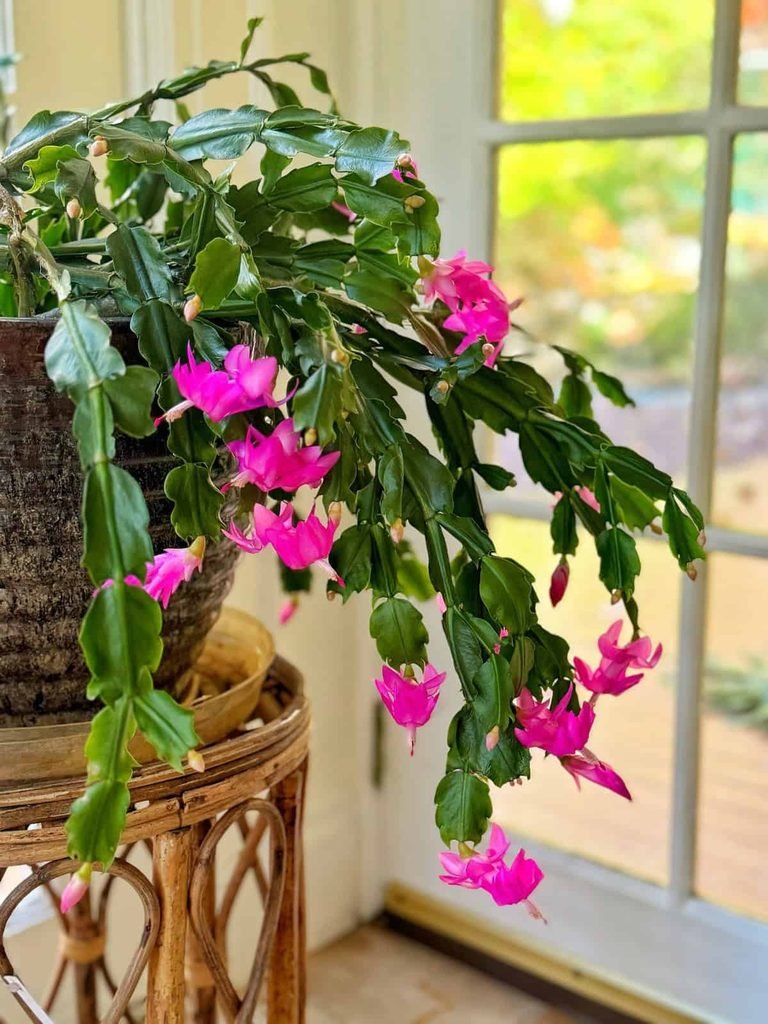
A forest cactus rather than a desert one, so it wants medium indirect light rather than a sunny windowsill. It tolerates lower light with correspondingly fewer flowers.
It needs a stretch of long uninterrupted dark nights in autumn to set buds, which is one of the few cases where a dim room actually works in your favour rather than against you.
Care tips
- Light: Medium. Around 150 foot candles minimum.
- Soil: Fast draining mix with bark or perlite.
- Water: Every one to two weeks. More while flowering.
- Size: Up to 2 feet wide and 1 foot tall.
- To trigger flowers: Twelve hours of uninterrupted darkness nightly for six weeks in autumn.
- Watch for: Bud drop, usually caused by moving it while in bud.
- Toxic to pets: No.
32. English Ivy
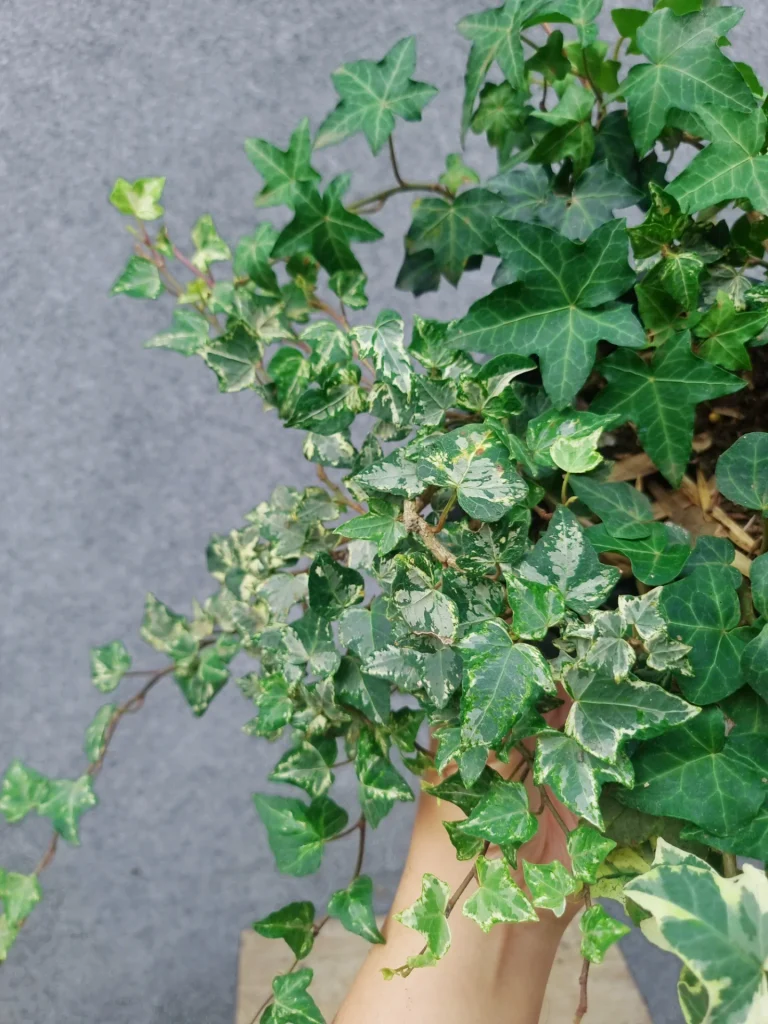
Classic trailing vine that tolerates both low light and cool rooms, and looks good cascading from a bookshelf, mantel or the top of a wardrobe.
It is prone to spider mites in dry indoor air. Check the undersides of the leaves monthly and rinse the foliage occasionally under a tap, which keeps numbers down without any treatment.
Care tips
- Light: Low to medium. Around 100 foot candles minimum.
- Soil: Standard potting mix.
- Water: Weekly. Keep lightly moist rather than dry.
- Size: Trails to 6 feet indoors.
- Temperature: Prefers cooler rooms, down to 55 degrees.
- Watch for: Spider mites, the most common problem with indoor ivy.
- Toxic to pets: Yes.
33. Button Fern
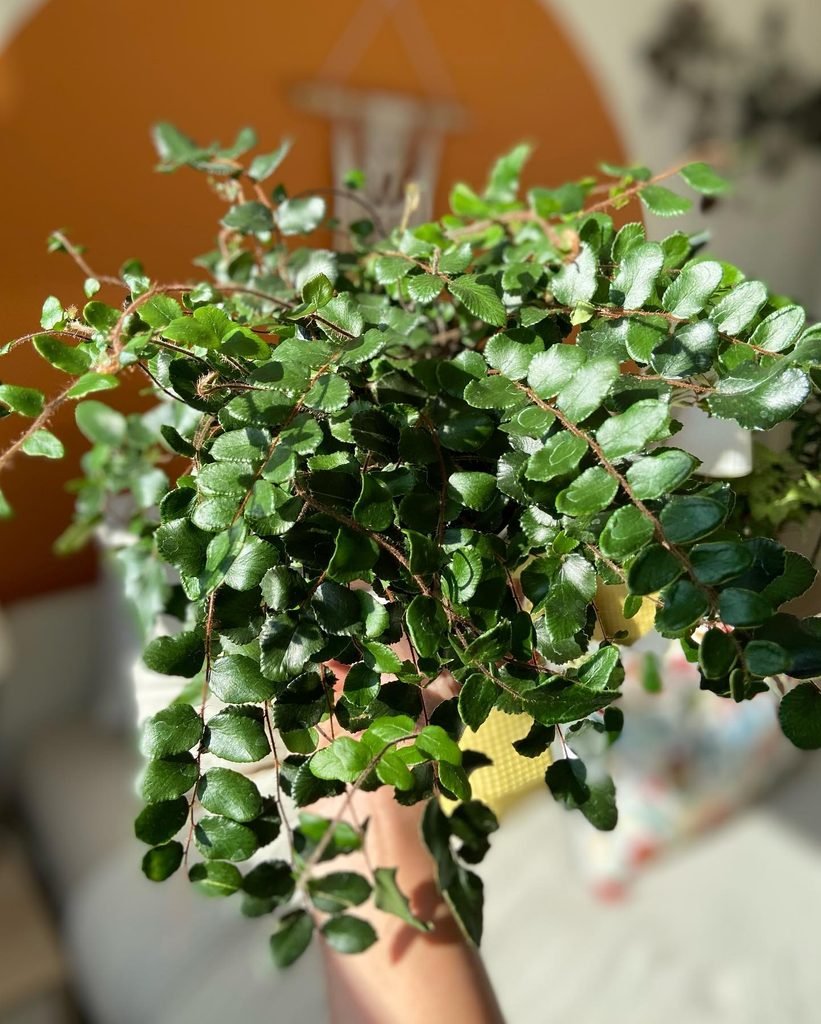
Small rounded leaflets along arching stems, giving a tidier look than most ferns and a good option if Boston ferns have defeated you before.
It is considerably more drought tolerant than other ferns, which makes it far easier in an average centrally heated home. It also handles lower light well and stays a manageable size on a shelf.
Care tips
- Light: Low to medium. Around 100 foot candles minimum.
- Soil: Well draining potting mix.
- Water: Weekly, letting the surface dry between waterings.
- Size: Up to 12 inches tall and 18 inches wide.
- Humidity: Copes with normal room air, unlike most ferns.
- Best spot: Shelves and side tables near a north window.
- Toxic to pets: No.
34. Staghorn Fern
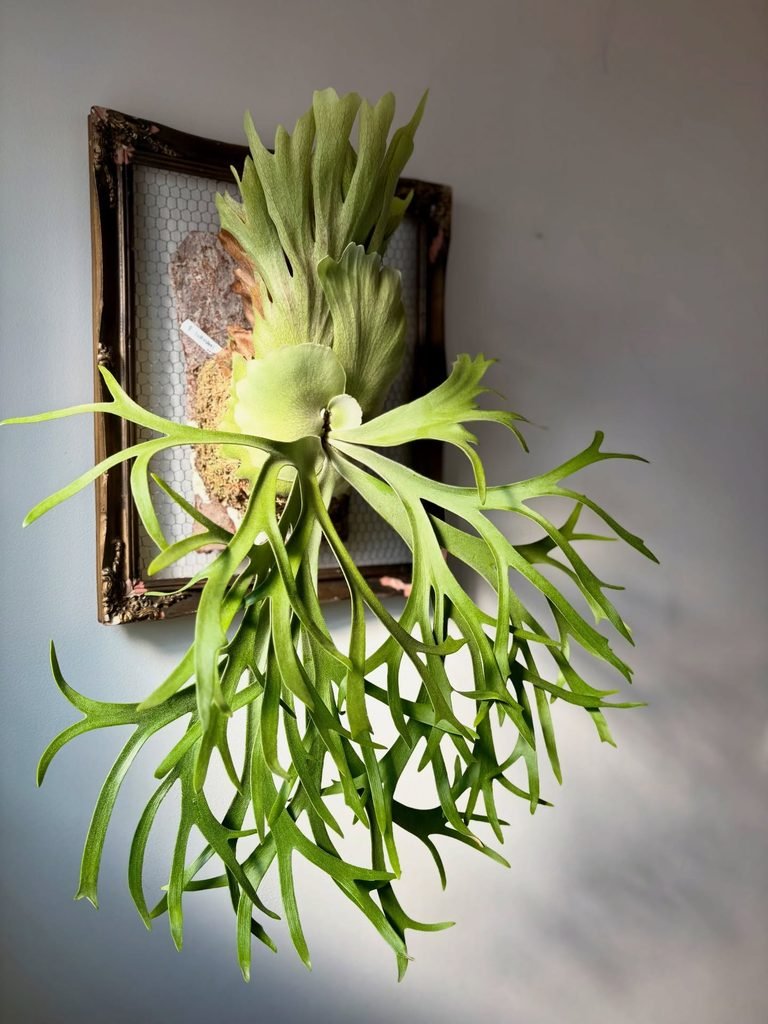
Antler shaped fronds, usually mounted on a wooden board and hung on a wall, which makes it a decorative object as much as a houseplant.
It tolerates lower light than most ferns. Water by taking the mount down and soaking it in a sink rather than trying to water soil that is not there, which is the part people find unfamiliar.
Care tips
- Light: Medium. Around 150 foot candles minimum.
- Soil: Sphagnum moss on a mounted board, or a bark mix in a pot.
- Water: Soak the mount weekly for ten minutes, then let it drain.
- Size: Up to 3 feet across when mature.
- Humidity: Above 50 percent. Bathrooms suit it well.
- Watch for: The flat shield fronds browning, which is normal, not a problem.
- Toxic to pets: No.
35. Aluminum Plant
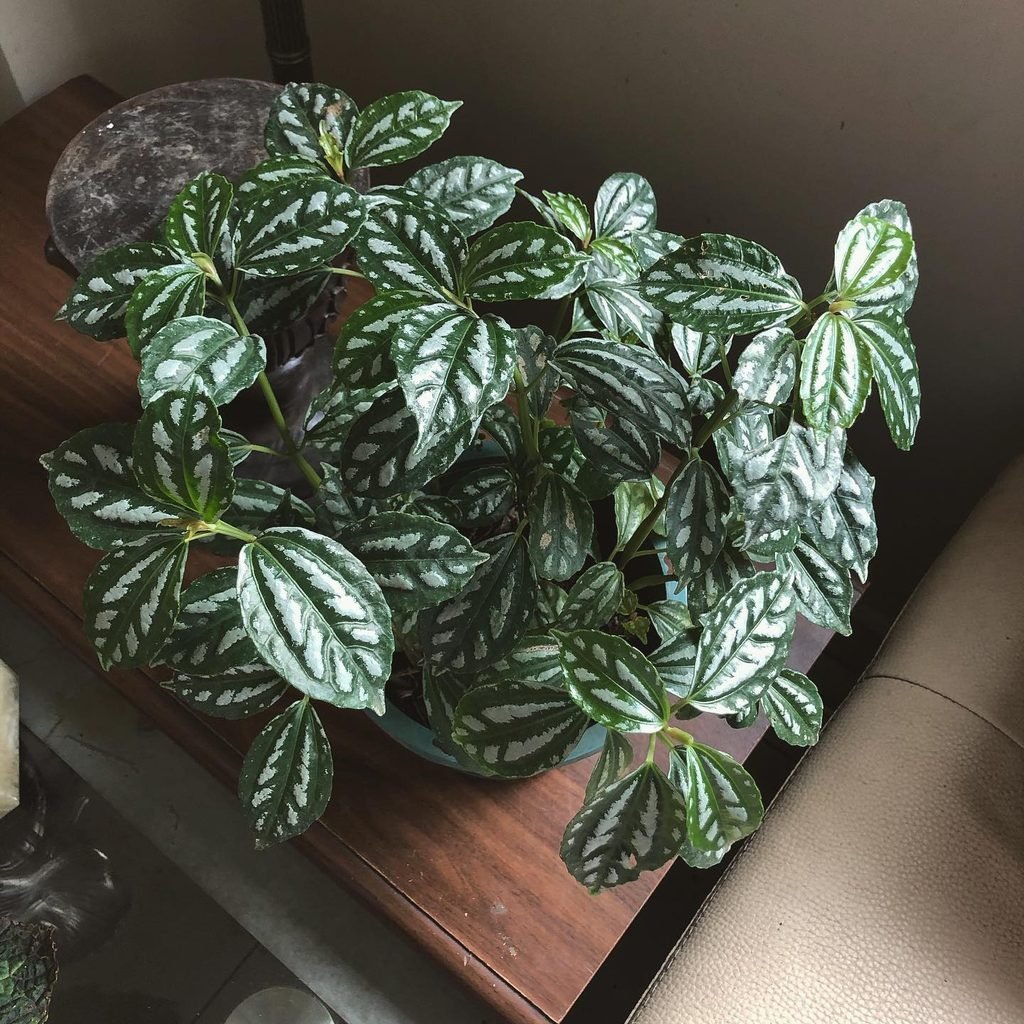
Compact plant with silver splashed green leaves that catch what little light there is, which brightens a dark shelf more effectively than a plain green plant would.
It gets leggy in dim conditions, so pinch the tips back regularly to keep it compact. Cuttings root easily in water, which means you can refresh the whole plant whenever it starts to sprawl.
Care tips
- Light: Medium. Around 150 foot candles minimum.
- Soil: Standard potting mix with perlite.
- Water: Weekly, once the top inch is dry.
- Size: Up to 12 inches tall and 12 inches wide.
- Pruning: Pinch tips monthly to prevent legginess.
- Propagation: Stem cuttings root in water within two weeks.
- Toxic to pets: No.
36. Money Tree
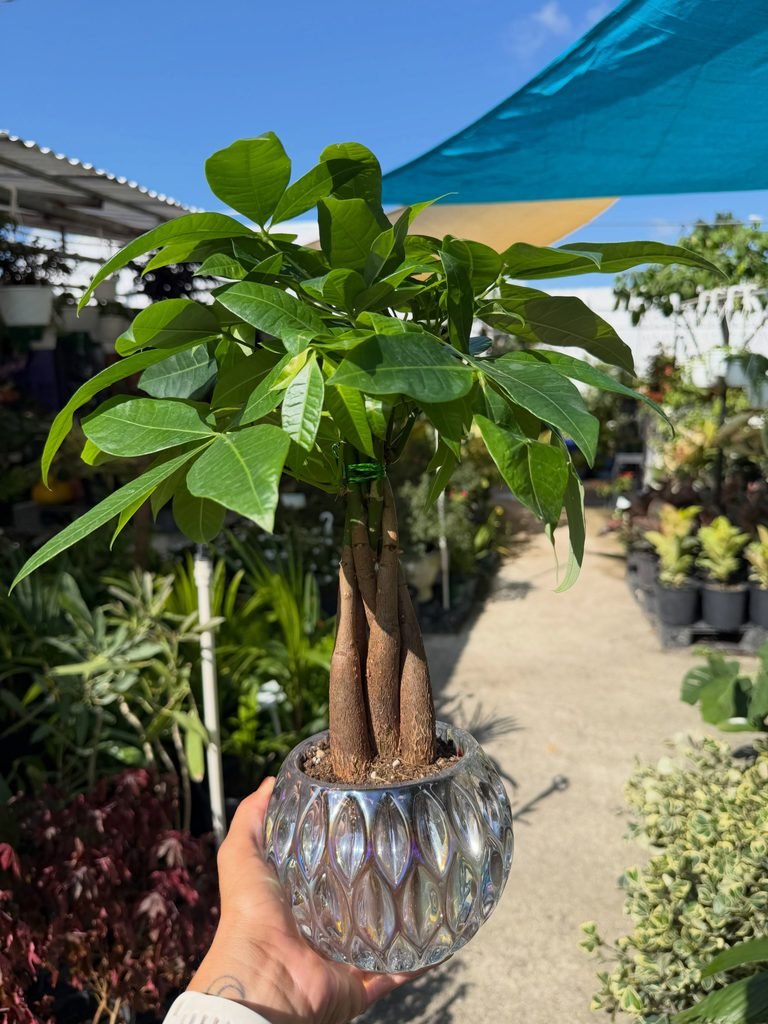
Braided trunk topped with palmate leaves, sold everywhere as a low light plant and popular as a housewarming or office gift.
The honest position is that it tolerates low light rather than enjoying it. In a dim room it grows very slowly and sheds leaves steadily. A north or east window improves it dramatically and costs you nothing.
Care tips
- Light: Medium. Around 150 foot candles for healthy growth.
- Soil: Well draining potting mix.
- Water: Every one to two weeks, once the top two inches are dry.
- Size: Up to 6 feet tall indoors.
- Maintenance: Rotate monthly, as it leans toward light noticeably.
- Watch for: Leaf drop, almost always too little light or too much water.
- Toxic to pets: No.
37. Ponytail Palm
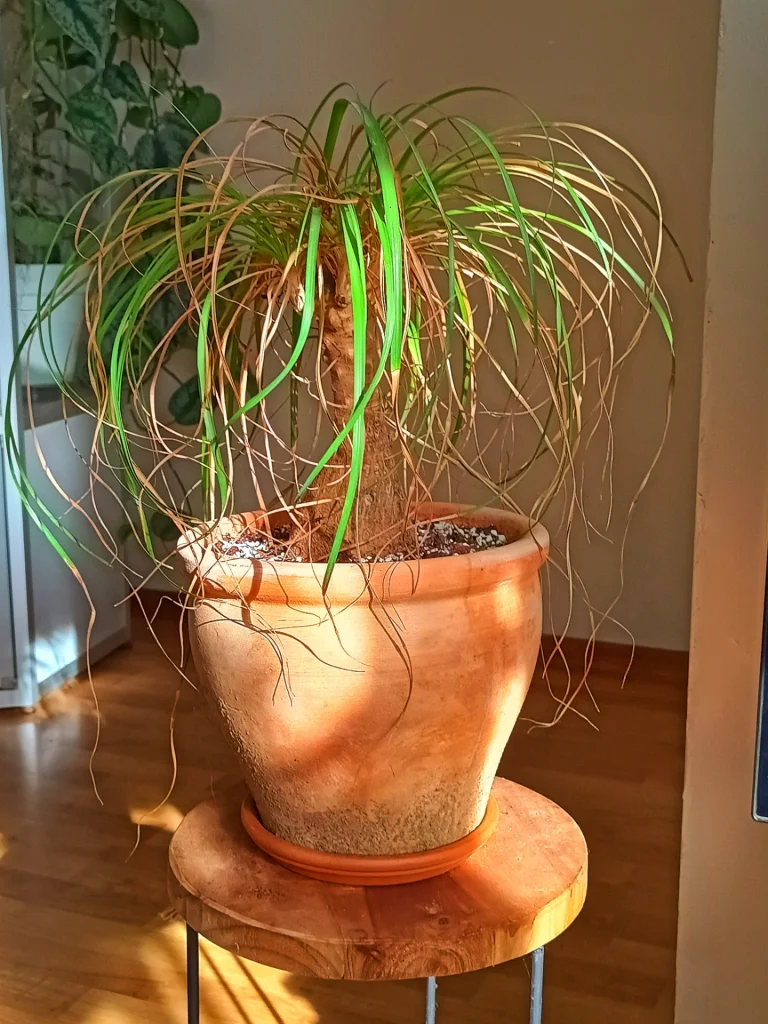
Not a palm but a succulent, with a swollen water storing base and long thin arching leaves that spill outward like a fountain. It has real presence for something so undemanding.
It tolerates low light and very long gaps between waterings. Growth in a dim room is close to imperceptible, so buy it at roughly the size you want to keep rather than waiting for it to fill out.
Care tips
- Light: Medium preferred. Survives 100 foot candles with almost no growth.
- Soil: Gritty cactus mix. Drainage matters more than anything else.
- Water: Every three to four weeks. Let it dry out fully between.
- Size: Up to 6 feet tall indoors over many years.
- Pot choice: Wide and shallow suits the bulbous base best.
- Watch for: A soft base, which means rot and is usually fatal.
- Toxic to pets: No.
Plants that do not belong on low light lists
You will find all of these recommended for dark rooms on well ranking pages. None of them belong there.
Fiddle leaf fig needs several hours of bright light and drops leaves steadily without it. Monstera deliciosa survives medium light but stops fenestrating and produces smaller leaves each time, as covered in our monstera care guide. Succulents and cacti mostly want 500 foot candles and up, and will stretch and pale in a dim room. Croton, hibiscus and most flowering plants need energy that low light simply does not supply.
Quick picks by situation
| Situation | Best picks |
|---|---|
| Interior corner, no nearby window | ZZ plant, cast iron plant, jade pothos, Dracaena Lisa |
| North facing window | Almost anything on this list |
| Windowless bathroom | Nerve plant, bird’s nest fern, ZZ plant, with a grow light |
| Dark bedroom | Snake plant, ZZ plant, heartleaf philodendron |
| Homes with cats or dogs | Cast iron plant, parlor palm, peperomia, button fern, hoya |
| Floor plant for a dim corner | Kentia palm, Dracaena Lisa, corn plant, lady palm |
| Trailing from a shelf | Jade pothos, heartleaf philodendron, satin pothos, hoya |
| You forget to water | ZZ plant, snake plant, cast iron plant, ponytail palm |
| You water too often | Peace lily, Boston fern, nerve plant |
Our floating shelf ideas cover display options for the trailing plants above.
Rooms with no window at all
A 20 to 30 watt full spectrum LED on a timer for eight to ten hours a day turns a dead zone into a viable spot for anything in Tier 1 or 2. Modern bulbs fit ordinary fittings and do not look clinical.
The cheaper alternative is rotation. Keep two plants and swap them fortnightly, one in the dark spot and one recovering somewhere brighter. This works particularly well for bathrooms and interior hallways.
Winter changes everything
Indoor light can fall by more than half between summer and midwinter, so a spot that supported a plant comfortably in July may sit below its survival threshold in January.
From late autumn, move plants closer to windows but away from cold glass, stretch watering intervals considerably, stop feeding until spring, and wipe dust off the leaves since it blocks light that is already scarce. Expect no new growth and do not read that as failure.