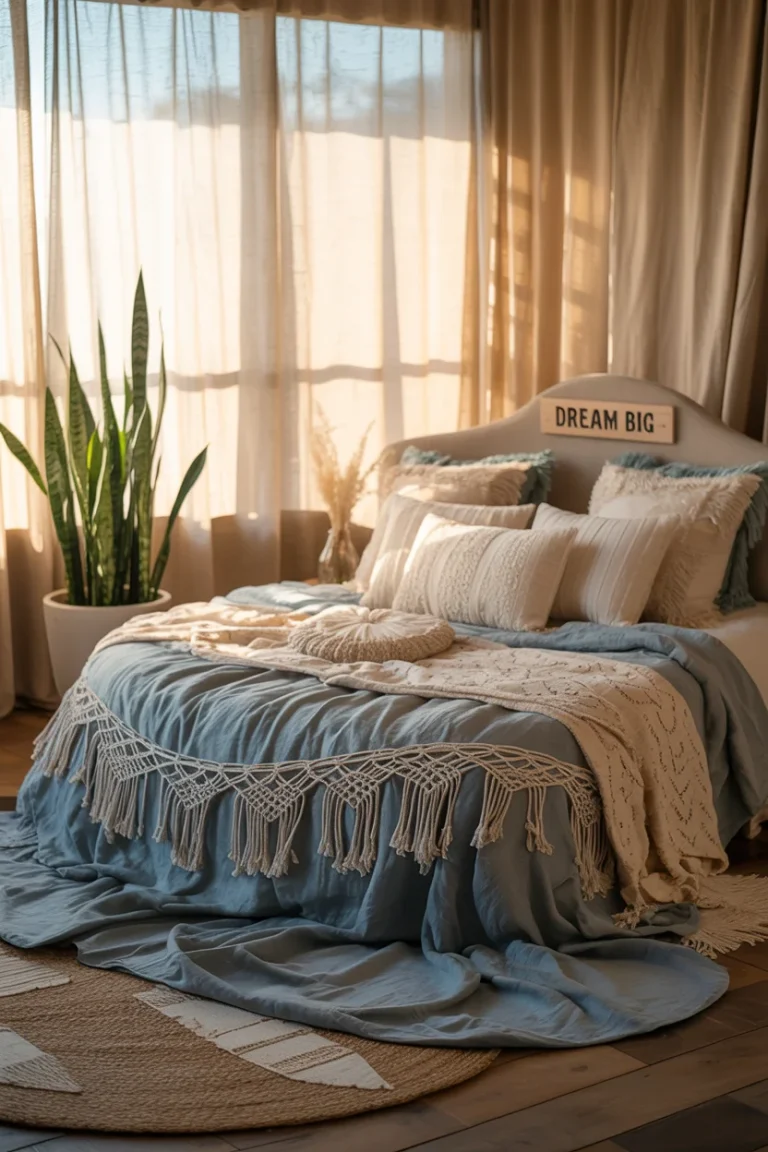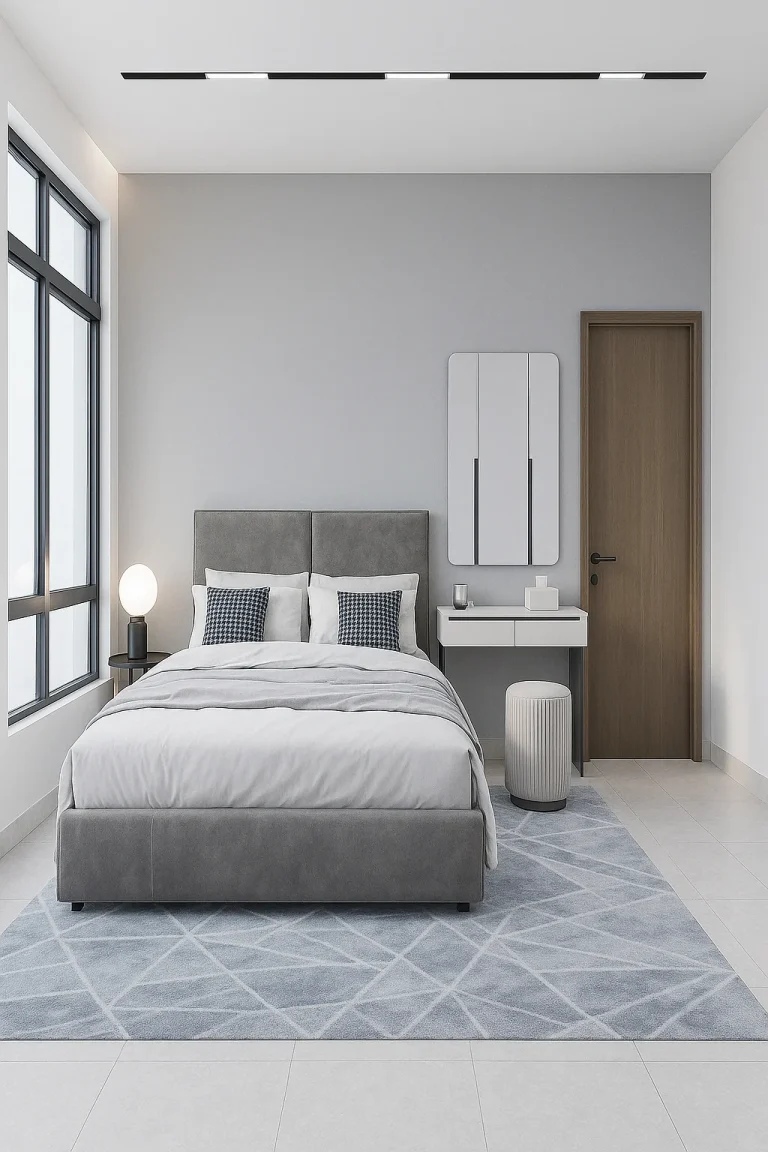
How to Make a Bedroom Look Bigger: 15 Clever Design Tricks That Actually Work
Tired of feeling boxed in by your bedroom walls? Whether you’re in a studio apartment or working with a compact master suite, you don’t need to knock down walls to make a difference. Smart design choices can trick the eye and create a sense of space. In this guide, you’ll find 15 creative, practical tips to make your small bedroom look bigger—without sacrificing comfort or style.
1. Use Light Colors to Open Up the Space
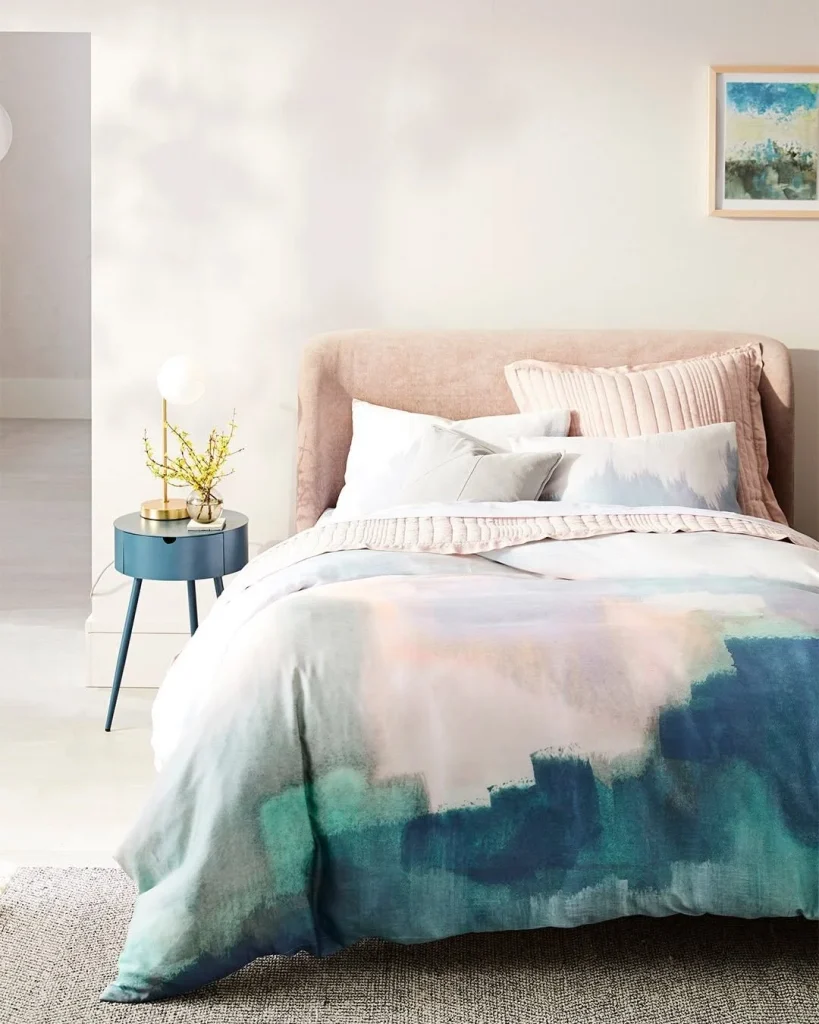
Color is one of the most powerful tools in making a room appear larger. Light shades like soft white, pale beige, icy blue, or gentle grays naturally reflect more light, giving your bedroom a brighter, more expansive feel. These tones push the walls outward visually, helping the room breathe.
To enhance this effect, keep ceilings and trim slightly lighter than your walls. This subtle contrast adds visual depth and keeps the space from feeling flat. Avoid dark or saturated colors across all four walls—they can make your bedroom feel cozy but will definitely close it in visually.
Bonus Tip: Keep trims and ceilings lighter than the walls for added depth.
2. Choose Multi-Functional Furniture
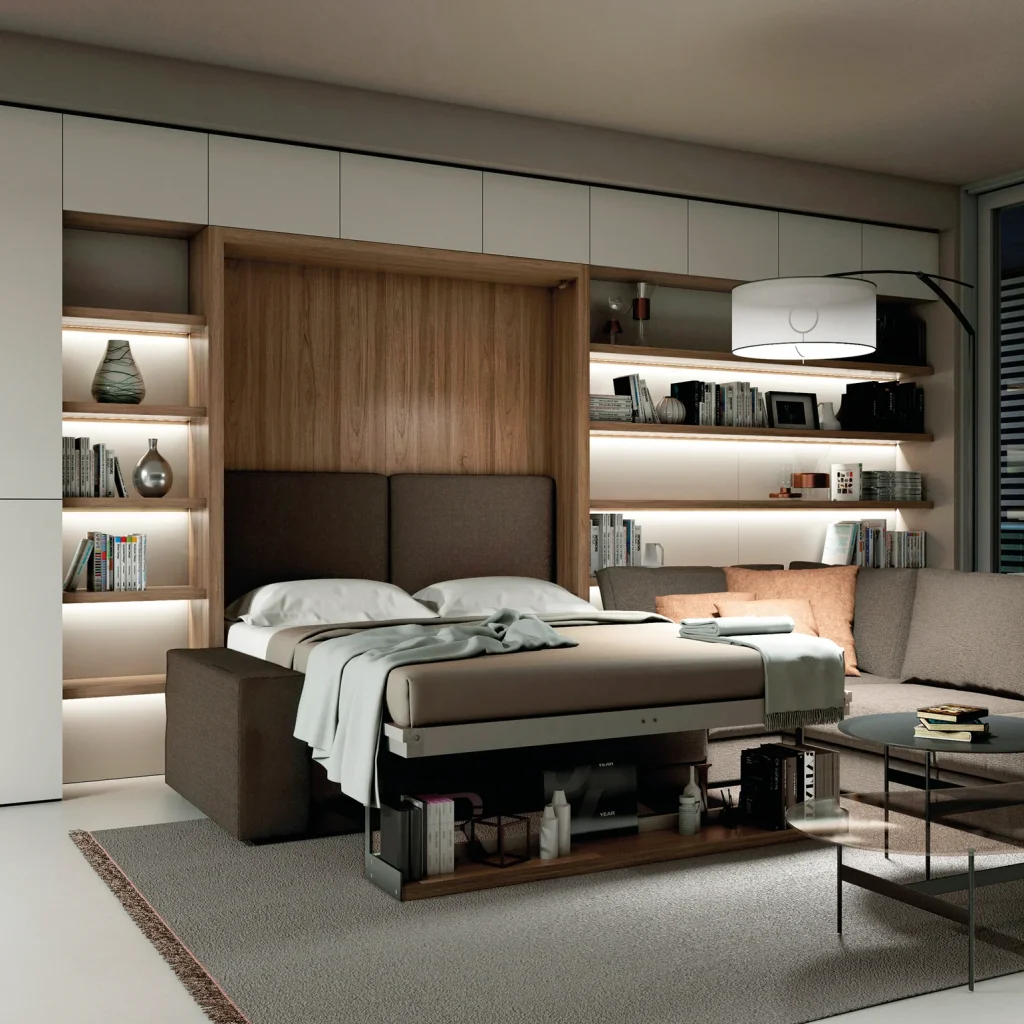
In a small bedroom, every inch matters. Instead of cluttering the space with separate pieces for storage, sitting, and working, invest in furniture that can serve more than one purpose. A bed with deep built-in drawers or a lift-up mattress can hold linens, shoes, or out-of-season clothes. A floating desk that folds away when not in use can double as a vanity.
This approach clears unnecessary items from the floor and simplifies the layout, which leads to a cleaner and more open feeling. Choose pieces that visually blend with the room for an even more seamless look.
3. Embrace Vertical Storage

If you can’t spread out, go up. Vertical storage solutions draw the eye upward and make a room feel taller. Install floating shelves above the bed, tall wardrobes, or slim bookcases that reach the ceiling. Not only does this maximize storage, but it also frees up floor space.
Wall-mounted nightstands or bedside lighting eliminate the need for bulky side tables. If you’re dealing with high ceilings, you can even create vertical zones—like a bookshelf ladder or hanging planters—to take full advantage of every square foot.
Tip: Avoid overloading shelves—leave some empty space to reduce visual clutter.
4. Keep the Floor Clear
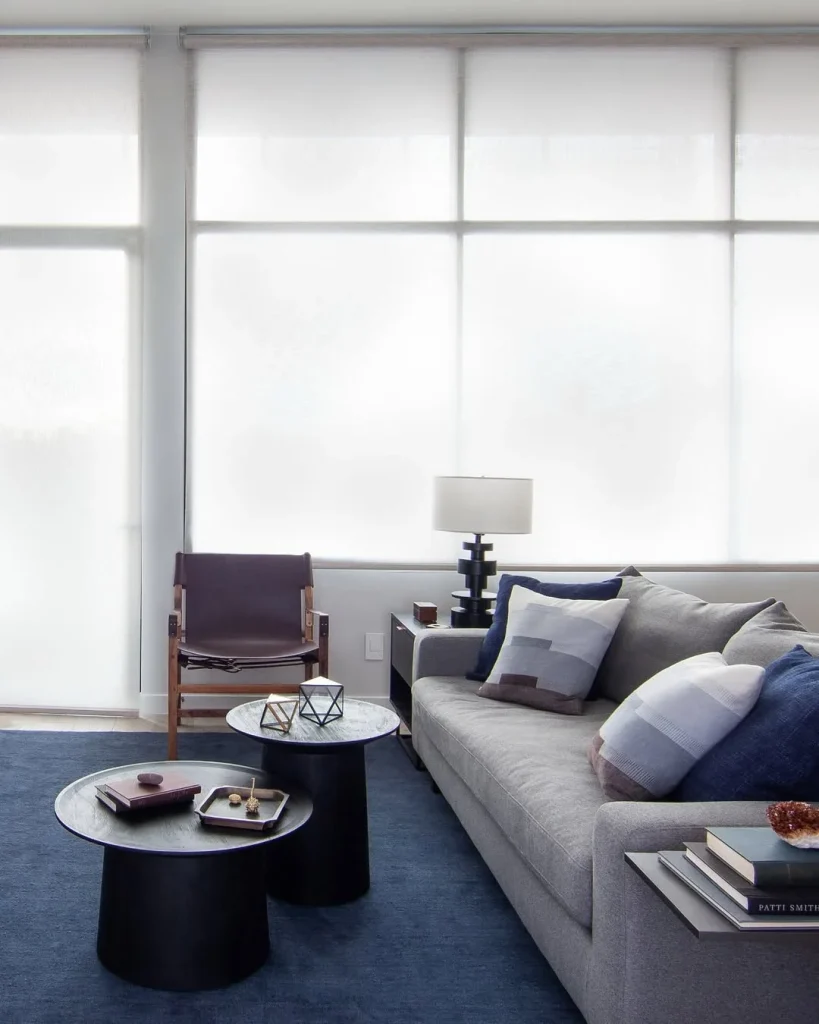
A clean, visible floor gives the impression of openness. That means choosing furniture with legs rather than solid bases and minimizing the number of items that rest directly on the ground. Even small things like a laundry basket or cluttered cords can visually crowd your space.
Opt for floating furniture where possible, like wall-mounted desks or shelves. If you must use floor-based items, go for fewer and larger pieces instead of many small ones, which can look messier. A clear floor not only looks neater but makes walking around more comfortable, too.
5. Use Mirrors to Reflect Light and Space

Mirrors are one of the oldest and most effective tricks in the book. They create the illusion of depth and double the amount of visual space by reflecting the room back into itself. A full-length mirror placed opposite a window maximizes natural light and makes the room feel airy.
Even mirrored furniture, like nightstands or dressers, can subtly bounce light around. Wall-to-wall or floor-to-ceiling mirrors can act like an extra window—especially helpful in dim or north-facing bedrooms. The larger the mirror, the greater the impact.
Advanced Tip: Mirrored wardrobes or closet doors can double this effect.
6. Go for Minimalist Styling

Less is truly more when you’re working with a small space. Over-decorating with wall art, pillows, or furniture only creates visual noise. Instead, adopt a minimalist approach that focuses on function and calm.
Choose a simple bedding set in a solid or soft pattern, use only one or two decor accents per surface, and keep closets and drawers closed. This style not only makes the room feel bigger but also reduces mental clutter—your bedroom becomes a place to truly relax.
Design Note: Minimal doesn’t mean boring. Use texture (woven throws, linen bedding) to add interest.
7. Add Vertical Lines or Tall Curtains

Vertical lines naturally guide the eye upward, helping create the illusion of higher ceilings. One easy way to achieve this is by installing curtain rods closer to the ceiling and letting your drapes fall all the way to the floor. This draws the eye up and makes windows appear larger.
Alternatively, consider vertical paneling, floor lamps, or artwork that emphasizes height. Even tall houseplants like snake plants can help build that visual lift. Combined with neutral colors, vertical elements make your small bedroom feel taller and more open.
Trick: Hang curtain rods 4–6 inches above the window frame for instant height.
8. Select Low-Profile Furniture

When your bed or furniture sits lower to the ground, there’s more open wall and ceiling visible above it, which instantly adds to the sense of space. Platform beds, low ottomans, and short dressers give your room room to breathe—literally and visually.
Just make sure to balance the scale. A low-profile bed works best when paired with equally scaled-down furniture. Oversized headboards or lamps next to a low bed can throw off proportions, which is the opposite of what you want in a small space.
Style Tip: Try a sleek platform bed with legs instead of a bulky bed frame.
9. Let in Natural Light

Nothing opens up a space quite like sunlight. If your bedroom has windows, maximize their impact. Avoid blocking them with heavy curtains, headboards, or furniture. Instead, go for sheer curtains or blinds that filter light while maintaining privacy.
If privacy is a concern, layer window treatments—use light sheers for daytime and heavier drapes for night. The more natural light you allow in, the less reliant you’ll be on lamps, and the more spacious your bedroom will feel throughout the day.
Pro Tip: Use mirrors and reflective surfaces to multiply the effect of natural light.
10. Use One Large Rug Instead of Several Small Ones
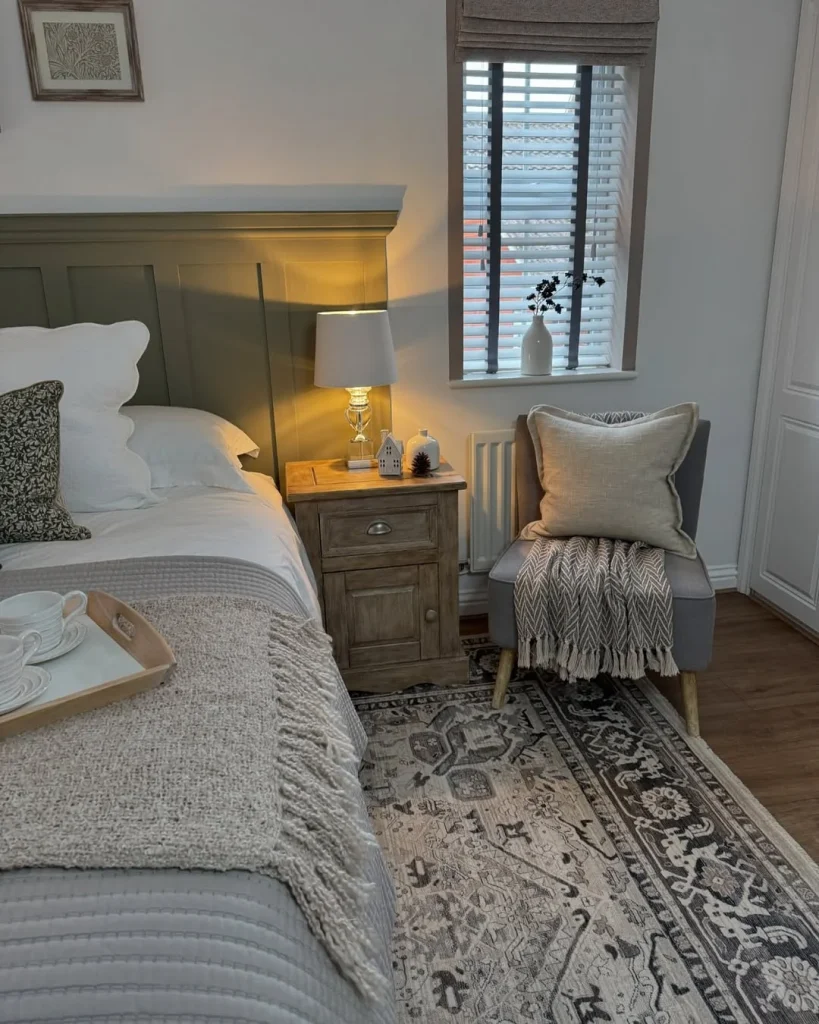
A large area rug can visually anchor the entire room, giving it cohesion. Using several small rugs may create unnecessary breaks in the space, making it feel chopped up or even cluttered. Look for rugs that extend beneath the bed and surrounding furniture to pull everything together.
Stick to simple patterns or solid colors that match your palette. Textured rugs, like jute or looped wool, can add depth without making the room look busy. This grounding effect helps trick the eye into seeing the room as larger than it is.
11. Stick to a Tight Color Palette

When your color scheme is consistent, your bedroom feels calm and united. Avoid clashing or high-contrast tones that can visually segment the room. Instead, choose 2–3 complementary hues and stick with them across walls, bedding, furniture, and even accessories.
For example, a base of soft white combined with warm wood and a touch of sage green can feel both serene and spacious. A unified color story tricks the brain into reading the room as one continuous space rather than a collection of parts.
12. Try Built-In Storage or Wall Nooks

Built-ins are space-saving superheroes. Whether it’s a recessed shelf in the wall, a window bench with storage underneath, or a headboard with integrated cubbies—these solutions free up space and reduce the need for extra furniture.
They also allow you to use otherwise wasted space creatively. Consider niches beside the bed for nighttime essentials or built-in closet organizers to maximize clothing storage. Best of all, they make everything look custom-designed and tidy.
Inspiration: A built-in bookshelf headboard or corner wall shelf keeps floor space free.
13. Use Clear or Lucite Furniture
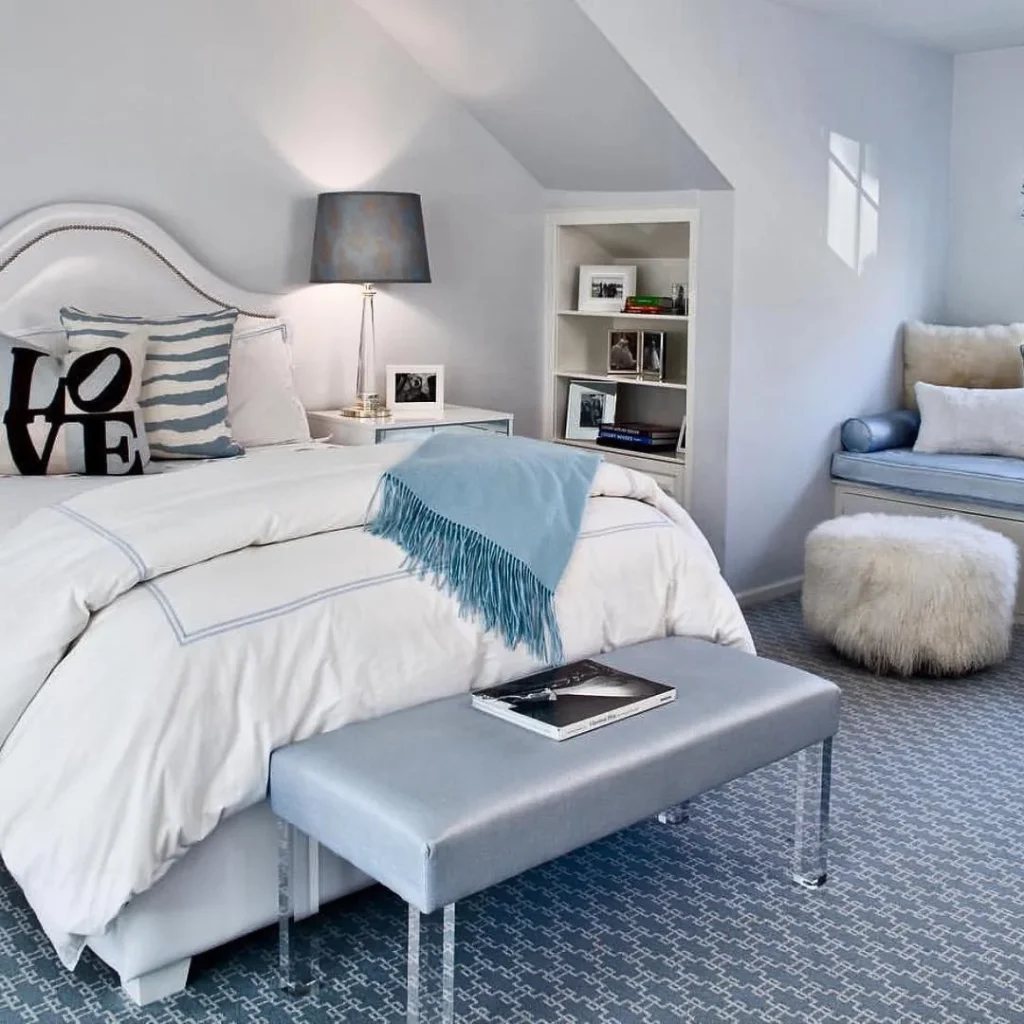
Transparent furniture—like acrylic chairs or glass desks—visually “disappears” into the room. Because your eyes can see through them, they don’t interrupt the visual flow. This is perfect for tight spaces where every visual inch matters.
You’ll often see lucite furniture in modern decor, but it also pairs beautifully with minimalist, boho, or glam interiors. Use sparingly—one or two pieces are enough to make a noticeable difference without making the room feel cold.
Note: They’re stylish and invisible at the same time—ideal for tight rooms.
14. Mount Lighting on the Wall
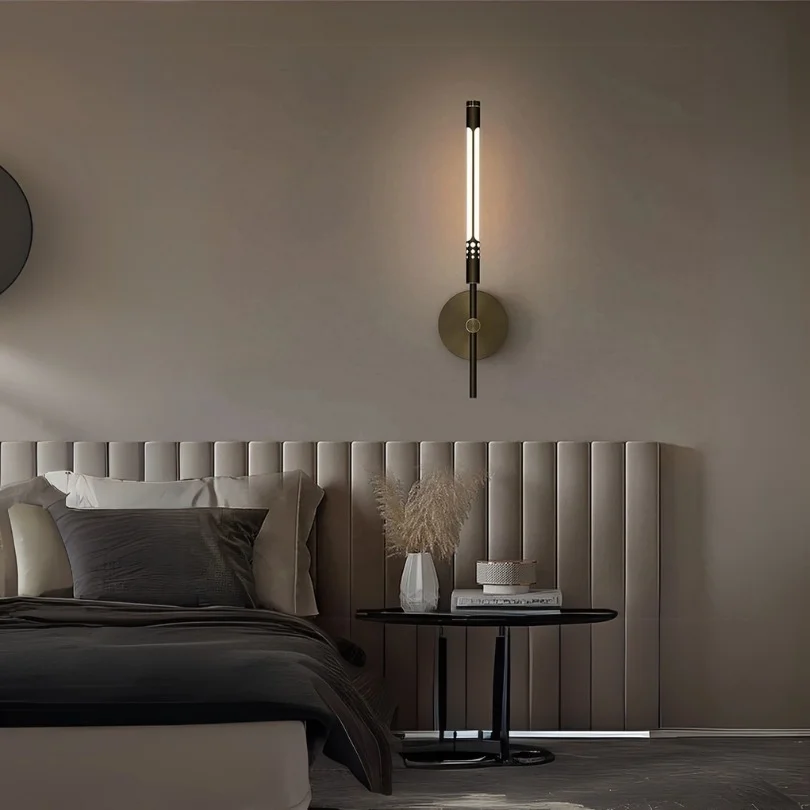
Wall-mounted lights such as sconces or pendant lamps can replace traditional bedside lamps, freeing up valuable surface space. They also draw attention upward, enhancing the vertical scale of the room.
Choose designs that match your decor—sleek black sconces for modern rooms or brass swing-arm lights for a more classic feel. For renters, peel-and-stick wall lamps or battery-operated options offer flexibility without the need for drilling.
Tip: Adjustable wall lights also make excellent reading lights above the bed.
15. Paint the Ceiling a Slightly Lighter Shade

Want to visually “raise” your ceiling? Paint it a shade or two lighter than the wall color. This subtle transition creates an open, airy feel by reducing the contrast between wall and ceiling lines.
Avoid stark white unless your walls are also white—it can make the ceiling feel disconnected. Instead, use a soft version of your main color to create flow while keeping the atmosphere light and spacious.
Paint Tip: Stick to matte or eggshell finishes for a soft look that hides imperfections.