
14 Sauna Tips for Beginners: Relax Safely, Sweat Smart & Enjoy Every Session
Thinking about your first sauna? You’re in for a treat. Saunas offer soothing warmth, relaxation, and wellness benefits, but only when done right. In this guide, I’ll share 14 beginner sauna tips drawn from Finnish traditions and medical insights. You’ll learn about temperatures, timing, hydration, etiquette, detox tricks, and more. Plus, I include visual-minded pointers, expert advice, and real-world tips so you’ll feel calm, confident, and ready to soak up the heat in style and safety.
1. Choose the Right Temperature: Aim for Comfort over Extremes

Your first sauna experience should feel welcoming, not overwhelming. Traditional Finnish saunas run around 70–90°C (160–195°F). For beginners, start at the lower end, around 70–75°C and give your body time to adapt. Use a thermometer or heater control to stay in the comfort zone. As heat increases, humidity (called löyly in Finnish) can make it feel hotter. Gently pour water on the stones to adjust. The goal is a cozy, breathable warmth. Think relaxing spa, not heat challenge.
2. Limit Your First Session to 8–10 Minutes
Newbies often stay too long and end up dizzy or fatigued. Saunas heat your body quickly, and if you’re not used to it, the experience can go from soothing to stressful. Stick to a short, 8–10-minute session your first time. Focus on your breath, relax your muscles, and let the warmth settle in.
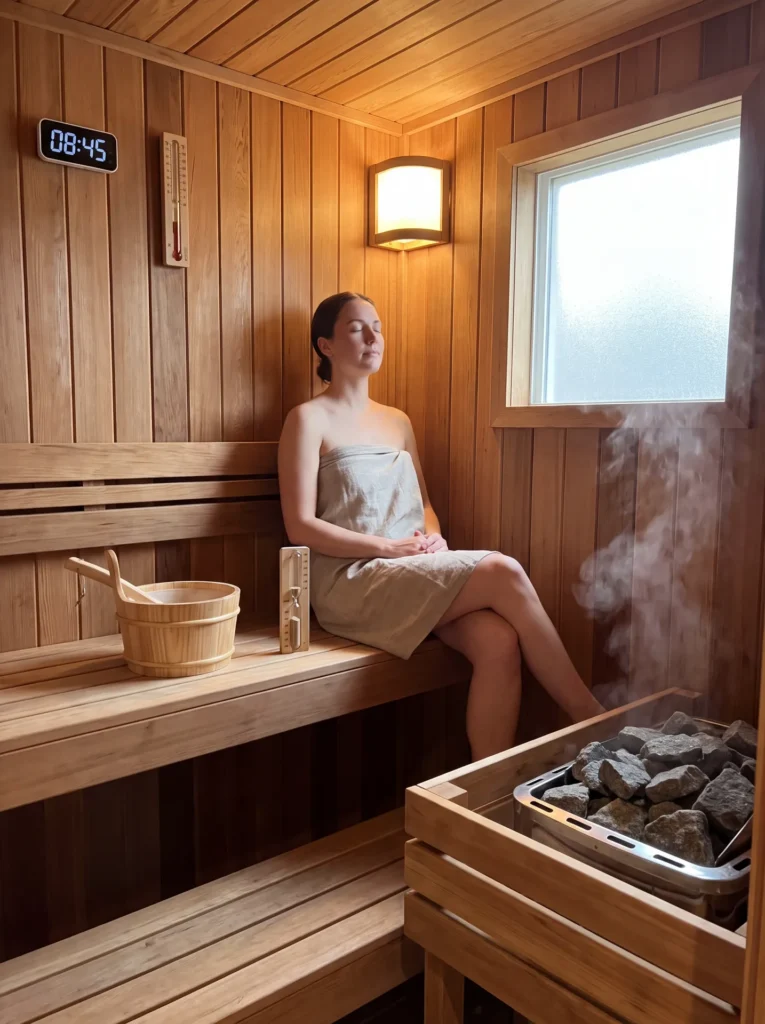
Don’t worry about “sweating it out” right away, sweat will come naturally. If you’re not sweating much the first time, that’s okay too. Some people need more sessions before their body adjusts to heat. Gradually, you can build up to 12–15 minutes as your comfort grows.
3. Shower Before and After – Hygiene & Effects
Take a quick shower before entering the sauna to remove oils, lotions, or sweat. This opens your pores and allows for better heat absorption. After your session, rinse off the sweat and any toxins your body released. A cool shower helps bring your body temperature back to normal and refreshes your skin. Many sauna regulars say this routine enhances the cleansing effect and leaves them feeling more energized.
RELATED: 20 Small Bathroom Ideas for Stylish Spaces.
4. Hydration Comes First—Before, During, and After
Hydration is not optional, it’s essential. Before entering the sauna, drink at least one full glass of water. Inside, if you stay in longer than 15 minutes or do multiple rounds, take small sips during breaks. Afterward, hydrate again.
Electrolyte drinks, coconut water, or mineral-rich fruit juices are excellent options. Signs of dehydration include dizziness, dry mouth, fatigue, or headache. If you notice any, take a break and drink water immediately. Sauna heat naturally dries your body, so replenishing fluids is the key to feeling great post-session and reaping the full benefits.
5. Try “Loyly” Ritual: Small Water Pours for Gentle Steam
“Löyly” refers to the wave of steam that rises when you pour water onto hot sauna stones. It’s not just steam, it’s tradition. Use a ladle to gently splash a small amount of water at a time to raise the humidity without flooding the space. Add a drop of essential oil like eucalyptus or birch for a spa-like experience. This method creates a rolling warmth that feels more natural than dry heat alone.
6. Go Nude or Towels: Finland’s Approach
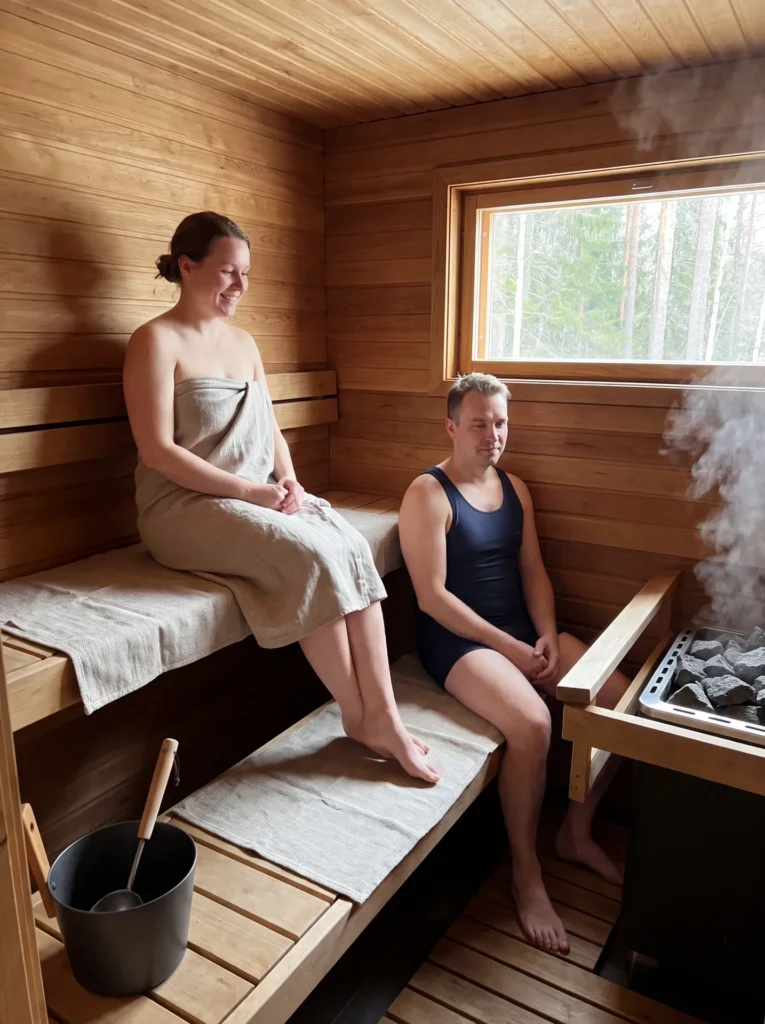
In Finland, nudity in saunas is normal and seen as a hygienic practice. If you’re in a public space or prefer modesty, wear a towel or lightweight swimsuit. Always sit on a towel or seat cover (called a pefletti) to keep the bench clean and dry. Choose what’s appropriate for your environment, and keep the focus on comfort and cleanliness.
7. Sauna Etiquette: Silence, Respect the Ritual
In Finland, the sauna is considered a sacred space, a place of peace, purification, and pause. Respecting this space means no loud talking, phone scrolling, or disruptive behavior. Many people use the time for meditation, reflection, or quiet socializing.
If you’re in a public sauna, notice how others behave and follow their lead. If someone is seated in quiet contemplation, don’t interrupt. Let the hiss of steam and the creak of wood be the loudest sounds. This respectful silence helps create a healing atmosphere for everyone.
8. Bench Height Matters: Choose Your Spot
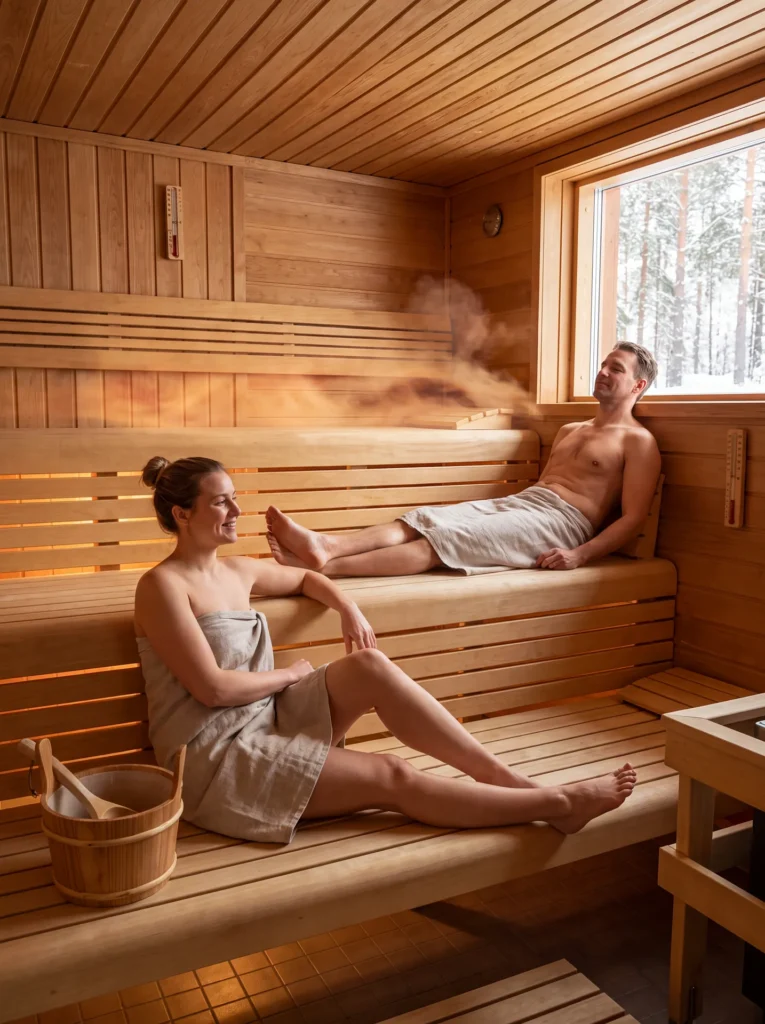
Most saunas have two or three levels of benches. Heat rises, so the upper benches are hotter, while lower ones stay cooler. Beginners should start on the lower or middle level and move higher only if they feel comfortable. You can even shift levels within the same session. This gives you control over how much heat you experience without needing to leave the room.
9. Try Birch Whisk “Vihta”: Gentle Massage
A birch whisk, or vihta, is often used in traditional Finnish saunas. It’s gently slapped or brushed on the skin to stimulate circulation and release a subtle, earthy scent. The birch leaves also have a cleansing effect on the skin. It might look strange at first, but it’s an old-school practice with real benefits, especially in outdoor or smoke saunas.
10. Take Cooling Breaks: Walk, Shower, Plunge
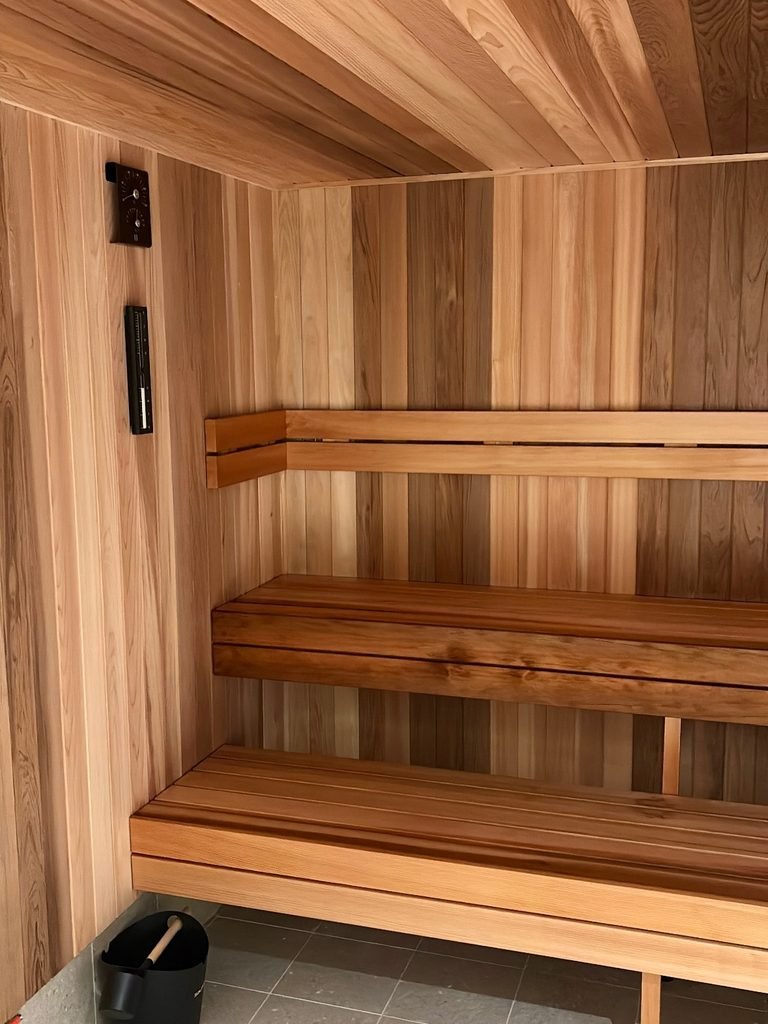
Your body works hard in a sauna. After about 10–15 minutes of heat, it’s time to cool down and allow your core temperature to return closer to normal. This isn’t just a formality, it’s part of the wellness cycle. Cooling down helps your body reset, boosts circulation, and gives your heart a break. In Finland, many step outside into snowy air or dive into a cold lake.
You don’t have to be that extreme-a lukewarm or cool shower will work just fine. Sit quietly, drink water, breathe deeply. This pause actually enhances the overall health benefits of the sauna.
Bonus: 4 Common Sauna Myths
Myth 1: You lose fat through sauna sweat.
➤ You’re mostly losing water weight. Sauna helps detox, not burn fat.

Myth 2: The hotter, the better.
➤ Too much heat can cause dizziness. Moderate heat is safer and more effective.

Myth 3: You shouldn’t drink water during a sauna.
➤ Actually, sipping water between rounds helps prevent dehydration.

Myth 4: Saunas are just for older people.
➤ People of all ages (12+) can benefit from sauna with proper use.
11. Build Up to Multiple Rounds Stay Safe
You don’t need to marathon your sauna session. One or two rounds is plenty for beginners. After you cool down and hydrate, you can return for another 10–15 minutes. But always listen to your body. If you feel dizzy, lightheaded, or tired, end your session early. Sauna is about slow, safe wellness—not pushing limits.
12. Replenish Electrolytes & Rest Afterward
A proper post-sauna ritual includes replenishment and stillness. Even if you’re not drenched in sweat, your body has lost minerals. Snack on potassium-rich bananas, sip on coconut water, or eat some watermelon.
You might also take a magnesium supplement (with food) to support your muscles and nervous system. After that, find a quiet place to lie down or recline for 15–20 minutes. Let your heart rate stabilize. Many spa-goers keep a thick blanket nearby for post-sauna coziness, letting the body’s internal warmth ease into full relaxation.
13. Consider Light Stretching or Skin Scrub
Before entering the sauna, try light dry brushing or using an exfoliating glove. This opens up your pores and allows for a deeper detox experience. Afterward, gentle stretching can help relieve tension and improve flexibility. Sauna heat naturally loosens muscles, making post-session stretching incredibly soothing.
14. Frequency: 2–4 Times a Week Is Ideal
Regular sauna use is linked to improved sleep, stress relief, skin clarity, and even reduced risk of dementia and heart disease. But more isn’t always better. For beginners, start with two sessions per week. If your body responds well and you love the results, move up to three or four. Athletes, for example, often do short daily sessions post-training.
Always monitor how your body feels. If you’re feeling overly fatigued or dehydrated, take a break. Sauna benefits are about building a long-term wellness rhythm but not overdoing it.
RELATED: 20 Toilet Paper Holder Ideas for Stylish Bathrooms
15. Post-Sauna Skin Care Tips
After a sauna, your skin is clean, your pores are open, and your blood flow is boosted, perfect timing for skincare. Start by rinsing with cool water. Then, gently pat dry and apply a lightweight, fragrance-free moisturizer or hydrating serum.
Avoid scrubs or harsh products immediately afterward. Your skin is more sensitive, so use calming ingredients like aloe, hyaluronic acid, or ceramides. If you’re going to bed soon, this is a great time to layer in your nighttime skincare routine for deeper absorption and glow.
16. Sauna After Workouts: Is It Safe?
Yes, but with timing. Saunas after exercise help relax muscles, reduce soreness, and improve circulation. But always hydrate first, and wait at least 10–15 minutes post-workout before entering the sauna. Your heart is already working hard, so jumping into intense heat right away could be a shock. Start with a short 8–10 minute session, followed by a cooling period and another round if needed. If you’ve done a heavy cardio workout, skip the sauna that day or opt for a lukewarm setting to avoid compounding stress on your cardiovascular system.
17. Best Time of Day for a Sauna Session

Morning saunas wake up the senses and gently boost circulation, helping you start the day with clarity. Evening saunas, on the other hand, can help you wind down, relax tense muscles, and prepare for deep sleep. If stress relief is your goal, evening sessions work well. If you want a gentle energy boost or post-gym muscle recovery, morning or early afternoon is ideal. There’s no universal best time, what fits your body rhythm and lifestyle.
The sauna isn’t just for sweating, it’s a place to quiet your mind. Focus on slow breathing. Inhale deeply, hold, and exhale gently. Let your thoughts pass like steam. Whether you’re meditating or simply being present, sauna time can double as a mindfulness ritual that grounds you in the moment.
FAQs
1. How long should a first-timer stay in a sauna?
8–10 minutes is ideal. As you get used to the heat, you can increase it to 12–15 minutes, but always listen to your body.
2. Can saunas improve heart health?
Yes. Regular sauna use can help improve blood circulation, reduce stress, and may lower the risk of heart-related conditions.
3. Is it safe to use a sauna during pregnancy?
It’s best to consult your doctor. Generally, pregnant people should avoid overheating and keep sessions brief and mild if approved.
4. What should I do if I feel dizzy in the sauna?
Exit immediately, hydrate, and rest. This is your body’s way of signaling it’s had enough. Lower the heat or shorten the session next time.
5. Should I wear clothes or go nude in a sauna?
In private or traditional settings, nudity is normal. In public or mixed saunas, a towel or swimsuit is typically required. Always sit on a towel for hygiene.
Final Thoughts
Sauna isn’t just heat it’s presence, peace, and healing. By following these beginner-friendly tips rooted in tradition and safety, you’ll create your own healthy, calming routine. Start slow, stay hydrated, and enjoy the process. Whether it’s once a week or part of your lifestyle, sauna time can become your most treasured wellness ritual.